

Marissa Mayer’s AI Assistant Sparks Debate Over Technology and Parenting

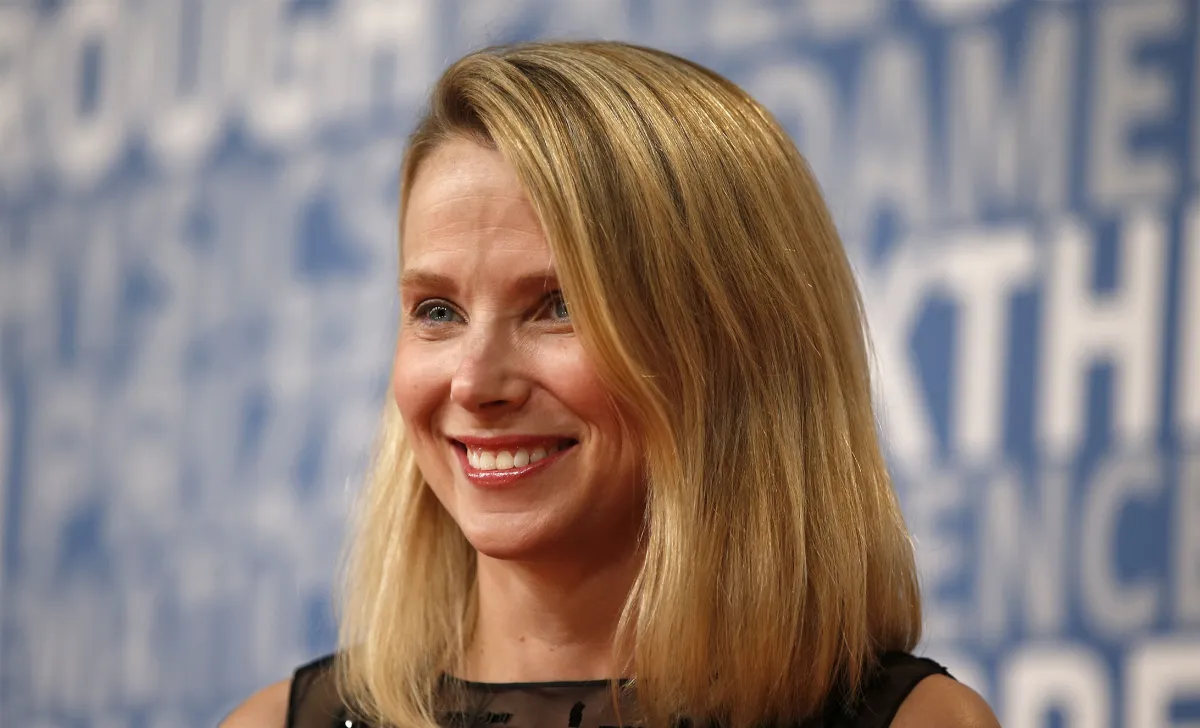
Marissa Mayer, former CEO of Yahoo and founder of the AI startup Dazzle, recently found herself at the centre of a public debate after revealing how she used her company’s AI assistant to help describe her daughter for a school presentation. Mayer explained that Dazzle, an AI tool designed to learn from users’ photo libraries, assisted her in summarising her daughter’s personality traits as “empathetic, creative, and an animal lover.” While Mayer viewed this as a demonstration of the technology’s memory recall and differentiation capabilities—especially between her twin daughters—many observers expressed discomfort with the idea of employing AI in such intimate aspects of parenting.
Dazzle is an AI assistant that analyses a user’s camera roll to understand their personal context and assist with everyday tasks such as event planning, shopping, and remembering important dates. According to official information from Dazzle, the app aims to offer highly personalised support by interpreting the photos people take, which reflect their interests, relationships, and daily activities. Mayer has described using the AI to coordinate family outings, organise birthday parties, and even align plans with her husband’s AI assistant, highlighting the app’s goal of reducing the mental load on parents by automating routine tasks.
However, the episode has sparked wider concerns about AI’s role in human relationships and parenting. Critics fear that an overreliance on AI for emotional or familial tasks risks diminishing the authentic, often messy interactions that form the foundation of human connection. This unease echoes previous remarks by other tech leaders. For example, OpenAI CEO Sam Altman proposed using ChatGPT Work to manage family calendars and generate daily podcasts about children’s interests and events. His suggestion attracted widespread criticism for seemingly outsourcing fundamental parenting duties to machines.
Public sentiment reflects these worries. A 2025 survey by Pew Research Center found that half of American adults believed AI would harm people’s ability to form meaningful relationships, while only 5% thought AI would improve them. Although many remain sceptical, some technology figures, including Meta CEO Mark Zuckerberg, envision a future where AI therapists or AI romantic partners become socially accepted, citing widespread loneliness and the human desire for connection.
In response to the backlash, Mayer clarified that her use of Dazzle was not an attempt to replace her parental role but rather a test of the product’s ability to distinguish between her twin daughters and retrieve relevant memories from her photo library. She emphasised that the AI surfaced forgotten kindergarten projects and other personal moments, which she then integrated with her own knowledge to create the presentation. Mayer stressed that her intention is to help parents reclaim time by handling small logistical tasks, not to interfere with the emotional bonds between parents and children.
As AI tools like Dazzle become increasingly integrated into everyday life, questions about their appropriate role in family dynamics grow more urgent. While technology can alleviate some burdens, many people want to preserve the unique and sometimes challenging experiences that come with direct human relationships. Mayer’s story highlights the delicate balance between leveraging AI for convenience and maintaining the essential human touch in parenting and personal connections.