

US Officials Urge Cubans to Cooperate with CIA Amid Rising Tensions

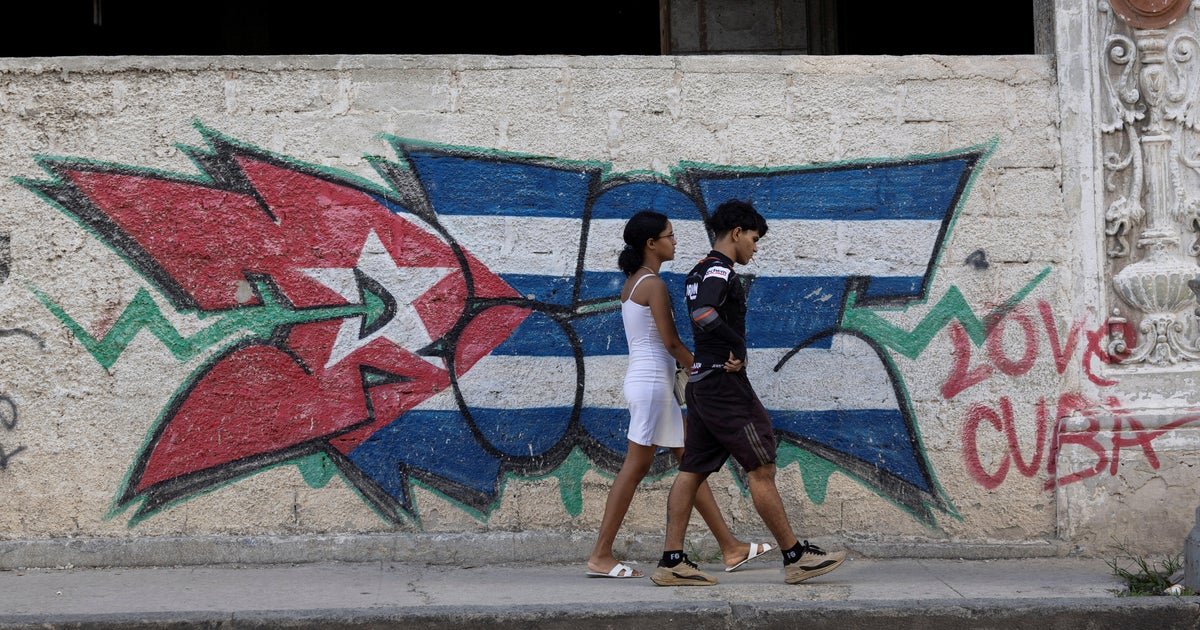
US Secretary of State Marco Rubio has publicly called on Cubans seeking political change to engage discreetly with the Central Intelligence Agency (CIA) as part of a broader effort by the Trump administration to pressure Cuba’s communist government. Rubio’s appeal, made on social media on October 23, 2026, urged those frustrated by corruption and inequality on the island to seize the moment and collaborate quietly with the US intelligence agency to foster reform.
Rubio’s statement followed remarks by President Donald Trump at a rally in Fort Myers, Florida, earlier that day, where Trump hinted at strong US action against Cuba. He said the United States would “take care of Cuba” after addressing tensions with Iran, adding that Rubio would be sent to “finish up the deal.” While these comments raised concerns about possible military intervention, no official announcement of military action or deployment has been made by the US government.
In recent months, the Trump administration has intensified economic, diplomatic, and legal pressure on Havana. A US-imposed oil blockade earlier this year has led to fuel shortages and widespread power blackouts, exacerbating hardships for ordinary Cubans. This blockade, combined with the longstanding US embargo that has lasted over six decades, has significantly strained the Cuban economy and daily life.
In response to Rubio’s public call for cooperation with the CIA, Cuban officials sharply rejected the move. Deputy Foreign Minister Carlos Fernandez de Cossio mocked the appeal as a desperate public recruitment effort by the CIA, describing it as insulting and indicative of agency desperation. Cuban Foreign Minister Bruno Rodriguez dismissed Trump’s threats, emphasizing Cuba’s readiness to defend its sovereignty and calling the island’s shores inhospitable to hostile forces.
Adding to the tension, the CIA reportedly released a video in Spanish instructing Cubans on how to safely contact the agency if they have information of interest. While multiple news outlets reported the video, it has not been independently verified through official US government channels. The video reportedly advised potential informants to visit a US embassy if possible and, if contacting online, to use secure networks and burner email accounts to maintain confidentiality.
The US-Cuba relationship is historically fraught, with the CIA’s involvement in Cuba dating back to the 1961 Bay of Pigs invasion, a failed attempt to overthrow Fidel Castro’s government. This history continues to influence how Havana and international observers view current US intelligence activities and appeals for cooperation.
Earlier this year, CIA Director John Ratcliffe held meetings in Havana with Cuban contacts, including Raul Castro’s grandson, to discuss possible cooperation and offered economic support contingent on Cuba making fundamental changes, such as severing ties with US adversaries like Russia, China, and Iran. However, these contacts have not resulted in formal negotiations or a reduction in tensions.
US intelligence agencies have been analyzing how Cuba might respond to any potential military action, though no definitive plans or authorizations for such action have been confirmed. The situation remains tense, with the US continuing to apply pressure through sanctions and diplomatic channels.
For Cubans on the ground, the mounting US pressure has deepened economic challenges and uncertainty. While the US government encourages some to take risks by cooperating with the CIA, Cuban authorities caution against such moves and reinforce their commitment to protecting national sovereignty.