

Tesla and Turo Launch Full Self-Driving Tesla Rentals in the US
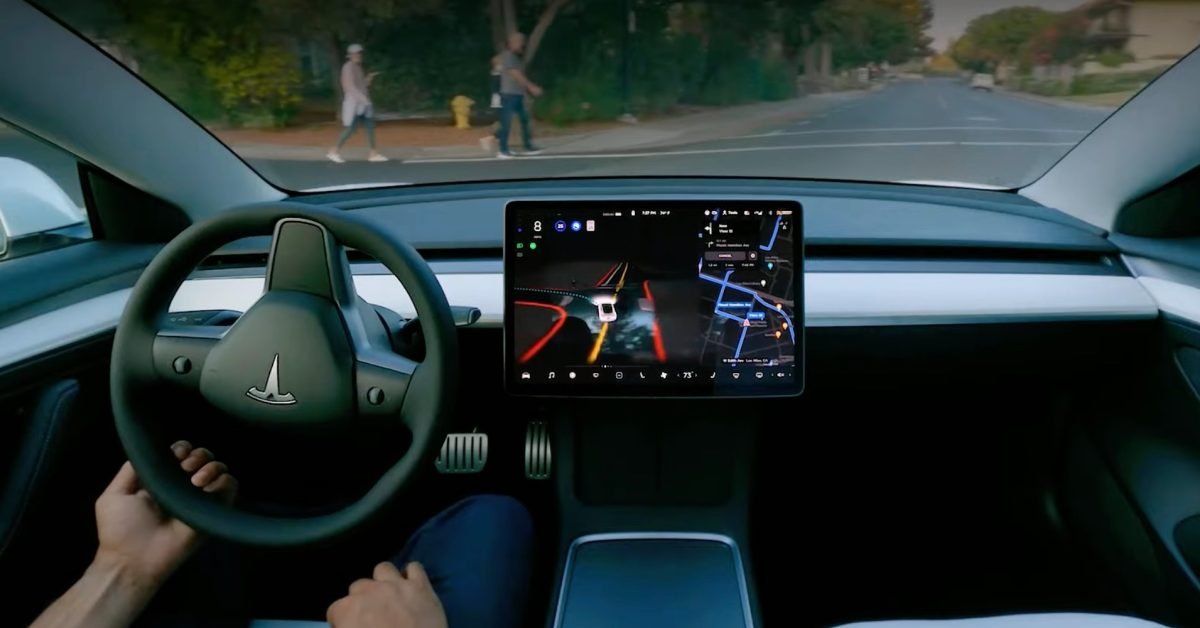
Starting October 28, US customers will be able to rent Tesla vehicles equipped with the automaker’s Full Self-Driving (FSD) technology through Turo, a popular peer-to-peer car-sharing platform. This new feature allows renters to specifically search for Teslas that have FSD (Supervised) activated, with the system’s status verified via a direct API integration between Turo and Tesla.
For Tesla owners who list their cars on Turo, this partnership offers an additional incentive: eligible hosts can receive a free one-month trial of Tesla’s FSD subscription, which normally costs $99 per month. This trial enables hosts to provide their vehicles with FSD enabled, potentially attracting more renters interested in experiencing the advanced driver-assistance system firsthand.
Turo’s integration automatically verifies the FSD status of a Tesla once the owner links their Tesla account to the platform. Thousands of FSD-enabled Tesla vehicles are reportedly already listed on Turo, with popular models such as the Model 3 and Model Y ranking third and fourth among the platform’s most rented cars this year.
While the term Full Self-Driving might suggest fully autonomous capabilities, Tesla’s official materials clarify that FSD (Supervised) is an advanced driver-assistance system that requires a fully attentive driver at all times. The technology assists with many driving tasks but does not replace the driver. Turo emphasises this point by providing renters with safety information and encouraging them to review Tesla’s official tutorials and guidelines before their trip.
Despite the name, FSD (Supervised) demands active human supervision, and drivers must be ready to take control immediately. Experts and safety advocates have expressed concerns about the potential for misunderstanding this technology, especially among renters who are unfamiliar with it. There is particular caution about how the “Full Self-Driving” branding might lead some users to over-rely on the system, which could pose safety risks.
Additionally, neither Turo nor Tesla has publicly detailed how liability or insurance coverage will be managed if an incident occurs while a renter uses FSD on a Turo rental. This remains an open question for both hosts and renters considering the technology.
Tesla has been aggressively expanding its FSD subscription base. According to Tesla’s Q3 2026 operational summary, there were 1.74 million active FSD subscriptions, up from 1.48 million in the previous quarter and 1.04 million in the same quarter last year. The company’s leadership has highlighted subscription growth as a key business focus, with partnerships like the one with Turo serving to expose more people to FSD who do not own a Tesla.
Turo’s chief executive Andre Haddad described the collaboration as an “industry-first integration” with Tesla, enabling travelers to experience driver-assistance technology in a way previously unavailable through traditional rental companies. Turo’s research indicates strong consumer interest, with 55% of Americans expressing curiosity about driverless technology for travel, rising to 71% among Gen Z.
This new rental option represents a novel way for people to test Tesla’s FSD technology without purchasing a vehicle, potentially influencing future car rental trends and the adoption of self-driving features. However, users should remain aware that despite the name, Tesla’s Full Self-Driving is currently a supervised system that requires constant human attention and responsibility.