

Googlebook Launches: Five Premium Android-Powered Laptops Integrate Deeply with Phones

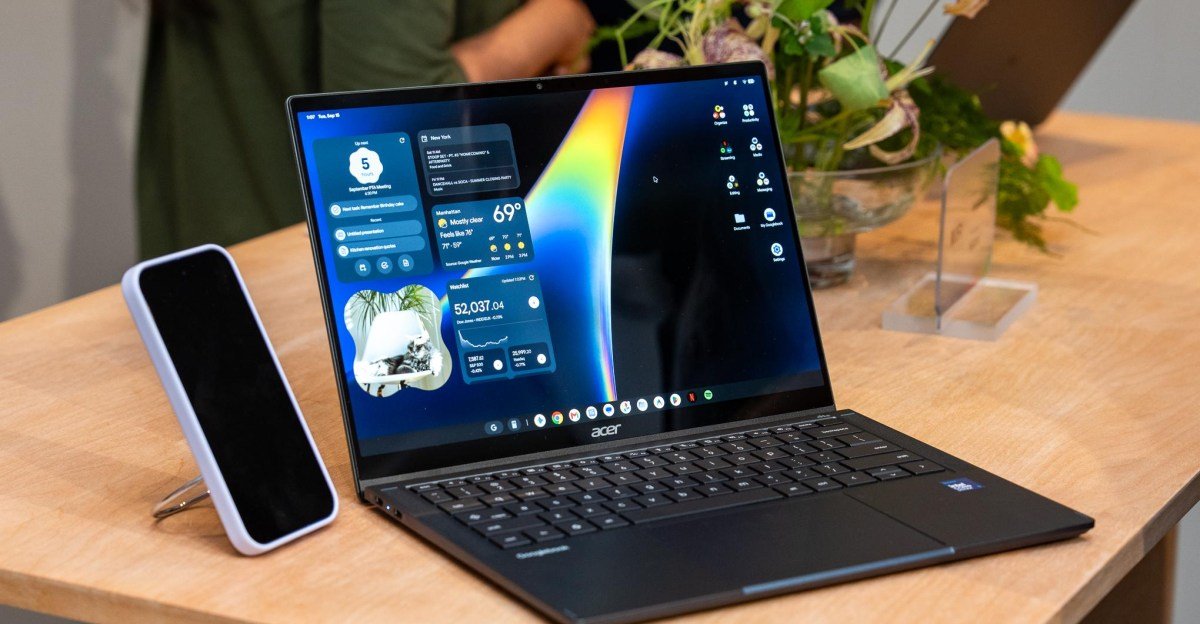
Google unveils its new Googlebook platform with five flagship laptops from top manufacturers, blending Android and ChromeOS features with Gemini AI for a seamless mobile-to-laptop experience
Google has officially launched Googlebook, a new category of premium laptops designed to integrate tightly with Android phones and powered by the company’s Gemini artificial intelligence system. The announcement on 21 September 2026 revealed five models from Acer, ASUS, Dell, HP, and Lenovo, with prices starting at $899 and retail availability in the United States beginning 4 October 2026.
What is Googlebook?
Googlebook represents a fresh approach to laptop computing, combining the Android technology stack with ChromeOS capabilities and Gemini AI intelligence. The operating system, Googlebook OS, supports both x86 and Arm architectures, allowing it to run on Intel Core Ultra Series 3 processors as well as Qualcomm Snapdragon X Elite chips. This hybrid OS offers a desktop interface that runs Android applications natively, alongside a full Chrome browser, Linux support, and a proper file manager.
Unlike traditional Chromebooks, Googlebooks are designed to feel like a natural extension of an Android phone. Google emphasises seamless continuity features that allow users to move effortlessly between their phone and laptop.
Five Flagship Models with Premium Hardware
The initial Googlebook lineup includes:
- Acer Googlebook 14: A convertible laptop with a 14-inch 2.8K OLED touchscreen, Intel Core Ultra 5 or 7 processors, 16GB RAM, starting at $899.
- ASUS Googlebook 14: Lightweight at approximately 1kg, featuring a 14-inch 2.8K OLED display, Intel Core Ultra processors, 16-32GB RAM, starting at $1,299.
- Dell XPS Googlebook: A 13.4-inch 2.5K display model powered by Snapdragon X Elite, with 16-32GB RAM, starting price reported between $999 and $1,199.
- HP Googlebook 14: A 14-inch 2.8K OLED touchscreen with Snapdragon X Elite, 16-32GB RAM, starting at $1,299.
- Lenovo Googlebook 15: A larger 15.3-inch 2.8K OLED display, Intel Core Ultra 5 processor, 16GB RAM, starting at $1,299.
All models feature premium materials such as aluminium, magnesium alloy, or carbon fibre, backlit keyboards, touchscreens, and biometric authentication options including fingerprint sensors and facial recognition. The Acer model is the only convertible, while the ASUS is the lightest and Lenovo the largest, catering to different user needs.
Innovative Features: Glowbar and Deep Android Integration
One distinctive hardware feature is the Glowbar, a light strip on the laptop lid that animates during boot, displays battery status, and interacts with Gemini AI. Google is opening Glowbar to developers for custom animations, adding a playful yet functional element to the devices.
Googlebook OS offers several continuity features for Android users:
- Quick Access: Allows browsing, searching, and inserting files stored on a paired Android phone directly from the laptop’s file manager without manual transfers.
- Continue On: Displays currently active phone apps in the laptop’s taskbar, enabling users to pick up tasks seamlessly on the laptop. Depending on developer support, handoffs can transition to native or web apps.
- Cast My Apps: Lets users stream and interact with individual phone apps on the laptop, using keyboard, mouse, or touchscreen controls, without needing to touch the phone.
Gemini AI Integration
Gemini AI is deeply embedded in Googlebook OS. The Magic Pointer feature activates Gemini contextual assistance when the user wiggles the cursor, offering suggestions based on on-screen content. For example, Gemini can help schedule calendar events from emails or verify the legitimacy of messages.
Additional AI-powered tools include:
- Create My Widget: Users can generate custom desktop widgets by describing their needs in natural language, pulling data from Google services like Gmail and Calendar.
- Rambler: A speech transcription tool that organizes spoken notes with headings and action items, supporting multiple languages in one conversation.
Software and App Ecosystem
Googlebook OS supports millions of Android apps via the Play Store, with a curated section highlighting apps optimised for large screens and desktop use. Popular desktop-optimised apps include Adobe Photoshop, Lightroom, CapCut, Netflix, and HBO Max. Linux support is also included, providing a full terminal environment and AI development tools such as Antigravity CLI.
Gaming is supported through Android’s extensive mobile game library and Nvidia’s GeForce Now cloud gaming service, which is free for the first year with purchase.
Pricing, Availability, and Support
Pre-orders for Googlebooks opened on 21 September 2026 via the Google Store, Best Buy, and select retailers. The first devices will be available in the U.S. on 4 October, followed by Canada, the UK, Ireland, France, Germany, and Australia on 5 October.
Prices start at $899 for the Acer Googlebook 14, with other models ranging up to $1,299. Each purchase includes 12 months of Google AI Pro with 5TB of cloud storage, Gemini Advanced tools, three months of YouTube Premium, and Adobe Photoshop.
Google promises up to 10 years of OS updates and feature drops for Googlebook laptops, continuing its commitment to long-term software support.
Industry and User Implications
Googlebook marks a significant evolution from Chromebooks, targeting Android users who seek a laptop experience tightly integrated with their phones. The platform aims to blur the lines between mobile and desktop computing, leveraging AI to enhance productivity and user convenience.
While Chromebooks remain focused on education and budget markets, Googlebooks position themselves as premium devices with advanced AI capabilities and hardware. However, some questions remain about developer adoption of desktop-optimised Android apps, the balance of local versus cloud AI processing, and how Google will manage the coexistence of Chromebooks and Googlebooks long term.
Early hands-on reports praise the polished hardware and compelling phone-to-laptop integration but note that Google has not distributed review units ahead of launch, leaving real-world performance and software maturity to be fully assessed post-release.
Conclusion
Googlebook introduces a new paradigm for laptops, combining premium hardware, Android ecosystem integration, and AI-powered productivity tools. For Android phone users, it promises a more unified and intelligent computing experience. The success of Googlebook will depend on software optimisation, developer support, and user adoption as the devices become available worldwide in early October.