

BBC Reporter Goes to Yemen’s Front Line as War Escalates Near Taiz

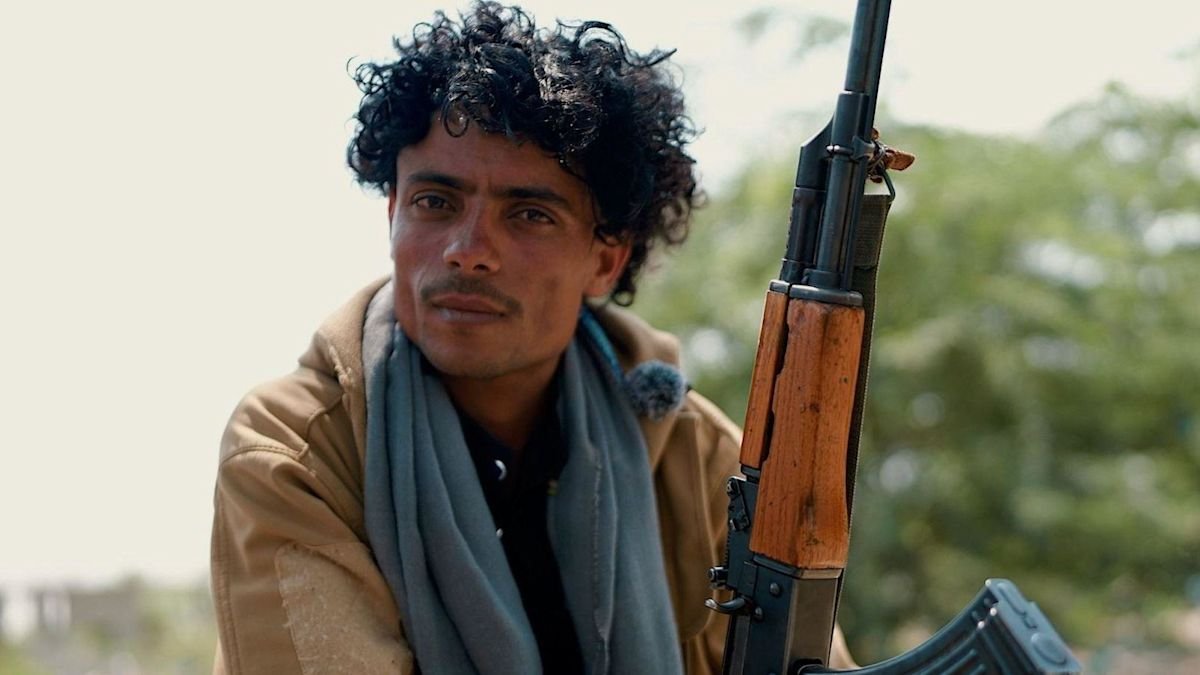
The war in Yemen is heating up again, with fierce fighting near the city of Taiz. The BBC got rare access to this dangerous frontline, travelling with pro-government soldiers as they faced off against Houthi fighters.
Earlier this month, the Houthis captured the key port of Mokha on the Red Sea coast. This move gave them control over important shipping routes near the Bab al-Mandab Strait, a vital passage for global trade between Europe and Asia. The fighting has since spread, making Taiz a major battleground.
Taiz is a divided city. Government forces hold the centre, while Houthi fighters control areas to the north and east. The latest clashes have focused on the western outskirts, where both sides fight for control of hills that overlook the city’s southern routes. If the Houthis secure these heights, government forces could struggle to retake Mokha.
The BBC’s report showed the harsh realities for people living close to the fighting. Many homes stand empty as families flee the shelling and drone attacks. Some residents, like a man named Ali, stay behind to care for their livestock despite the danger. Hospitals are overwhelmed, treating both soldiers and civilians injured in the conflict. One child was badly hurt by mortar shrapnel while herding goats.
The conflict is displacing thousands. UN agencies estimate that over 130,000 people have fled their homes in September alone, with many living in makeshift camps. The fighting has also drawn in regional powers. Saudi Arabia supports the Yemeni government with weapons and air strikes, while the Houthis receive backing from Iran, according to several international sources—though Iran denies supplying weapons.
At the front, soldiers describe facing child fighters among the Houthis and the constant threat of drone attacks. Both sides are preparing for further offensives, but the situation remains uncertain. The war is not only a local crisis but one that affects key trade routes and regional stability.