

IEC Introduces New Rules to Fight Election Misinformation

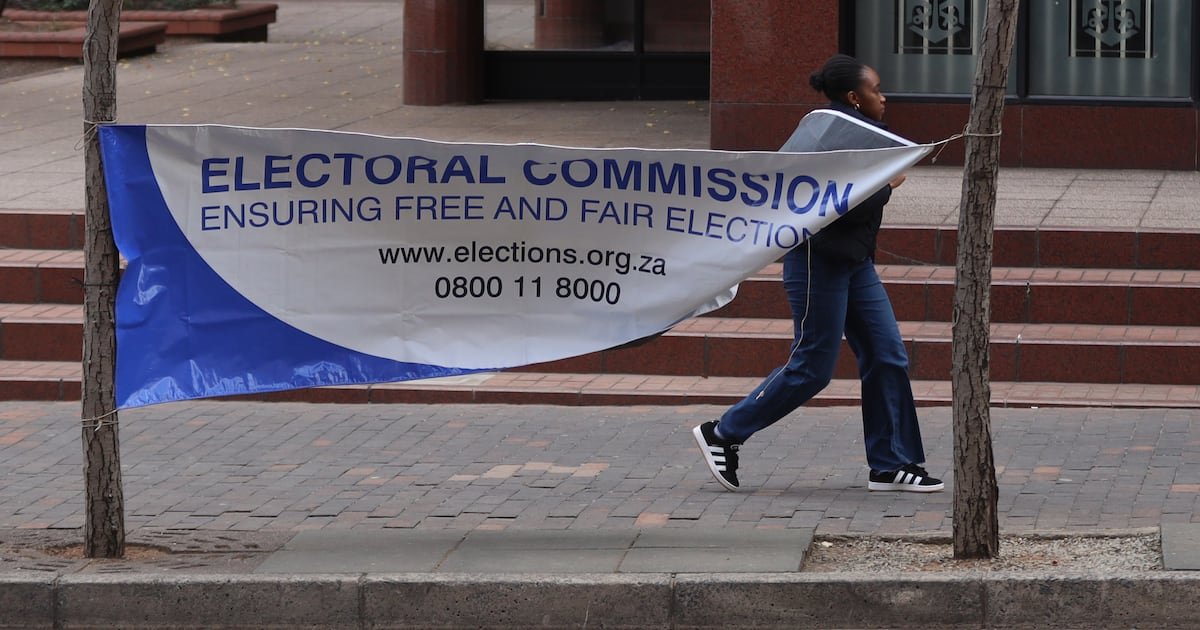
South Africa’s Independent Electoral Commission (IEC) has introduced new rules to tackle misinformation ahead of the local government elections on 4 November 2026. These rules are part of a new Electoral Code of Conduct focused on countering disinformation during the election period.
The code, which came into effect on 4 September 2026, sets clear responsibilities for political parties, candidates, and those acting on their behalf. They must check that any information they share about the elections is accurate. If false or misleading information is shared, they have 36 hours to publicly correct it and, if needed, to censure those responsible.
One key part of the code deals with the rise of artificial intelligence (AI) in political campaigning. If AI is used to create campaign material or adverts, this content must be clearly labelled so voters know it is synthetic. Political advertising also needs to clearly show which party or candidate is behind it.
The code bans deceptive practices such as fake social media accounts, bot networks, doxing, cyberbullying, and the use of stolen or manipulated content. Parties are expected to monitor their online platforms closely and act quickly to correct any misinformation.
The IEC has named Real411 as the official platform for reporting election-related disinformation. Anyone—from ordinary voters to political actors—can report suspicious content through this service. The IEC then reviews these reports and may take action if the code has been broken.
Political parties and independent candidates publicly committed to these rules during a signing ceremony held on 23 September 2026 at the Gallagher Convention Centre in Johannesburg. IEC Chairperson Mosotho Moepya stressed that all parties have a legal duty to verify information and help protect the fairness of the elections.
The new code also protects lawful speech, including criticism, opinion, satire, and debate, so long as it does not cross into disinformation. It specifically prohibits false information aimed at the IEC or its staff, requiring prompt correction if such content appears.
These measures come amid concerns about the fast spread of false information online and the potential harm it can cause to democratic processes. The IEC aims to ensure that voters receive trustworthy information and that elections are free, fair, and peaceful.
Join the conversation

Dear Sir/Madam
Submit pressorb.com in Google's Search Index so it can be visible in Google search results!
Include pressorb.com today: domainsubmit.live
Greetings
Feature pressorb.com in Google's Search Index to appear in Google search results!
Feature pressorb.com now: siteindex.live