

Israel and US Elections in 2022: Impact on Global Politics and Security

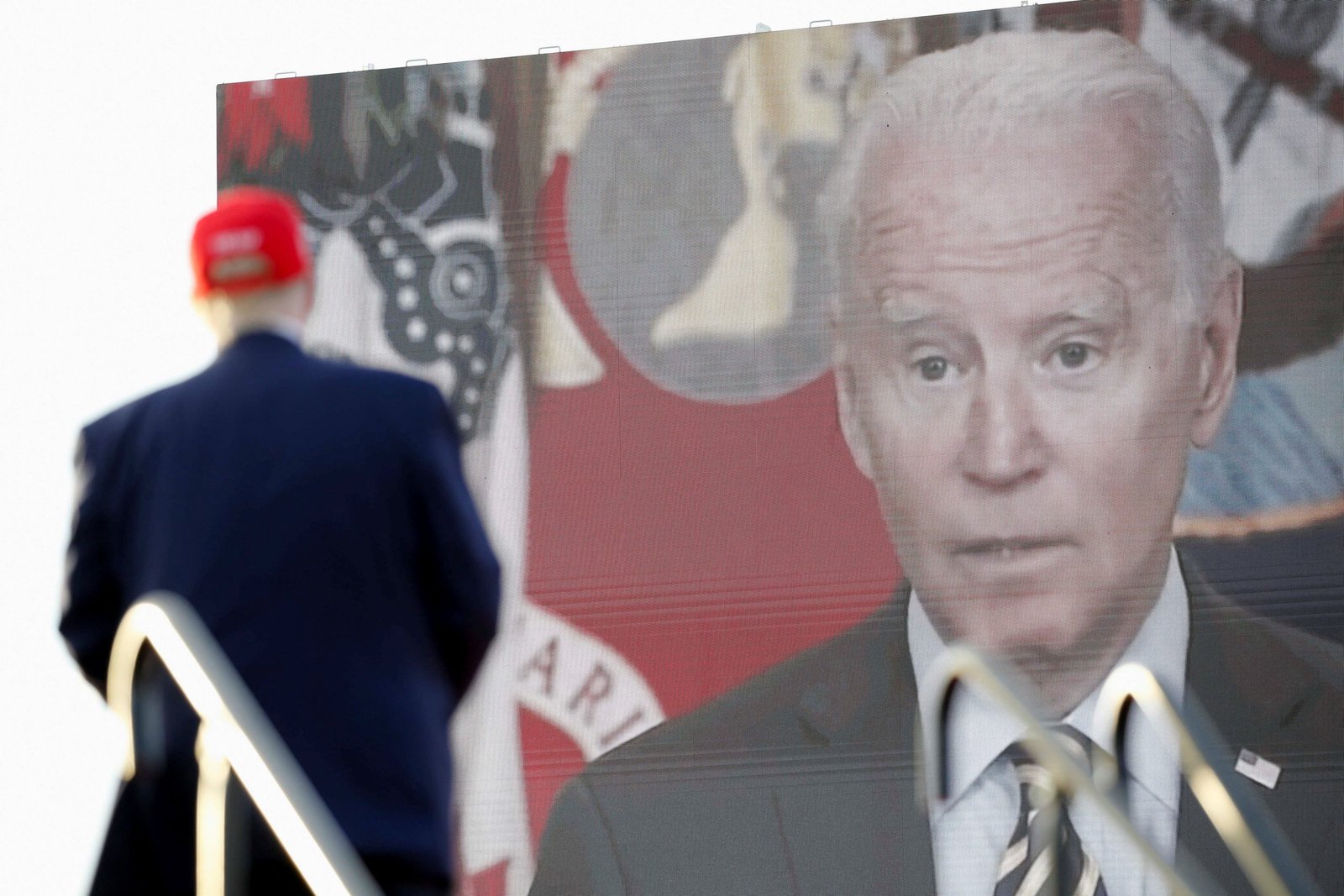
In November 2022, Israel and the United States held closely timed elections with significant implications for their domestic politics and international relations. Israel’s parliamentary election on November 1 marked the country’s fifth election in under four years, reflecting persistent political deadlock. Meanwhile, the US midterm congressional elections on November 8 reshaped the balance of power in Washington, influencing legislative dynamics but not the presidency.
Israelis voted to fill all 120 seats of the Knesset, their national legislature. The Likud party, led by Benjamin Netanyahu, won 32 seats. The opposition Yesh Atid party secured 24 seats, while the Religious Zionist alliance, a right-wing bloc, gained 14 seats. Netanyahu’s coalition, including right-wing and religious parties, reached a narrow majority of 64 seats. This result positioned Netanyahu to return as prime minister, contingent on forming a coalition with parties further to his right, including figures such as Itamar Ben-Gvir and Bezalel Smotrich, whose influence raised concerns in the United States and among liberal Jewish communities.
Following the Israeli election, coalition negotiations were expected to be complex, given the ideological shifts and the presence of far-right elements. Israeli President Isaac Herzog and US officials urged caution, emphasizing that the US-Israel bilateral relationship would endure regardless of the coalition outcome, though Washington remained attentive to developments in Israeli policies, particularly on Palestinian rights and settlement expansion.
One week later, the US held its midterm elections, which determined the composition of Congress but not the presidency. The Republicans gained a slim majority in the House of Representatives, while the Democrats retained control of the Senate. This divided Congress is likely to result in legislative gridlock, limiting President Joe Biden’s ability to advance his domestic agenda. However, analysts from the Institute for National Security Studies (INSS) noted that this outcome was unlikely to alter core US foreign policy, including its support for Israel.
The timing of the elections was notable, as millions of voters in both countries cast ballots within days of each other. An estimated half a million Israeli-Americans hold dual citizenship and can vote in both elections, potentially influencing close races in the US. This unique demographic underscores the interconnectedness of the two countries’ political landscapes.
Security concerns, especially regarding Iran, dominated the political discourse. Earlier in 2022, Israel and the US engaged in covert operations targeting Iran’s nuclear and military infrastructure. During the Israeli campaign, Netanyahu highlighted the threat posed by Iran, advocating for a strong security stance. US officials, while maintaining close cooperation with Israel on security matters, expressed concerns about escalating violence and the implications of a far-right Israeli government on bilateral relations.
Economic issues also influenced voter sentiment in both countries. In the US, inflation and rising energy prices—partly linked to tensions in the Gulf and the war in Ukraine—were central concerns. In Israel, increased defence spending amid ongoing regional conflicts added pressure on public finances, while citizens worried about wages and affordability.
Despite some fractures in US political support for Israel, particularly among progressive Democrats advocating for reduced military aid, the Biden administration reaffirmed its commitment to Israel’s security. Officials stressed that the relationship would be assessed based on the actions of the Israeli government rather than its rhetoric, highlighting the importance of Israel maintaining bipartisan support in Washington.
Overall, these elections represent critical junctures for both nations. Israel faces the challenge of navigating coalition politics with a right-leaning government, while the US must manage a divided Congress amid global uncertainties. The outcomes will influence US-Israel relations, Middle East stability, and broader geopolitical and economic trends, underscoring the global significance of these electoral processes.