

Noodle Gallery: An Enhanced Fork of Immich for Family Photo Sharing and Management

Noodle Gallery emerges as a notable open-source, self-hosted photo and video management platform built upon Immich’s foundation. Rather than being an independent codebase, it is a friendly fork that extends Immich’s capabilities, focusing particularly on collaborative family photo sharing and enhanced organisational features.
Workaround Helps Mac Users Temporarily Free Storage by Blocking AI Model Downloads in macOS 27 Bambu Lab P2S Combo 3D Printer Offers Advanced Features with Practical Considerations Apple launches iPhone 18 Pro with upgraded camera Google’s Robby Stein to Share Insights on Scaling Product Decisions at TechCrunch Disrupt 2026 Googlebook Launches: Five Premium Android-Powered Laptops Integrate Deeply with Phones
Designed to run on users’ own servers, Noodle Gallery offers a seamless migration path for existing Immich users. Switching involves updating container images and a version tag, with no data migration steps required. Importantly, users are advised to back up their databases beforehand. The project also provides a switch-back script that cleans up fork-specific database elements, allowing a return to Immich without moving photos or videos.
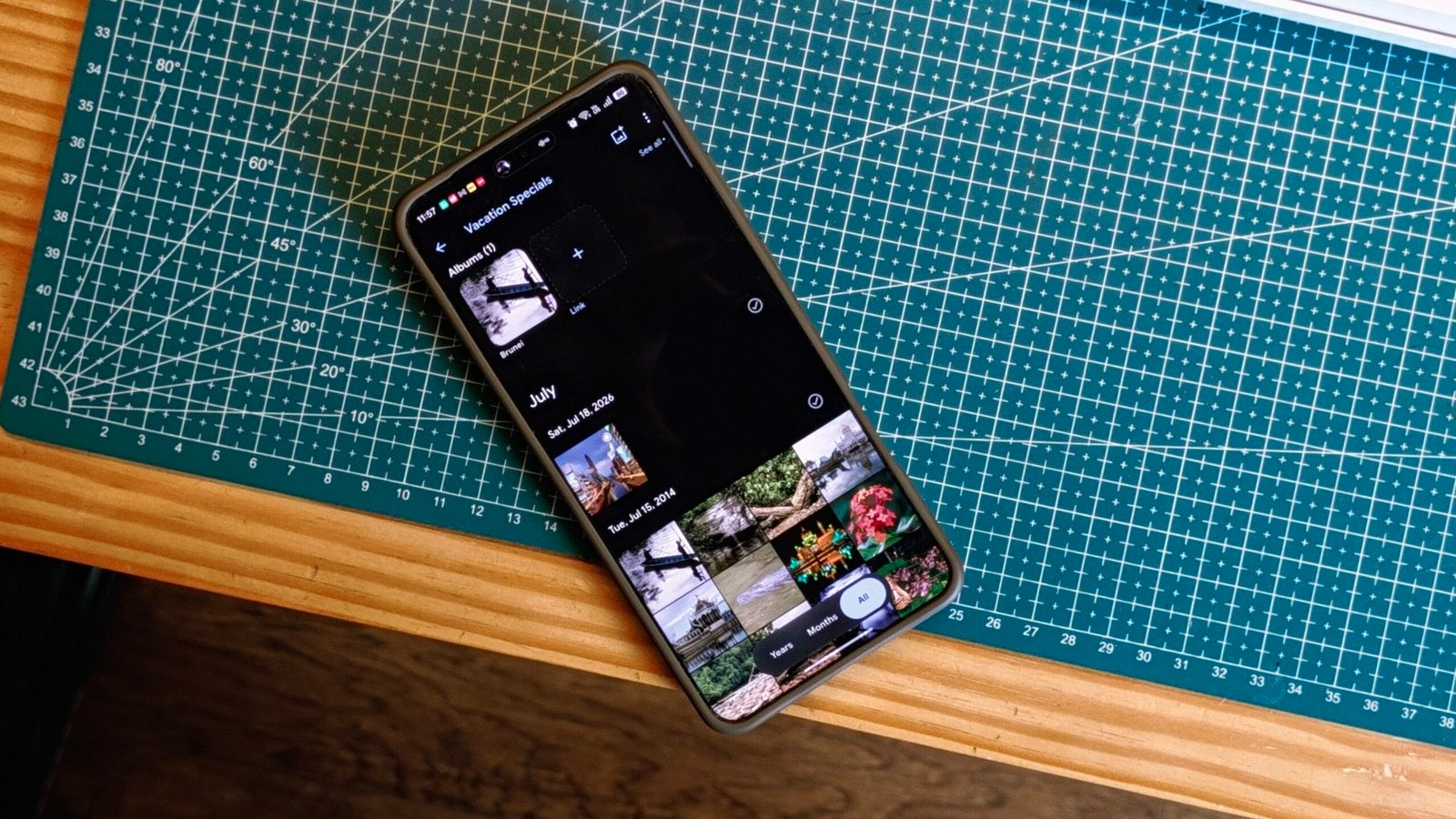
A key innovation in Noodle Gallery is its Shared Spaces feature. Unlike Immich’s partner sharing and albums—which are limited to either all-or-nothing sharing or single-user ownership—Shared Spaces enable multiple contributors to collaboratively build event-based timelines. For occasions like trips, weddings, or family gatherings, this creates a unified timeline where everyone’s photos coexist without compromising individual library control. Shared Spaces also support role-based access, activity logs, and nested album folders, facilitating easier navigation and management.
Beyond collaboration, Noodle Gallery enhances discovery and search. It introduces cross-library facial recognition called Global People, allowing consistent identification of individuals across personal and shared timelines. This contrasts with Immich’s account-scoped face recognition, which treats the same person as separate entries per account. The platform’s search supports natural-language queries and contextual filters that interdependently narrow results by people, places, dates, tags, and more. It also adds pet detection, a Memories archive with richer recaps, and AI-powered auto-classification to tag and archive clutter such as screenshots and receipts.
For media management, Noodle Gallery supports S3-compatible storage backends, enabling scalable external storage options. It also offers a guided Google Photos import wizard that reads Takeout archives directly in the browser, preserving metadata and album structures. Video trimming is lossless and near-instant, using stream copy technology, and duplicate detection extends to videos, including those re-encoded or resized.
Mobile support includes native iOS and Android apps distributed through official stores. These clients provide background camera backup, on-device AI-powered search, map views, and Shared Spaces access, all communicating directly with the user’s self-hosted server.
While Noodle Gallery is praised for addressing notable gaps in Immich and Google Photos, it is still considered young and evolving. Its development heavily involves AI-assisted coding, which has raised caution among some users. Additionally, claims about the safety of switching between Immich and Noodle Gallery, as well as the completeness of Google Photos import, rely on project assurances without independent audits.
Overall, Noodle Gallery offers a compelling upgrade for users who manage shared photo libraries, particularly families, by combining Immich’s solid base with thoughtful features that simplify collaboration, search, and organisation in a private, self-hosted environment.