

Sony Revives WH-1000XM4 Headphones with WH-1000XM4C Featuring Replaceable Battery

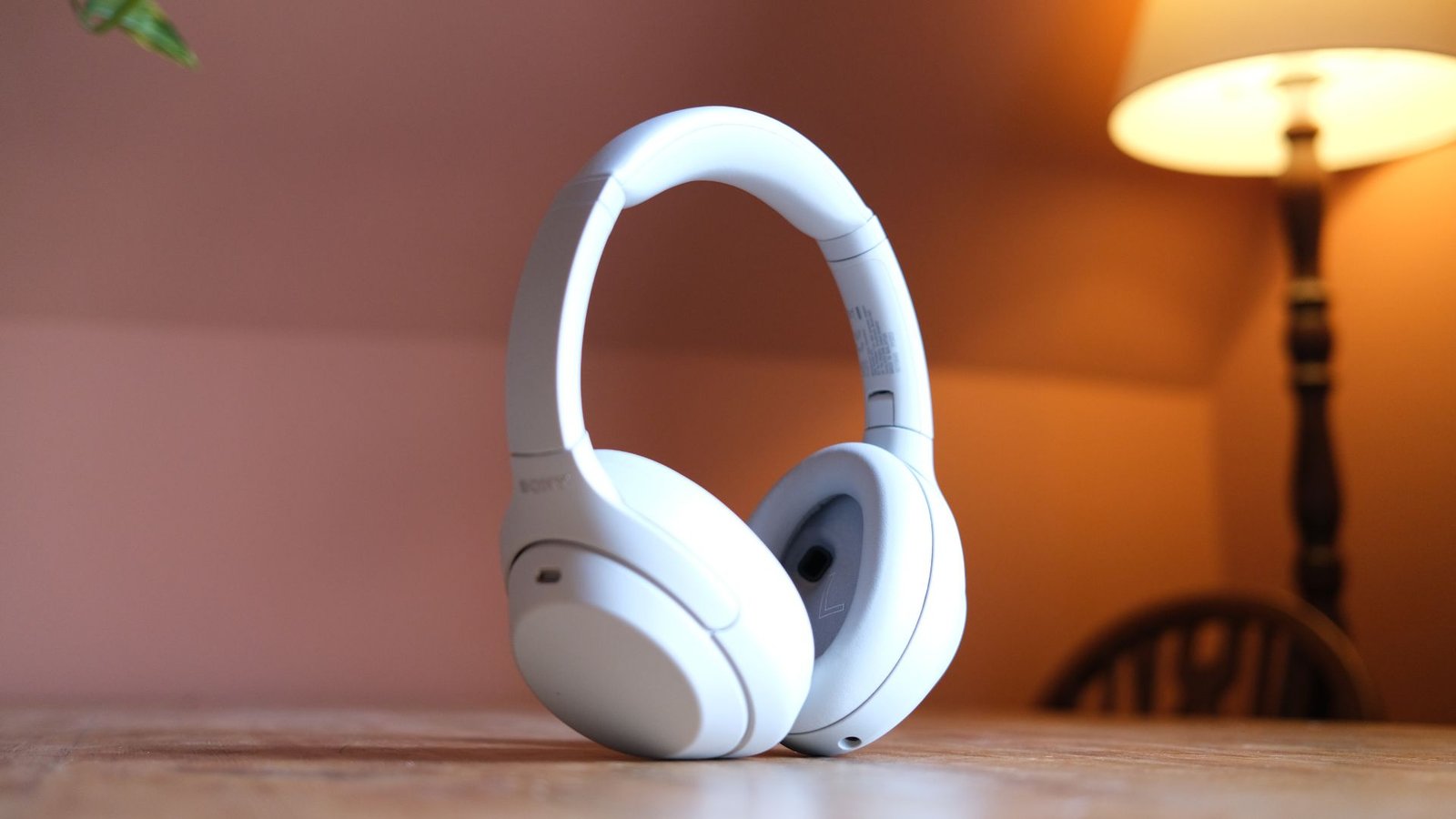
Sony has reintroduced a refreshed version of its widely acclaimed WH-1000XM4 headphones, launching the WH-1000XM4C in September 2026. The original WH-1000XM4, released in 2020, became a best-seller with over 10 million units sold worldwide, renowned for its premium sound, effective noise cancellation, and comfortable design. The new XM4C model retains much of the original’s design and core features, but introduces a user-replaceable battery to comply with evolving European Union regulations.
The WH-1000XM4C closely mirrors the 2020 model in appearance and functionality. It maintains the same folding mechanism, soft ear cups, and button layout, including a 3.5mm headphone jack and USB-C charging port. Available in Black, Platinum Silver, and Lavender, the headphones weigh approximately 253 grams and continue to offer a compact and travel-friendly profile, complete with a hard-shell carry case.
One of the most significant changes is the introduction of a removable battery, a departure from the sealed battery design of the original XM4. This adjustment aligns with the EU’s Regulation (EU) 2023/1542, which mandates user-replaceable batteries for portable electronics starting February 2027. Although Sony’s official announcement did not explicitly mention this feature, multiple independent reviews have confirmed it as a central update. However, the replacement battery is smaller than before, resulting in a slight reduction in battery life — from about 30 hours with active noise cancellation (ANC) on in the original model, down to roughly 27 hours on the XM4C.
The XM4C continues to use Sony’s HD Noise Cancelling Processor QN1, the same chip powering the original XM4, delivering solid ANC performance that effectively suppresses ambient sounds such as engine noise and chatter. While still effective, the noise cancellation is no longer considered class-leading compared to newer Sony models like the WH-1000XM6, which employs a more advanced processor and additional microphones for improved isolation. Call quality on the XM4C is clear and reliable, though not at the top tier of the market.
Sound quality remains a highlight, with the XM4C preserving the musical and dynamic audio signature that made the original a favourite. The 40mm drivers deliver balanced bass that supports the midrange and treble without overpowering them. Sony has updated the sound tuning modestly to reflect contemporary listening preferences and enhanced the equaliser in its companion app from five to 10 bands, allowing users finer control over the audio profile.
Comfort is consistent with the original model’s reputation for long-wearing suitability, featuring plush ear pads and a lightweight build. The headphones retain capacitive touch controls for playback and volume management, as well as quick toggles for ANC and ambient sound modes. However, some users may prefer physical buttons, as touch controls can occasionally be less intuitive.
Pricing for the WH-1000XM4C positions it within Sony’s mid-range headphone lineup, below the flagship WH-1000XM6 and the premium 1000X The Collexion series. The headphones are priced at approximately £219 in the UK, €279 in Europe, and $299.99 in the United States. Notably, the availability of replacement batteries and official instructions for battery replacement outside Europe remain unclear, with no confirmed plans for North American markets, potentially limiting the practical benefits of the removable battery feature for some consumers.
Overall, the WH-1000XM4C offers a compelling option for users seeking the trusted design and sound quality of the original WH-1000XM4, combined with the environmental and practical advantages of a replaceable battery. While it does not introduce groundbreaking new technology, it delivers reliable performance, solid ANC, and comfortable wear at a competitive price point, reaffirming Sony’s enduring presence in the premium wireless headphone market.