

People Are Pissed Off and Ready to Own Their Shit

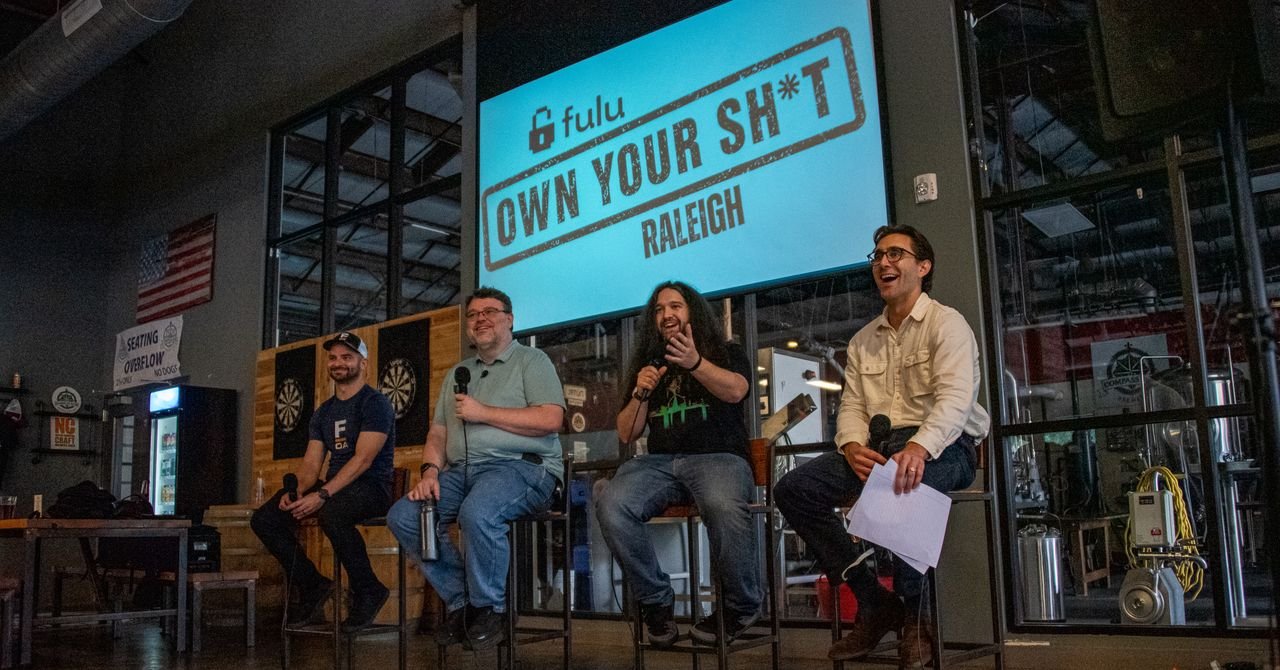
People Are Pissed Off and Ready to Own Their Shit. Rossmann is a preacher at the pulpit of people pissed off by subscription services, the steady decline of physical media, and the inability to fix their stuff.
What happened
The Own Your Shit tour comes as people grow increasingly angry with companies like Sony ending physical disc support and deleting digital items in customers’ libraries. (Google has recently done something similar and deleted a user’s copy of The Lord of the Rings. ) Amazon just ended support for its perfectly fine older Kindles. A grassroots live tour by YouTuber Louis Rossmann highlights growing resistance to companies that keep people from controlling their devices. This has happened several times already at the event he’s hosting on a Friday night in San Jose, California.
This is the penultimate stop of the Own Your Shit tour, a US-wide odyssey of events this summer put on by ownership advocate and YouTuber Louis Rossmann and his advocacy nonprofit Fulu. Around 80 people have crammed into the narrow side porch of a brewery. Rossmann, along with fellow advocate Kevin O’Reilly, started Fulu to pay out bounties for people who can disable digital locks on a device, even if there are legal consequences. “How many people here enjoy it when they get threats of lawsuits? ” Rossmann asks during the San Jose event.
The wider picture
“I enjoy when people try to sue me,” Rossmann says. He calls out companies like Amazon, which removed books from people’s Kindles, and home pipe leak detector company Roost, which discontinued stand-alone Wi-Fi products to the dismay of its users. People cheer and call out their own ownership issues. People feel squeezed by economic pressures as devices get more expensive and want to hang onto their devices longer. “New technology should not just help out people in the boardroom or in the C-suite,” Chopra says.
“It's actually supposed to help all of us, but we are seeing how it can sometimes be designed to scam people, to rip people off, or sometimes create some real harm for them. People who are just trying to get by really feel totally hosed by some of these practices. ”Chopra says his goal in coming to this event was to help spread the word about the new agency and encourage people to reach out to their representatives about unfair consumer practices.
He says he was initially worried that people were coming for the free pizza but was pleasantly surprised at how engaged and passionate the audiences have been.
What has been reported
Molly HigginsThe EU Wants to Break Up Kids and Their ChatbotsChatGPT, Character. ai, and Snapchat’s My AI will all be in the crosshairs as the AI Kids Act aims to strip minor-facing chatbots of all the things that make people love them. Skip to main contentSave this storySave this storyThe train blasts through right as Louis Rossmann starts to speak. All the speakers before him patiently paused when the train on the nearby tracks roared by, its loud horn blaring, then resumed talking.
But Rossmann is mid-sentence in his rapid-fire delivery about the topic he’s fiercely passionate about, and he doesn’t stop. The final event will be in Silver Springs, Maryland, on October 1. Before Rossmann spoke, panels featured an advocate from the Electronic Frontier Foundation, students from San Jose State University’s Fixit workshop, and a leader of the Fisker Owners Association, a group of vehicle owners who refuse to let their cars die. The main call to action is to kill a very specific piece of legislation: Section 1201 of the Digital Millennium Copyright Act.
Enacted in 1998, this section of the DMCA prohibits bypassing digital restrictions and locks enabled by a product manufacturer.
What happens next
Ostensibly, the legislation was meant to ensure device security. Ownership and repair advocates have long criticized it for helping companies put software locks on devices and then charge owners for access to their own hardware. “Raise your hand. ” Maybe four or five hands go up, including a grinning Rohit Chopra, the former director of the federal Consumer Financial Protection Bureau. “When they send me threats, I literally frame them. ”His presentation bounces through his various ownership- and repair-oriented fights.
He criticized Apple, Sony, wheelchair companies, and BMW, which recently ran ads for the new Spider-Man movie on their customers’ dashboard screens. He accuses companies of adding paid subscriptions to their products after customers buy them as a form of “ransomware. ”It’s a righteous screed that feels infectious in the crowd. Katharine Trendacosta, a director of policy and advocacy at the Electronic Frontier Foundation, spoke at the event to call out the way companies have turned just about everything into subscription services users have to pay for.