

‘I Felt Super Violated’: Men Wearing Meta Glasses on Dates Is an Instant Red Flag

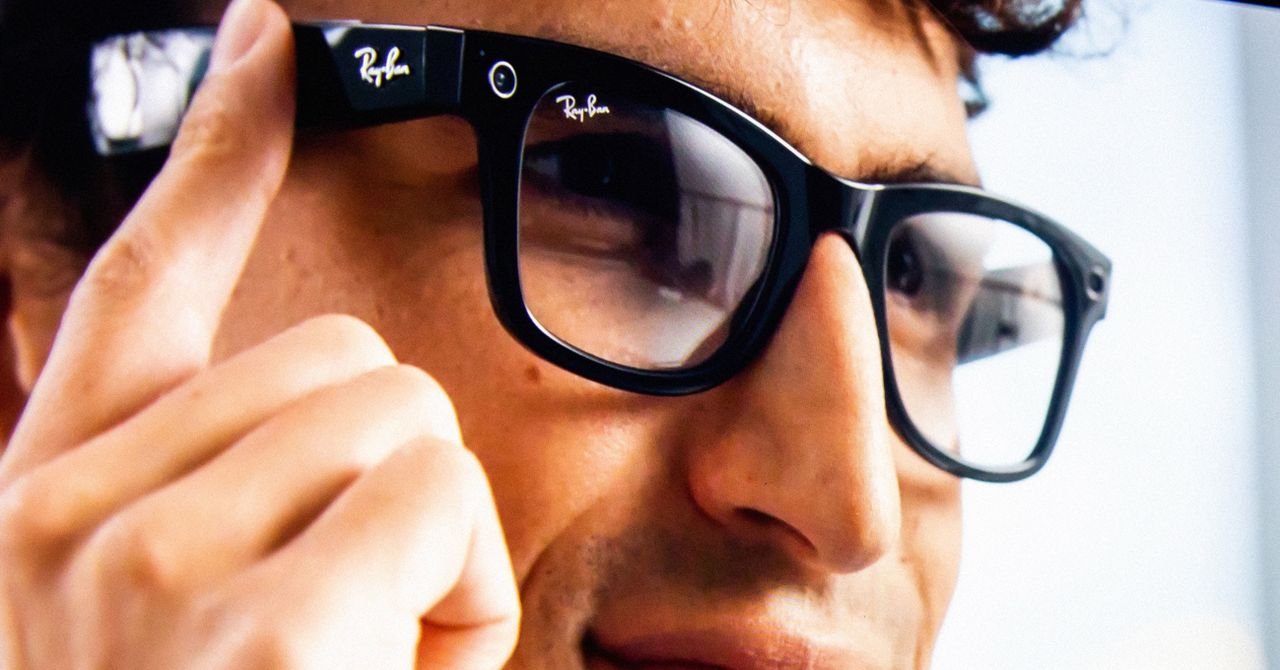
‘I Felt Super Violated’: Men Wearing Meta Glasses on Dates Is an Instant Red Flag. As anxieties over surveillance tech grow, unsuspecting singles are sharing stories of being covertly filmed on dates by Meta smart glasses.
What happened
The phenomenon, which has also spread to pickup artists hitting on women, has earned the hardware the nickname “creep glasses. ”Among singles, and particularly women, Meta’s AI-powered eyewear has become a recurring nuisance, as people share a spreading unease about being covertly filmed on dates. He arrived wearing a baseball cap pulled low and sported a pair of black-framed glasses, she says. As conversation flowed, from discussions about navigating life in New York to past relationships, he mentioned that his glasses were Meta Ray-Bans.
There was no conversation about it. ”Meta sold more than 7 million pairs of the Ray-Bans in 2025, as its smart glasses have infiltrated public spaces thanks to pranksters with dreams of viral fame, some of whom even film people while they’re at work. “Ban those glasses completely,” posted a young woman on Bluesky in August, writing that her date “leaned over to show me pictures he took of me I had no idea he was taking. ” One TikToker claimed in a video after a date that she “immediately felt uncomfortable,” questioning why people are “so comfortable videoing everything.
It’s a terrible way to portray yourself, wearing a fucking camera on your face and you’re sitting in my face. ”In a Reddit post from August, users debated the ethics of the trend, wondering if it was OK to continue a date when someone showed up wearing them; in a separate thread, one person said they had ghosted a guy after realizing he’d worn the glasses on their date. I kissed him while he was wearing the glasses,” they said.
The wider picture
But while a phone being held up to someone’s face gives them a clear opportunity to object, smart glasses largely erase that opportunity. (Meta’s glasses do have a front-facing LED that switches on when the glasses are recording, but the light is the only warning, and it can be disabled by hacking the hardware. )For McAnuff, the trend is about more than privacy instructions. In August, Meta expanded its public awareness efforts through a social media campaign focused on helping people identify when someone is recording with the glasses.
For McAnuff and many others, Meta’s smart glasses have simply become the latest privacy issue hiding in plain sight. It was her first time seeing the smart glasses up close, which can record images and video from the wearer’s viewpoint. The most logical, non-creepy reason may be tied to post-date analysis, in that the glasses can help men identify blind spots around their own behavior. “But I do wonder if some are doing it to build a case instead of a connection—why they’re right and the other person is wrong—or to help better identify red flags. ” That type of surveillance “makes the date less about getting to know each other and more about fact gathering,” he adds.
It just shows that this person lacks respect for the integrity and privacy of the date,” Xu says, adding that she fears that the glasses are triggering a future “where people have no more anonymity. ”Concerns have intensified as issues about the device have continued to make headlines. Meta and EssilorLuxottica, which owns Ray-Ban, are facing a class action lawsuit alleging that they captured and stored users’ private data without consent.
What has been reported
This month, Semafor reported that Meta disabled the recording function for thousands of users who tampered with the light that notifies people that the Meta Ray-Bans are filming. Following the addition of an unreleased face-recognition feature called NameTag to its eyewear earlier this year, revealed by a WIRED investigation, Meta scrubbed the code from its app in June and is facing another proposed class action over allegedly breaching Illinois and California privacy laws by collecting biometric information from users’ photographs without their knowledge.
“This lawsuit is without merit and misrepresents our work,” a Meta spokesperson tells WIRED in reference to the NameTag lawsuit. As for NameTags, nothing has shipped to consumers, and no final decision has been made on what to do here, if anything. According to Meta, if people tamper with the recording light, including placing blockers over it, the camera will not turn on. So we're trying to fight that every way we can,” Meta's head of Instagram Adam Mosseri said in July.
A California bill just passed both chambers that mandates visible recording indicators on recording devices and bans users from turning them off. Likewise, Australia’s eSafety Commissioner is asking tech companies to automatically blur people’s faces recorded with their smart glasses, writing that “as smart glasses evolve and become more common, they may become increasingly interconnected with and create new ways to perpetrate different types of harms, such as image-based abuse, adult cyber abuse, cyberbullying of children, or the livestreaming of violent or other harmful content. ”When McAnuff realized footage of her had been uploaded without her approval, she confronted her date over text.
What happens next
Paresh DaveMeta Sued Over Training Data for Its AI and Face-Recognition SystemsThe proposed class action alleges Meta illegally harvested people’s Facebook and Instagram photos to train its AI image-generation models and to build its unreleased “NameTag” face recognition feature. Dhruv MehrotraMeta Failed to Catch Hundreds of AI Child Abuse Ads. Matt BurgessSan Francisco Orders Meta to Stop ‘Allowing’ AI Child Abuse AdsThe City Attorney’s Office has asked Meta to explain how the harmful ads repeatedly ran on Facebook and Instagram.
7 Billion to Settle Its Social Media Harms Case—and That’s Not AllIn addition to sending billions of dollars to states, Meta will make substantive changes to its platforms as part of a landmark settlement. Matt BurgessPeopleFinders’ New Website Runs Background Checks on Your DatesThe site, called Stud or Dud, helps daters dig up dirt on potential paramours. Maddy VarnerThe Meta Settlement Will Put Limits on Instagram for Teens. They’re Still VulnerableChild safety groups and former Meta employees welcome proposed changes to how the company’s platforms will work for teens.