

Cape Town businessman sentenced after trying to take Mercedes-Benz from estranged wife

Cape Town businessman sentenced after trying to take Mercedes-Benz from estranged wife. News Crime and CourtsCape Town businessman sentenced after trying to take Mercedes-Benz from estranged wifeSinenhlanhla Masilela|Published 3 hours agoAsk AI 8minBusinessman gets suspended jail sentence after men try to remove estranged wife’s Mercedes.
What happened
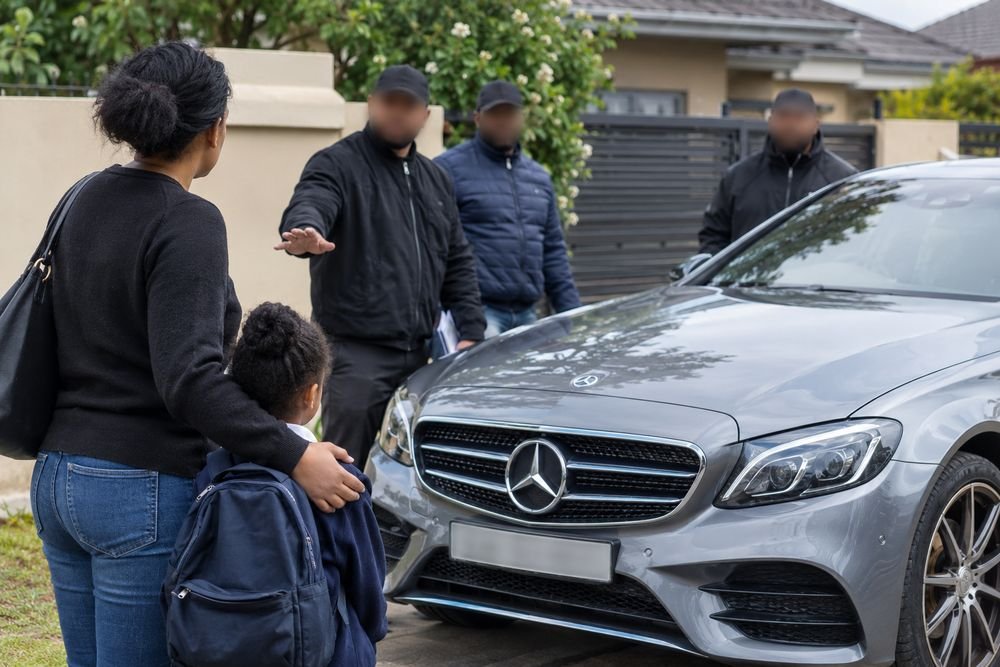
Image: Ai-GeneratedA Cape Town businessman has been found in contempt of court after he attempted to take back a Mercedes-Benz vehicle that a High Court order required him to make available to his estranged wife and their two minor children during their ongoing divorce proceedings. A Cape Town businessman received a suspended 30-day jail sentence after the Western Cape High Court found that he breached a court order by sending men to retrieve a Mercedes used by his estranged wife and their children.
The Western Cape High Court in Cape Town found that the businessman deliberately and in bad faith breached a 2021 Rule 43 order by sending people to collect the vehicle from his wife's home in February this year. Judge M Francis sentenced him to 30 days' imprisonment but suspended the entire sentence for two years on condition that he continues making the Mercedes-Benz available to his wife and children and does not breach the interdict granted by the court.
Mercedes-Benz at centre of divorce disputeThe businessman and the applicant are married and involved in protracted divorce proceedings in the Western Cape High Court. Judge says breach was more than an attempted dispossessionThe respondents argued that the businessman could not be found in contempt because the Mercedes-Benz was never actually taken from the applicant. The Mercedes-Benz is registered in the name of CA Cellular Holdings CC, a close corporation of which the businessman is the sole member.
The wider picture
Part of that order required him to continue making the Mercedes-Benz available for the use of his wife and their two minor children while the divorce proceedings were pending. The dispute escalated in February 2026 after the businessman crashed the vehicle he was using while in Cape Town exercising contact with the children. When his son questioned him via WhatsApp about why he was trying to take the vehicle, the businessman did not deny doing so and instead said the vehicle was his.
The court also criticised the applicant for initially failing to disclose the February 2 letter in which the businessman had notified her that he intended to retrieve the Mercedes-Benz. The following day, his attorneys wrote to the applicant's attorneys saying that she had since bought her own vehicle and that the reason for allowing her to use the Mercedes-Benz therefore no longer existed. Williams told her he had been sent to collect the Mercedes-Benz. The men parked across her driveway, preventing her from leaving to fetch her children, and demanded that she hand over the Mercedes-Benz.
The men eventually left but returned the following morning and repeated their demand for the Mercedes-Benz.
What has been reported
Judge finds businessman instructed men to collect MercedesThe businessman denied involvement in the events, but Judge Francis found that the evidence established beyond reasonable doubt that the men had been sent to collect the vehicle on his instructions. Court rejects 'good faith' explanationThe businessman argued that circumstances had changed because his own vehicle had been damaged in a collision and his wife had bought another car. They were prohibited from taking any steps to dispossess the applicant of the Mercedes-Benz, unless authorised by the court.
The businessman was therefore sentenced to 30 days in prison. Ask AIRelated Topics:high courtdivorce proceedingsrelationshipSaturday, September 19, 2026NewsCrime and CourtsSouth AfricaAfricaWorldBRICSEducationEnergyEnvironmentFeel GoodGovernment at WorkOpinionPoliticsOpinionOpinionNewsPoliticsEntertainmentLifestyleTechSportBusinessJobsEconomyPropertyWindow on ChinaHybrid WorkingEntertainmentCelebrity NewsStreamingMoviesMusicBooksWhats OnJoburgDurbanCape TownPretoriaOpinionLifestyleHealthBeautyFashionFoodRelationshipsParentingCompetitionsOpinionTravelLocalInternationalTechSoftware and InternetEsportsOpinionSportSoccerPSLRugbyCricketMMABettingOpinionHorse RacingMotoringReviewsLaunchesIndustry NewsMotorsport They said a towing company would collect the Mercedes and its keys. He also contacted her attorney and described himself as an independent tracer, saying he was acting on instructions from the businessman's attorney. The applicant told the court that the men swore at her and threatened her, while saying they would obtain a locksmith and take the vehicle.
What happens next
Her attorneys sent a candidate attorney, Ms Wiehman, to collect the children from school and take them to the applicant's sister, who lived next door. The judge noted that the businessman had not filed an affidavit responding to the merits of the contempt application, despite being given two opportunities to do so. His attorney had, however, confirmed in court that the businessman had instructed a towing company to collect the vehicle. The court found that Williams could not have obtained those documents without the involvement of the close corporation or the businessman who controlled it.
In addition, the businessman's attorneys later confirmed in writing that he had authorised someone to collect the vehicle on behalf of the close corporation. “An order of the court binds until it is varied or set aside,” Judge Francis found, explaining that the businessman had a remedy if he believed circumstances had changed. Judge Francis said the businessman understood what the Rule 43 order required.