

KZN heavy rain tests whether flood warnings reach vulnerable communities

KZN heavy rain tests whether flood warnings reach vulnerable communities. News South AfricaKZN heavy rain tests whether flood warnings reach vulnerable communitieskelyn blackburn|Published 10 minutes agoAsk AI 2minKZN floods raise questions about warning systems and preparedness.
What happened
Maluleke said no flooding or extreme rainfall was expected in the low-lying areas, but communities near rivers and streams, as well as places with poor drainage, remained generally vulnerable if heavy rain occurred. Heavy rain and an Orange Level 6 warning in parts of KwaZulu-Natal have renewed questions about whether residents understand weather alerts and know how to respond. Image: Armand Hough/Independent Newspapers‘People do not understand the warnings. ’That warning from GroundWork representative Thalia Erwin has taken on new urgency after days of heavy rain battered parts of KwaZulu-Natal.
Teams opened the estuary mouth to help relieve water build-up and reduce the risk of flooding in surrounding communities. ‘Preparation cannot begin when the rain arrives’For GroundWork’s David Hallowes, preparation cannot begin only once the rain arrives. Did communities understand the warnings before the rain came? Warning signs to take seriously include rising water levels, overflowing stormwater, flooded roads, persistent rainfall and official SAWS weather warnings, Maluleke said. [email protected]IOL NewsGet your news on the go.
Erwin previously questioned whether residents understood South African Weather Service (SAWS) warning levels, asking: “What is a level 4 and what does that mean? ”She also warned that repeated alerts that do not lead to severe weather could cause warning fatigue, making communities less likely to respond when a dangerous system develops.
The wider picture
The warning included possible flooding of roads and formal and informal settlements, fast-flowing streams, dangerous deep water and the displacement of communities. He said authorities needed to identify vulnerable communities before disaster struck, particularly people living in informal settlements close to rivers or on steep slopes. He said the expected cut-off low would be monitored closely because such systems could bring severe weather, including heavy rainfall, strong winds and cold conditions. Orange Level 6 warning issuedThis week, SAWS issued an Orange Level 6 warning for disruptive rainfall along the KwaZulu-Natal coast and adjacent interior up to Richards Bay.
The warning was upgraded after forecasts indicated concentrated rainfall of between 50mm and 150mm in affected areas. “The longer-term issue is about housing and planning and why they are living there in the first place. ”Calls for targeted cellphone alertsErwin has also pointed to the potential of more targeted cellphone messaging, particularly for communities living in areas known to be at risk. The latest rainfall has therefore raised a question that goes beyond this week’s forecast.
And once the warnings were issued, did people know what action to take?
What has been reported
More rain possible next weekSouth African Weather Service senior weather forecaster Wisani Maluleke said KZN was expected to experience isolated rainfall over the coming days, with a good chance of rain on Tuesday and Wednesday due to a cut-off low and an approaching cold front. Residents were urged to follow SAWS weather warnings, stay informed and ensure that children, elderly people and people with disabilities were safe. They should avoid crossing flooded roads, rivers and bridges.
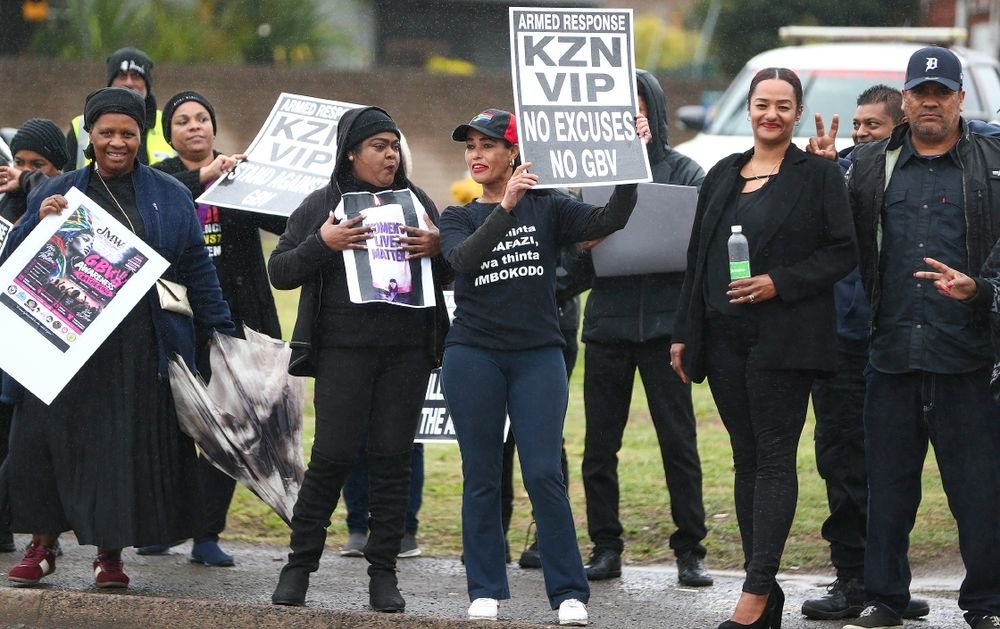
The country is gripped by the news that nine women have been found dead in Ekurhuleni since July, and police are investigating whether the killings are linked. Communities wear blackIn Durban, activists gathered near the N2 freeway in Parlock to make their voices heard. Racheal Pillay, from Jugs Meals on Wheels and a community activist, said GBV is the biggest challenge facing communities. The police are under-resourced, not well trained, and have a backlog of cases pending investigation.
The country faces a brain drain, and experienced prosecutors have left, leaving a backlog of cases,” Palmer said.
What happens next
Houses collapse in eThekwiniIn eThekwini, the municipality activated emergency protocols and placed frontline services on high alert. By Friday, localised mudslides in Tshelimnyama, near Pinetown, had caused about three houses to collapse, affecting 14 residents. No deaths, injuries or entrapments were reported, according to the municipality. Disaster Management teams were assessing the area and coordinating relief for affected families. The municipality was also monitoring rising water levels in the Isipingo River and estuary. Local government and relevant departments, he said, should map these areas, establish communication systems and have emergency response plans ready.
He said SAWS was monitoring the system closely because the forecast could still change.
The report has been compiled by Press Orb using information reported across iol.co.za. Details are presented according to the information available at the time of publication and may change as authorities, organisers or other relevant parties provide updates.