

Nurse Killed in DR Congo While Responding to Ebola Outbreak Amid Misinformation and Violence

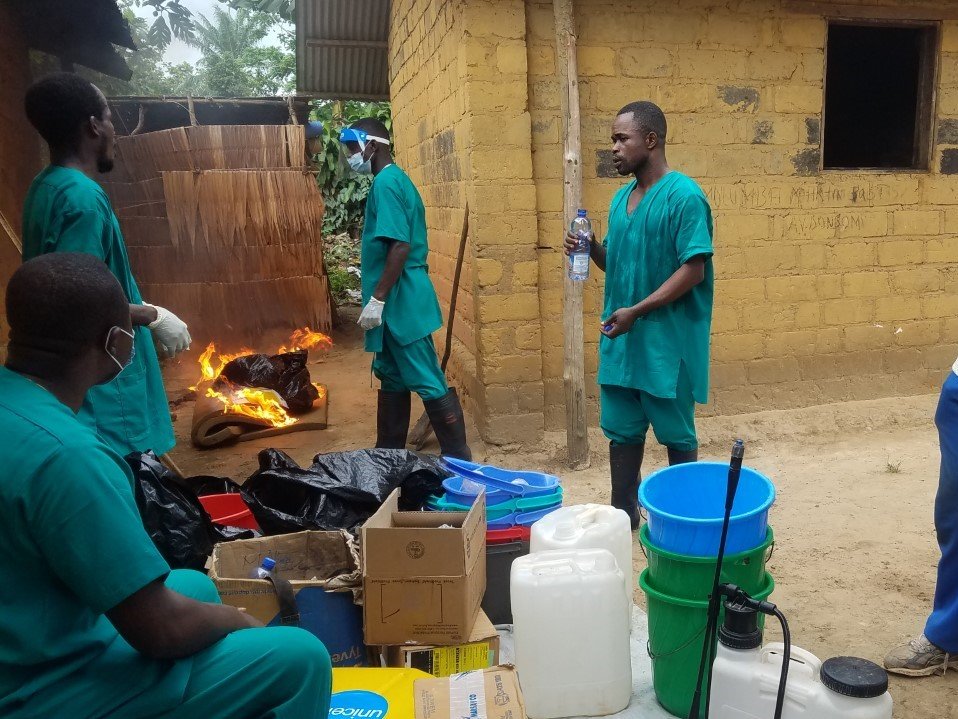
A nurse was fatally attacked on Saturday, October 24, 2026, in the town of Bafwasende, located in the Tshopo province of the Democratic Republic of Congo (DRC), while working as part of the response to a severe Ebola outbreak. Another person involved in the response was seriously injured during the same incident. Local youths reportedly accused the two of spreading the virus by contaminating water sources, an allegation that health authorities have firmly denied as baseless and part of widespread misinformation fueling fear and violence.
The nurse had been engaged in efforts to educate and protect the community from the Ebola virus, which is causing a large and ongoing outbreak across eastern parts of the DRC. The injured individual was identified in local reports as a primary-school headteacher involved in the response, while some international sources described them more generally as a fellow health worker. Police intervened promptly to safeguard health personnel, who are now reportedly reluctant to leave the hospital where they have taken refuge due to fears for their safety. The army was also briefly deployed in the area to help restore order.
This attack is part of a troubling pattern of violence against health workers in the region, where misinformation has led to hostility and physical assaults. Earlier incidents this year included threats against responders and the burning of a colleague’s home. Such violence severely hampers efforts to control the outbreak and undermines community trust in health interventions.
The United Nations Ebola response coordinator condemned the killing and called for a thorough investigation to bring those responsible to justice. Similarly, the World Health Organization (WHO) expressed sorrow over the loss and emphasised that health workers must be able to carry out their duties safely and with dignity, free from violence and intimidation.
The Ebola outbreak, caused by the Bundibugyo species of the virus, was declared on May 15, 2026, and has since expanded across multiple provinces in the DRC. According to the WHO, as of October 20, 2026, there have been 9,704 confirmed cases and 4,687 deaths reported across 66 health zones in eight provinces. The Tshopo province, where Bafwasende is located, has recorded 76 confirmed cases and 27 deaths. The outbreak remains active and difficult to contain due to ongoing insecurity, population movement, limited healthcare capacity, and challenges in securing community cooperation.
The outbreak has also affected neighbouring countries. Kenya and Nigeria have reported cases linked to this epidemic, with Nigeria confirming an imported case in its capital, Abuja. Uganda has responded by imposing restrictions on non-essential travel to and from the DRC and requiring returning citizens to undergo a 21-day quarantine, aiming to prevent further cross-border transmission. However, no cases have been officially reported within Uganda since August 2026.
Efforts to contain the outbreak involve disease surveillance, case investigation, safe burial practices, and community engagement. Yet, misinformation and violence against responders continue to present serious obstacles. Health authorities in the DRC continue to urge the public to trust verified information and cooperate with medical teams to effectively combat the disease.
The killing of the nurse in Bafwasende underscores the dangers faced by health workers on the front lines of the Ebola response. It highlights the urgent need for stronger protection measures for medical personnel and clear, trustworthy communication with communities to counteract rumours and fears. Without such support, the fight against Ebola risks being undermined by violence and mistrust, prolonging the outbreak and costing more lives.