

Protesters block Orange Order parade on Garvaghy Road, police stop march after court clears way

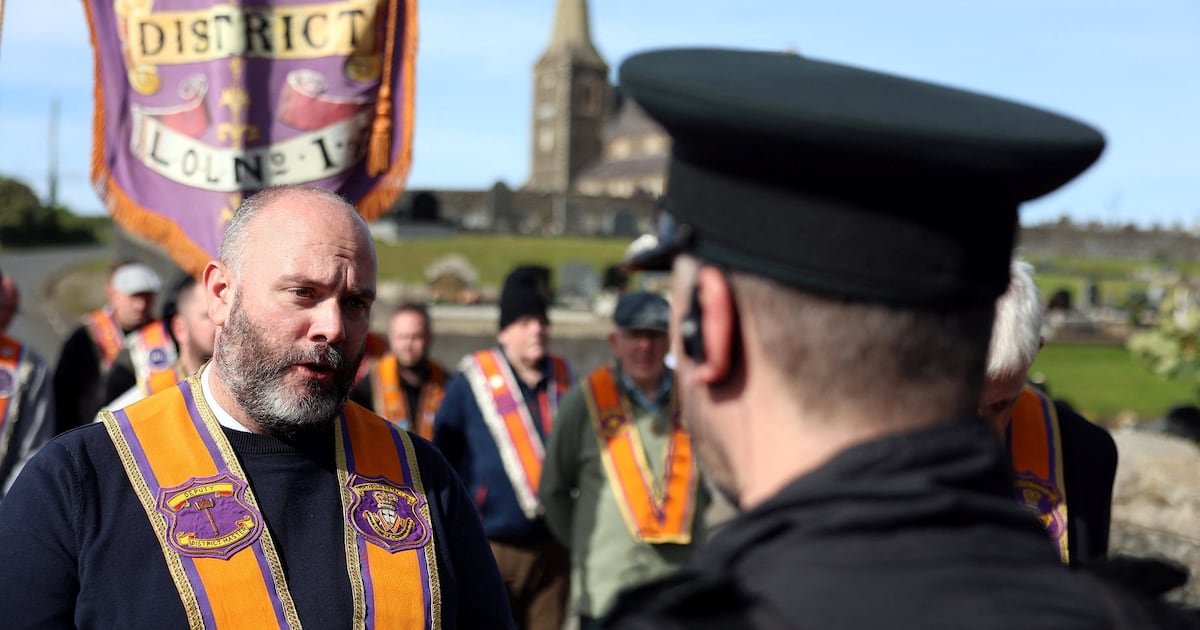
On Sunday, a planned Orange Order parade in Portadown was stopped after thousands of protesters blocked the route along Garvaghy Road, a mainly Catholic area. The parade had been authorised by the Parades Commission for the first time in nearly 30 years, but the large protest made it impossible for the march to go ahead.
The Orange Order is a Protestant group that holds annual marches as part of their cultural tradition. However, their parades through Catholic neighbourhoods have long been a source of tension and conflict in Northern Ireland.
Earlier in the weekend, courts overturned a temporary ban on the parade, allowing it to proceed under strict conditions: only 35 participants, no bands or supporters, and a silent procession starting early on Sunday morning. Despite this legal clearance, the parade was effectively blocked by protesters who gathered overnight, linking arms and preventing the marchers from moving along the Garvaghy Road.
Police repeatedly warned the protesters that their gathering was unnotified and unlawful. They said participants faced possible arrest. Yet, police decided not to forcibly remove the crowd, which included women, children and older people, because the force needed would have been excessive and risked public safety.
The Orange Order members assembled at Drumcree Church but were unable to start the parade. Police kept a presence between the two groups to prevent violence, and no serious disorder occurred during the weekend.
Senior Sinn Féin politicians, including Northern Ireland First Minister Michelle O’Neill and party president Mary Lou McDonald, joined the protesters. This led to unionist politicians accusing them of encouraging illegal actions, though these claims remain politically charged and contested.
Most protesters left after midnight on Monday, following representatives’ claims that a new dialogue process was being set up to address the dispute. Police maintained a presence near Drumcree Church to monitor the situation.
The parade dispute is a long-standing flashpoint linked to the Troubles, a decades-long conflict in Northern Ireland. The decision to allow the parade came after a court criticised the Parades Commission’s earlier process, leading to an independent review of how the commission operates.
Northern Ireland Secretary Chris Bryant urged calm and said he was exploring solutions with political leaders to find a way forward. He noted his powers to intervene were limited unless formal legal conditions were met. The situation remains sensitive, with talks ongoing.