

Brazil’s ‘Lula’s Army’ WhatsApp Channel Energised Campaign in Tight 2026 Election Runoff

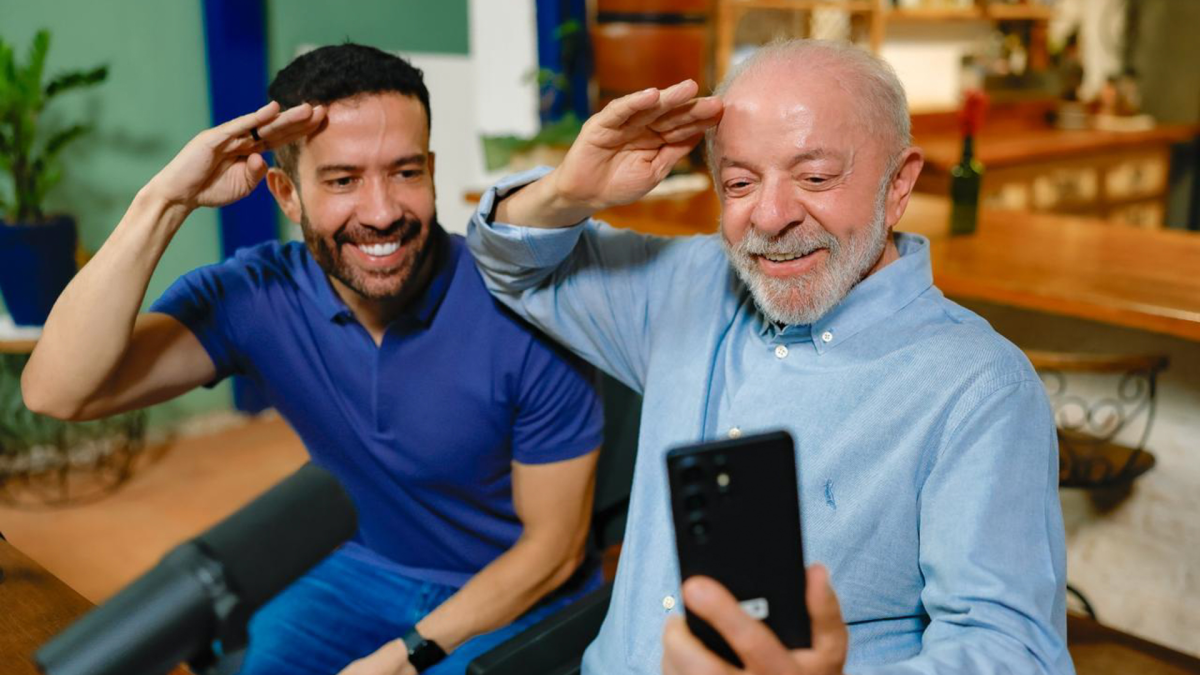
In Brazil’s closely contested 2026 presidential runoff, a WhatsApp channel known as “Lula’s Army” emerged as a significant force in rallying supporters and boosting the campaign of incumbent Luiz Inácio Lula da Silva. Administered by Congressman André Janones, the channel grew rapidly in the final weeks, reaching over 10 million followers and coordinating digital activism that coincided with a surge in voter turnout and Lula’s narrow re-election victory.
After the first round, polls indicated Lula trailing his main opponent, Senator Flávio Bolsonaro. Facing a challenging path to victory, Lula’s campaign intensified its digital strategy. Janones created “Lula’s Army” as a WhatsApp broadcast channel to mobilise supporters through daily tasks such as sharing campaign videos, promoting hashtags on social media, recruiting new followers, and amplifying Lula-aligned messaging online. The channel’s growth was swift, with reports showing it surpassed 10 million followers by October 23, just two days before the runoff.
Janones employed lively and urgent calls to action, urging members with messages like “urgent,” “don’t go to sleep yet,” and “one more task before you’re dismissed.” This approach helped transform online enthusiasm into active campaigning, with followers spreading content beyond the channel itself. The channel’s success was notable given Brazil’s political landscape, where conservative groups had traditionally dominated online mobilisation, especially on platforms like WhatsApp and Telegram.
The digital momentum generated by “Lula’s Army” paralleled visible street protests and rallies supporting Lula across the country. Movements involving social organisations and students organised numerous demonstrations, creating a combined online and offline effort to increase turnout and sway undecided voters. Official data from Brazil’s Supreme Electoral Tribunal (TSE) showed high voter participation, with abstention dropping slightly from 21.08% in the first round to about 19.2% in the runoff.
Ultimately, Lula won re-election with 51.79% of valid votes, amounting to over 64 million votes, against Bolsonaro’s 48.21%. While allies credited the WhatsApp channel with energising supporters and helping reverse Lula’s fortunes, experts caution that directly measuring its impact on vote counts is difficult. Political analysts highlight that the campaign’s success also depended on connecting digital mobilisation with grassroots activism and adjusting messaging to address voters’ concerns about social programmes and rights.
The TSE monitored the WhatsApp channels closely during the election, including “Lula’s Army” and the rival pro-Bolsonaro channel “Tropa do Flávio.” Bolsonaro’s campaign filed complaints alleging that Lula’s channel coordinated disinformation and unlawful activities, but a preliminary review found no specific false claims in the posts examined. The court ordered removal of some false content from Bolsonaro’s own channel but did not suspend either operation entirely. Legal proceedings related to these allegations were ongoing as of late October.
Following his victory, Lula publicly thanked André Janones, referring to him as “our General” for his role in lifting supporters’ morale during the campaign’s critical final weeks. Lula pledged to increase the role of digital communication in his government, promising to engage more directly with the public through social media and reduce reliance on traditional media intermediaries.
Experts agree that “Lula’s Army” exemplified how social media channels can mobilise millions and energise a campaign, especially when combined with offline activism and resonant messaging. While not the sole factor in Lula’s comeback, the channel helped create a digital movement that matched the energy on the streets and may influence how Brazil’s government communicates with its citizens in the future.