

African Elephants Use Medicinal Plants to Care for Themselves and Their Young, Study Finds

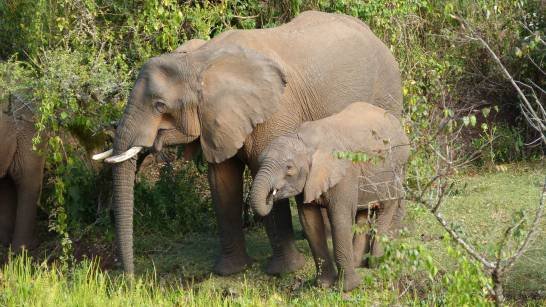
African elephants in Kenya’s Mount Elgon region appear to use a range of medicinal plants when they are unwell. This new research, based on interviews with local experts who have lived alongside these elephants for decades, suggests that the animals actively seek out certain plants to help treat illnesses in themselves and their calves.
South Africa Seeks to Ease US Diplomatic Strains Amid Targeted Visa Restrictions Five Key England Players Withdraw from Nations League Squad Amid Injury Concerns CEOs Show Caution Discussing AI with Investors Despite Widespread Corporate Use Durban Mother Returns Home After Two-Week Search for Daughter Missing in Nepal Floods Independent Review Confirms Rising Mental Health Challenges Among Young People
The study gathered detailed accounts from eight members of the indigenous Sabaot community, including wildlife scouts and elders. They described how elephants choose specific plants, some of which are also used in traditional human medicine in the area. In total, the research identified 35 plant species and a few mineral sources that elephants may use for their health.
Among these plants, 25 were recognized by the locals as having medicinal properties for elephants. Eight species stood out because sick elephants reportedly sought them out deliberately, or mothers gave them to their calves. These include Aloe arborescens and Ficus natalensis, among others. One intriguing report described elephant mothers mixing plant material with their milk to feed to their young, although this behaviour still needs more direct observation and confirmation.
Scientists say this shows a close link between the health of elephants and the natural plants found in their habitat. It also raises concerns about what might happen if these forest areas are destroyed, potentially cutting off access to vital natural medicines for both animals and people living nearby.
While the study provides strong indications of self-medication in elephants, researchers caution that more work is needed to observe these behaviours directly, understand how the plants work, and confirm their benefits. For now, the findings highlight the complex relationship between wildlife and their environment, and the valuable knowledge held by local communities who share the landscape with these majestic animals.