

UK Government Mandates 1% Capital Budget Cuts to Bridge Defence Investment Plan Funding Gap

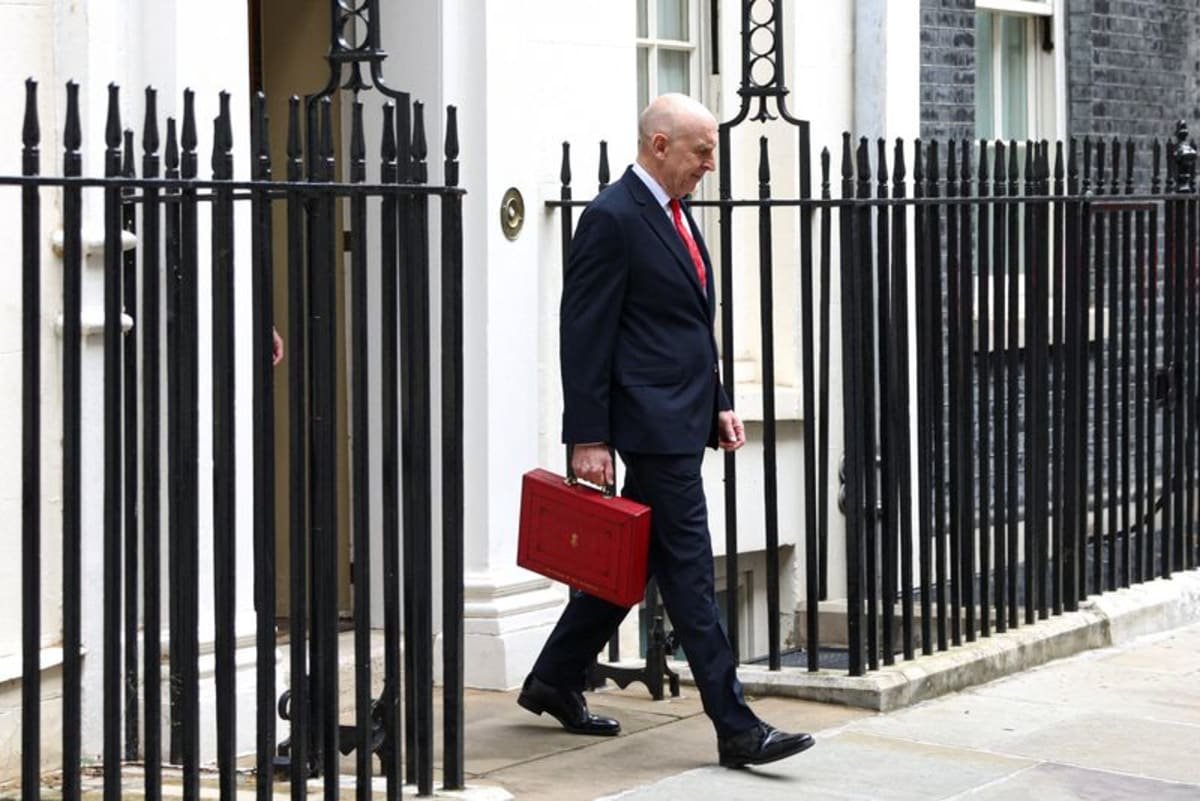
The UK government has directed all departments to reduce their capital budgets by 1% as part of efforts to close a £4.7 billion funding shortfall in the Defence Investment Plan (DIP), Chancellor John Healey announced in the 2026 Budget on 28 October. This move is intended to help finance a significant increase in defence spending planned over the next four years, while maintaining frontline services.
The Defence Investment Plan, unveiled earlier in 2026, commits to boosting the Ministry of Defence’s (MoD) spending power by £15 billion between 2026-27 and 2029-30. Prior to the Budget, £10.3 billion of this funding had already been identified through a combination of measures, including an initial 1% cut in departmental capital budgets, asset sales, and savings from the Departments for Transport and Energy Security and Net Zero.
The remaining £4.7 billion, confirmed at the Budget, is to be raised partly by a further 1% reduction in departmental capital budgets from 2027-28 to 2029-30, expected to generate approximately £3 billion. The rest will be drawn from Treasury reserves. It is important to note that these cuts apply specifically to capital budgets — funds allocated for long-term investments such as infrastructure projects — rather than day-to-day departmental spending.
This requirement means departments will need to identify efficiencies, delay or cancel lower-priority projects, and potentially monetise underused assets. The Department for Transport (DfT) is anticipated to contribute up to £700 million in savings by scaling back some road schemes, including consultations on the possible cancellation of projects like the A38 Derby Junctions and A46 Newark Bypass. Meanwhile, the Department for Energy Security and Net Zero (DESNZ) aims to find £2 billion in savings while continuing to grow its capital budget focused on clean energy initiatives.
Healey emphasised that the government is fully funding the Defence Investment Plan through these reprioritisations and remains committed to achieving NATO defence spending targets of 3% of GDP by 2030 and 3.5% by 2035. Detailed plans outlining how these targets will be met are expected to be published in next year’s comprehensive spending review.
The increased defence investment will support a range of strategic projects, including the development of drone and autonomous systems, new Royal Air Force aircraft programmes, munitions stockpiling, space capabilities, and the renewal of the UK’s nuclear deterrent. The plan also aims to enhance procurement efficiency and stimulate defence-related industries across the country, aligning with the government’s broader industrial strategy.
However, the announcement has drawn criticism from opposition politicians. Conservative leader Kemi Badenoch described the Budget as “a plan to have a plan,” questioning whether it will effectively enhance national security. Some critics have expressed concern that the cuts, although targeting capital budgets, could indirectly impact public services if key infrastructure projects are delayed or cancelled.
NATO Secretary General Mark Rutte welcomed the government’s commitment, describing it as a credible step towards meeting alliance obligations. The UK remains one of NATO’s largest defence spenders, trailing only the United States and Germany.
While the 1% capital budget cuts have been confirmed, departments have yet to provide detailed breakdowns of which projects will be affected or how the reductions will be allocated. The government has stressed that frontline services will be protected from these cuts.
This Budget highlights the government’s challenge of balancing increased defence spending in response to emerging global threats with fiscal discipline across public departments. The forthcoming spending review will offer greater clarity on how the UK intends to meet its ambitious defence spending commitments while managing the broader public finances.