

Senior Hospital Doctors in England Announce Two-Day Strike Over Pay and Working Conditions

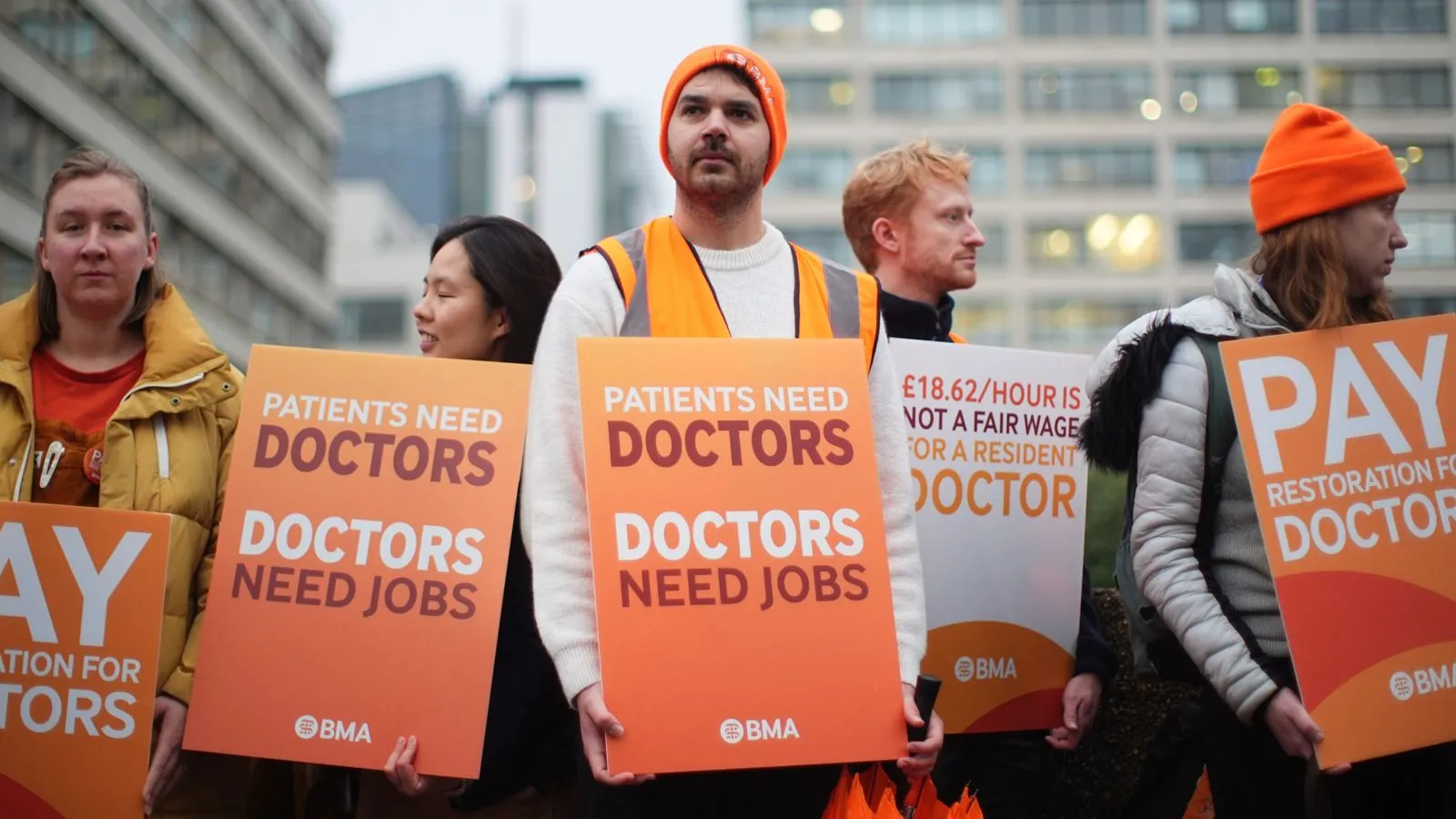
Senior hospital doctors in England, known as consultants, have announced plans to strike for two days on 25 and 26 November 2026. The British Medical Association (BMA), which represents consultants, confirmed the strike will begin at 06:59 on 25 November and end at the same time on 27 November. During this period, consultants will provide only emergency care, with services operating similarly to Christmas Day staffing levels.
The strike follows a prolonged dispute with the government that began in May 2025 over pay, working hours, and workload. Consultants secured a mandate for industrial action in July 2026 after talks with the Department of Health and Social Care, NHS Employers, and other stakeholders failed to yield an agreement. Informal discussions since then have not produced meaningful progress, leading to the announcement of strike action.
Consultants argue their pay has fallen by approximately 25% in real terms over the past 17 years, meaning their salaries have not kept pace with inflation and the rising cost of living. The government recently indicated it would propose a 2.4% pay uplift for consultants in the 2027/28 financial year to the Review Body on Doctors’ and Dentists’ Remuneration. The BMA describes this figure as a below-inflation increase that effectively constitutes a further pay cut in real terms. However, this 2.4% is a proposed planning figure and not a final pay award.
In contrast, consultants received a 3.5% pay increase for the 2026/27 year, as outlined in NHS Employers’ official pay circular. Despite this, the BMA maintains that the long-term decline in pay value has contributed to dissatisfaction among senior doctors.
Beyond pay, consultants are seeking reductions in their working hours to better align with other NHS and public sector workers, as well as more protected time to focus on teaching, innovation, and improving patient care. The BMA highlights widespread burnout and unsustainable workloads as serious concerns, warning that without changes, the NHS risks losing experienced medical leaders.
More than three-quarters of consultants who participated in the BMA ballot voted in favour of strike action. The BMA has stated that the strike could still be averted if the government commits to adequately funded formal negotiations addressing both pay and working conditions.
NHS Employers, representing England’s health trusts, expressed disappointment at the strike decision, warning that industrial action will place severe pressure on NHS hospitals during the already challenging winter period. They cautioned that non-urgent outpatient appointments, elective surgeries, and follow-ups will likely be postponed or rescheduled, potentially causing pain, discomfort, and inconvenience for patients.
Health Secretary Yvette Cooper described the strike decision as “very disappointing” and urged consultants not to take action that would add further strain to the NHS. NHS Employers called on the BMA to return to talks and be realistic about the pay increases the NHS can afford.
The planned strike involves consultant doctors in England and is separate from the resident doctors’ dispute, which concluded in June 2026 after a deal was reached. Consultants typically earn more than resident doctors but argue that their pay and working conditions require urgent attention to maintain NHS service quality.
Formal strike notices are expected to follow, providing roughly four weeks for further discussions before the strike begins. The BMA continues to emphasise the importance of resolving the dispute to ensure the retention and wellbeing of senior doctors crucial to the NHS’s future.