

Riyadh’s King Khalid International Airport Set to Reopen Amid Renewed Houthi Threats

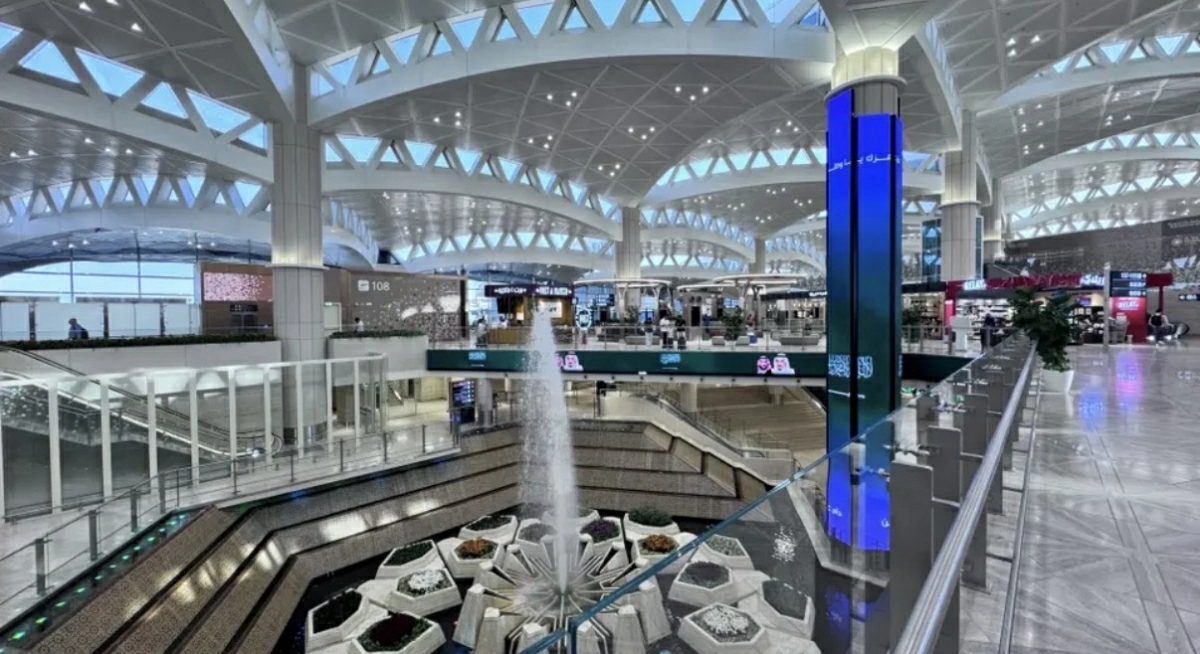
King Khalid International Airport in Riyadh is preparing to resume domestic and international flights on Sunday, October 25, following a closure of more than two weeks triggered by a series of missile and drone attacks claimed by Yemen’s Iran-aligned Houthi movement. The airport, one of Saudi Arabia’s busiest hubs, was shut down after a devastating strike on October 10 that caused significant casualties and damage.
The October 10 attack on the airport resulted in the deaths of 13 people and injured over 300, marking it as the deadliest assault on Saudi soil in more than a decade. The victims included nationals from Saudi Arabia, Bangladesh, the United States, Jordan, Palestine, Syria, Sudan, Egypt, and India. The Houthis claimed responsibility for this strike, which was part of a broader campaign targeting Saudi airports, ports, and oil infrastructure amid the ongoing Yemen conflict.
In the days following the initial attack, King Khalid International Airport suffered further assaults. On October 11, a missile struck Terminal 4, igniting a fire and injuring several individuals. Saudi air defences intercepted additional projectiles near Riyadh and in the Eastern Province, including a cruise missile and drones. These repeated attacks exposed vulnerabilities in the kingdom’s defence systems and led the General Authority of Civil Aviation (GACA) to suspend operations not only at King Khalid International Airport but also at Dammam’s King Fahd International Airport while safety inspections and damage assessments were conducted.
Authorities have now announced that effective October 25, Terminal 1 will be dedicated to domestic flights, while Terminal 2 will serve international flights operated by Saudi national carriers. Passengers with confirmed bookings have been advised to verify their flight status directly with airlines before travelling to the airport. This reopening signals a tentative return to normalcy amid persistent security concerns.
However, the Houthis have renewed their warnings against using the airport. Yahya Saree, the Houthi military spokesperson, reiterated that King Khalid International Airport remains a “military target” and that operations targeting it will continue. The group urged airlines, airport workers, and passengers to heed these warnings, underscoring the ongoing hostilities between the Houthis and Saudi Arabia.
Saudi authorities have permitted some domestic airlines, including Saudia and Flynas, to resume limited flights with prior approval since October 21. In contrast, several major international carriers such as Lufthansa and Air France have canceled their Riyadh services through at least mid-November, citing safety concerns related to the conflict.
The escalation in attacks on Saudi infrastructure coincides with intensified Saudi military operations in Yemen, where the kingdom supports the internationally recognised government against the Houthi movement. The Houthis control significant territory, including strategic locations along the Red Sea coast. They have warned that Saudi strikes in Yemen will provoke stronger retaliatory attacks.
Despite the heightened tensions, Riyadh has sought to maintain a sense of normalcy. An international energy conference proceeded as planned near the airport on October 24, while schools in Riyadh shifted temporarily to remote learning as a precautionary measure to ensure public safety.
The reopening of King Khalid International Airport offers a cautious step towards restoring routine air travel in Saudi Arabia’s capital. Nonetheless, the security situation remains volatile, and authorities continue to urge passengers to stay informed and confirm travel arrangements amid the ongoing conflict involving the Houthis and Saudi Arabia.