

Google Ends Cloud Support for Early Nest Learning Thermostats, Offering Limited Local Functionality

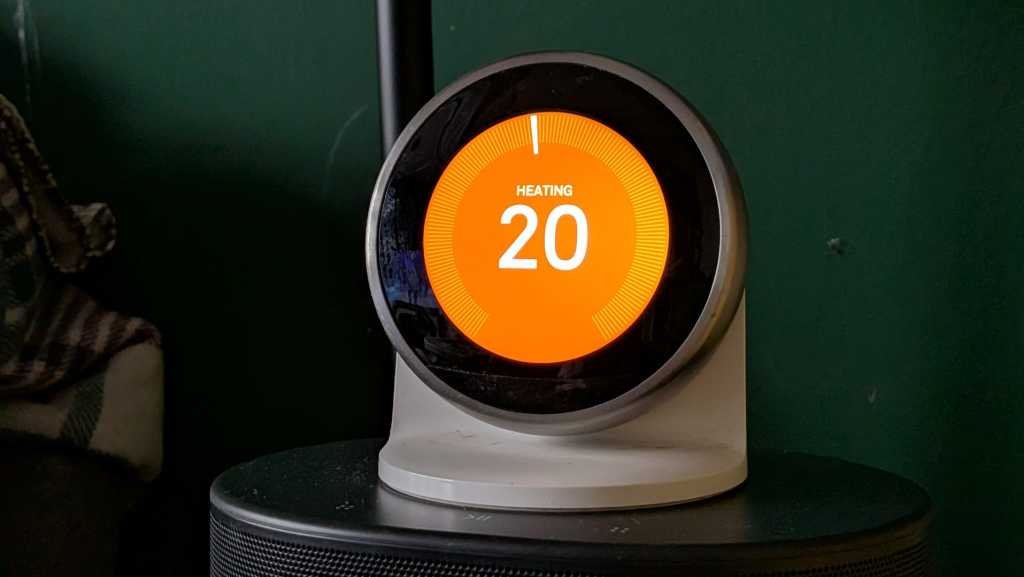
On 25 October 2025, Google officially ended cloud and app support for its first- and second-generation Nest Learning Thermostats, including the European variant of the second generation. This move disables the smart features that relied on Google’s cloud services, marking a significant change in how these devices operate.
Previously, these thermostats could be remotely controlled via the Google Nest and Google Home apps, respond to voice commands through Google Assistant, and integrate with other Nest devices such as Nest Protect smoke alarms. They also offered smart functions like Home/Away Assist and multi-device Eco mode control. With the termination of support, these cloud-dependent features are no longer available. The devices have been automatically unpaired from the Nest and Home apps, and users lose the ability to receive notifications or adjust settings remotely.
Despite losing smart connectivity, the first- and second-generation Nest Learning Thermostats continue to function locally. Users can still adjust temperatures, change operating modes, and manage schedules directly on the thermostat itself. Importantly, any pre-programmed schedules are intended to continue operating uninterrupted, allowing the devices to serve as programmable thermostats, albeit without their previous smart capabilities.
Google explained that maintaining and updating older hardware has become increasingly difficult, prompting the company to focus its resources on supporting newer thermostat models. These include the third-generation Nest Learning Thermostat, Nest Thermostat E, the 2020 Nest Thermostat, and the recently released fourth-generation Nest Learning Thermostat, all of which remain fully supported with ongoing software updates and app compatibility.
For eligible customers in the United States and Canada, Google has offered discounted upgrades to the fourth-generation Nest Learning Thermostat at nearly 50% off the regular price, with the offer valid through the end of 2025. However, this upgrade programme is not available in all regions, notably excluding Europe. In fact, Google has announced it will cease launching new Nest thermostats in Europe, citing the complexity and diversity of heating systems in the region.
In response to the discontinuation of official support, an independent community project named “No Longer Evil Thermostat” has emerged. Developed by security researcher Cody Kociemba, this open-source firmware aims to restore some smart functionality to the discontinued Nest devices without relying on Google’s cloud services. It provides a local web interface for temperature control, scheduling, and integration with platforms like Home Assistant. However, this solution is experimental, not endorsed by Google, and carries risks including potential device bricking if installation is unsuccessful. It requires technical expertise and should be attempted cautiously.
Google’s official communications emphasise that the affected devices will no longer receive software or security updates, which may lead to reduced performance or security vulnerabilities over time. Users are encouraged to verify their thermostat model and software version via the Nest or Google Home apps to determine if their device is impacted. Support resources, community forums, and recycling options are available for affected users.
This transition reflects a broader trend in the smart home industry, where companies gradually phase out support for earlier-generation devices to prioritise newer hardware and software platforms. While the affected Nest thermostats remain operational as basic programmable devices, users who value remote access, voice control, and integration with other smart home products will need to consider upgrading or exploring unofficial alternatives with awareness of their limitations.