

Ukraine’s Reliance on Starlink Spotlights Europe’s Satellite Gap

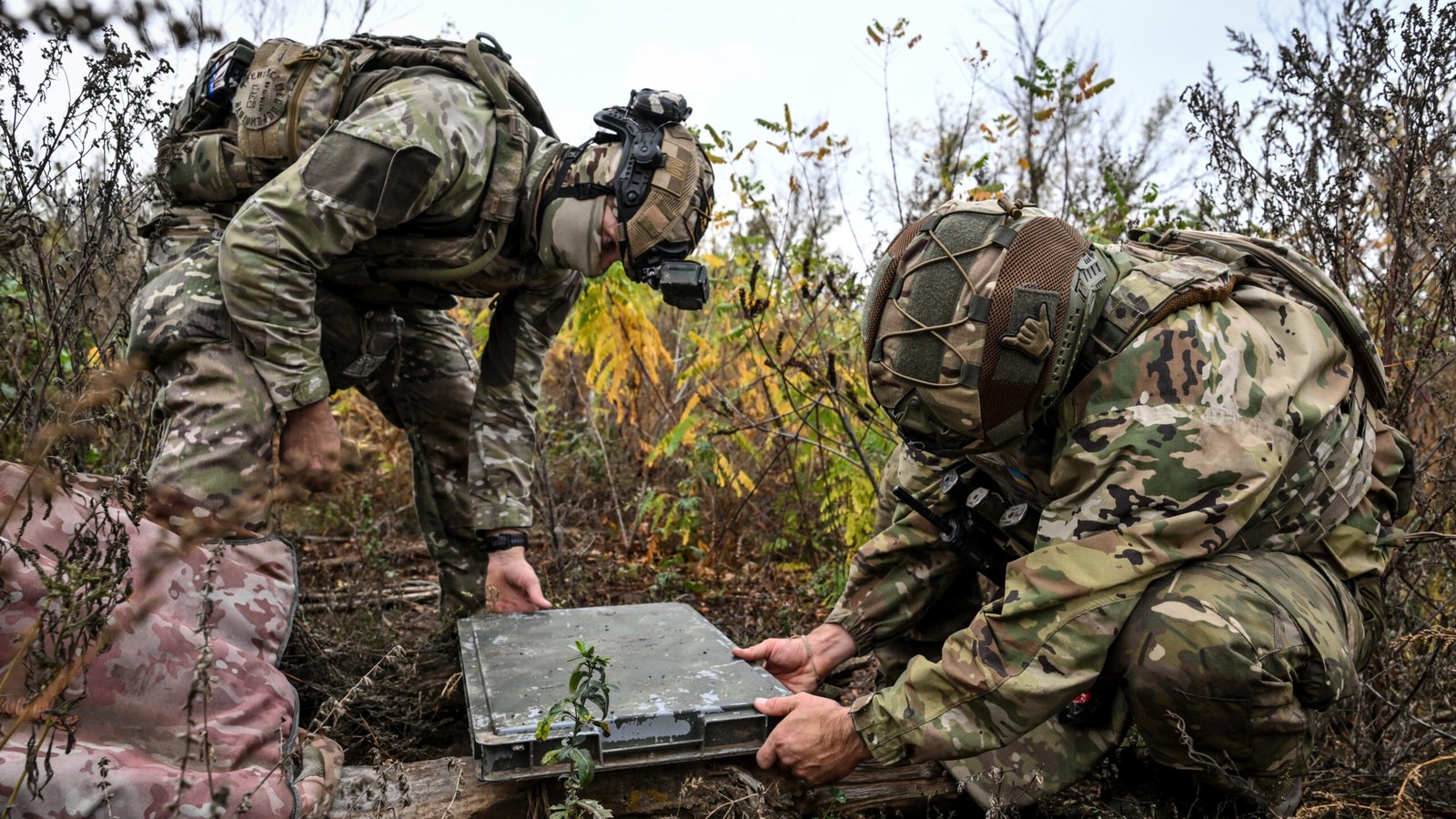
For years, Ukraine has depended heavily on Elon Musk’s Starlink satellite internet to keep its military and civilians connected during the ongoing conflict with Russia. Starlink’s network made it possible for Ukrainian forces to control drones, communicate across the battlefield, and coordinate logistics, even in areas where traditional internet was unavailable or disrupted.
However, recent events have revealed vulnerabilities in this setup. In mid-October 2026, Starlink’s military-grade service known as Starshield was mysteriously slowed down when used by fast-moving terminals, such as those mounted on drones. This limited the speed at which data could be transmitted, affecting drone operations, reconnaissance missions, and even Ukraine’s air defence against Russian attacks.
The slowdown lasted about ten days before being fully restored on October 24, according to Ukraine’s Ministry of Defence and President Volodymyr Zelenskyy. Elon Musk admitted that SpaceX had imposed the speed limits but later lifted them. The reasons behind the restrictions remain unclear, with conflicting reports about who ordered the throttling and why.
This disruption has raised urgent questions about Ukraine’s heavy dependence on a service controlled by a private company in the US. While Starlink currently offers one of the fastest and most accessible satellite networks, its use comes with political and operational risks. Ukraine’s government and military have already been exploring alternatives, including Europe’s satellite systems and other commercial networks.
European efforts to fill this gap are underway but face challenges. The European Commission said it is negotiating to fully include Ukraine in GOVSATCOM, a system pooling satellite capacity from EU member states. GOVSATCOM could add secure commercial satellite services starting early next year, while the EU’s own IRIS² constellation—with over 300 satellites—is expected to become operational around 2029. However, these options are not yet ready to offer the same coverage or mobility as Starlink.
Companies like Eutelsat are expanding their OneWeb satellite network, but experts say OneWeb’s current technology and bulky terminals make it less suitable for frontline military use. Ukraine has trialled OneWeb and considered Amazon’s planned satellite network but hasn’t found a fully dependable replacement.
Meanwhile, Finnish space company ICEYE and telecom giant Nokia signed a letter of intent with Ukraine’s Defence Ministry to develop sovereign satellite communication capabilities. Their project aims to build secure, government-controlled satellite systems that would give Ukraine full ownership and control, with the first satellites planned for launch in 2028. This would reduce dependence on foreign commercial providers like SpaceX.
Ukrainian defence firms are also adapting their technologies to work without relying solely on Starlink. Some drones use fiber-optic cables for communication to avoid electronic interference, and others employ mesh radio networks or terrestrial LTE and 5G systems as backups. AI-driven software helps manage these complex systems, ensuring missions can continue even if satellite links are disrupted.
The recent Starlink speed restrictions have been a wake-up call for Ukraine and its European partners. While Starlink remains critical for now, the situation highlights the need for Europe to develop its own satellite communication systems that can support military operations and keep Ukraine connected without depending on external companies or governments. These efforts are in progress but will take time to reach the scale and reliability currently provided by Starlink.