

Zondo Calls for Immediate Consequences to Combat Corruption in South Africa

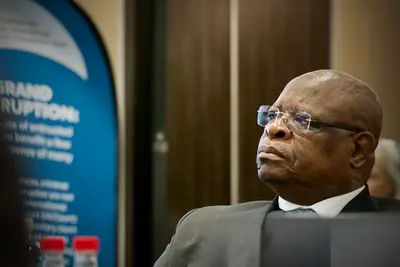
Former Chief Justice Raymond Zondo, who led South Africa’s inquiry into state capture, urged a decisive shift from merely investigating corruption to enforcing swift legal and administrative consequences. Speaking at the South African Association of Public Administration and Management’s 25th annual conference in Durban on September 30, 2026, Zondo emphasised that without accountability, public trust in government institutions will continue to erode.
Zondo highlighted that despite robust constitutional safeguards and detailed commission reports, South Africa still faces significant institutional weaknesses that hamper the fight against corruption. He criticised the government’s claims of having implemented the Zondo Commission’s recommendations, noting that key measures—such as establishing an independent Public Procurement Anti-Corruption Agency (PPACA)—remain unrealised years after the commission’s final report.
The proposed PPACA would focus on monitoring public procurement, a sector vulnerable to corruption, by detecting and disrupting illicit activities before funds are lost. However, as of August 2026, this agency has not been established, and the Public Procurement Act 2024, which addresses procurement reforms, has yet to be enacted, with ongoing legal and regulatory delays.
Zondo also stressed that disciplinary actions should not be postponed until after criminal prosecutions conclude. Government departments and law enforcement agencies need to act promptly to hold officials accountable and recover stolen assets. While some progress has been made—four state-capture-related cases have resulted in guilty verdicts and approximately R11 billion has been recovered—the majority of recommendations and large corruption cases remain unresolved, with many still under investigation.
He pointed to institutional challenges within prosecuting bodies, including leadership changes and resource constraints, which have slowed prosecution of high-profile cases. Nevertheless, recent developments, such as the Madlanga commission’s swift moves to arrest officials implicated in corruption scandals, demonstrate that rapid accountability is possible with political will.
Zondo’s call is clear: South Africa must move beyond inquiries and rhetoric to implement effective reforms and enforcement mechanisms that restore trust and deter corruption.