

Kganyago Sees Inflation Slowing and Debt Stabilising in South Africa Next Year

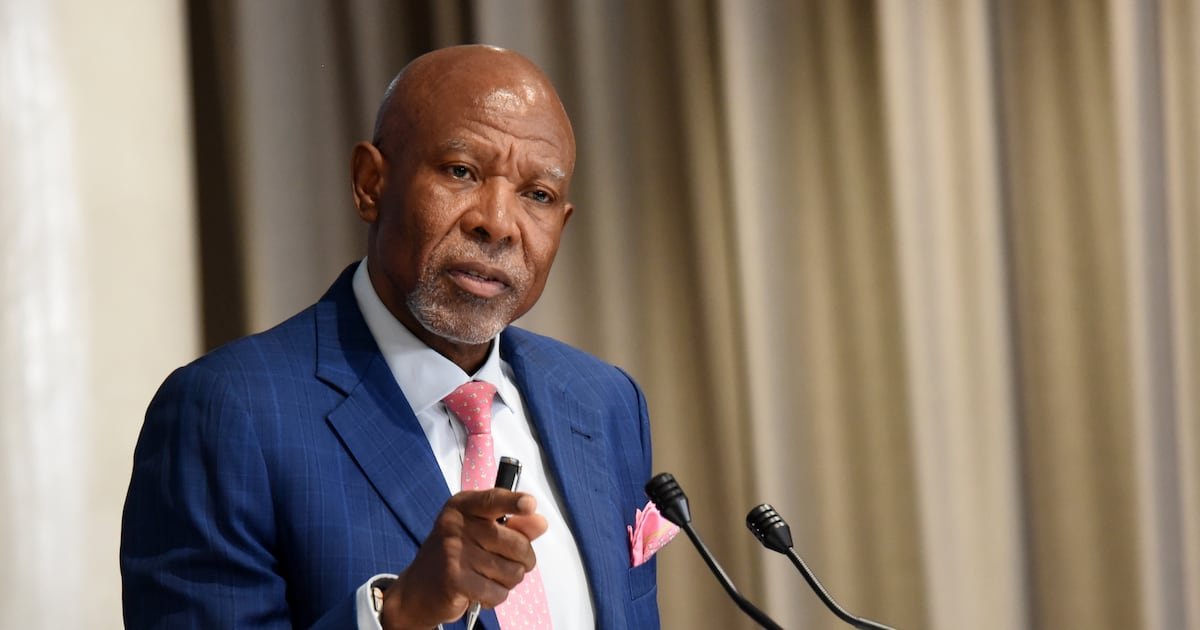
South Africa’s economic outlook is showing signs of improvement, according to Reserve Bank Governor Lesetja Kganyago. Speaking at a forum hosted by the Mapungubwe Institute for Strategic Reflection, he said inflation is expected to slow down significantly in 2027, with prices returning to the central bank’s 3% target by the end of that year.
Kganyago highlighted that the South African Reserve Bank (SARB) recently raised its policy interest rate to 7.25% to manage inflation risks. This move came as global supply shocks, especially linked to geopolitical tensions, continue to affect prices, particularly fuel and food costs.
Despite these challenges, the Reserve Bank believes that South Africa’s debt situation is stabilising. Kganyago noted that the country’s debt-to-GDP ratio has likely peaked and is expected to improve in the coming years, ending a period where promises of better fiscal conditions kept being pushed further into the future.
The SARB’s latest forecasts show inflation will stay above 5% for the rest of 2026 and into early 2027 before easing. The central bank also lowered its growth forecast for this year to 1.2%, reflecting ongoing economic difficulties. Still, it sees medium-term growth settling around 2%, assuming global conditions improve and domestic reforms take hold.
While food inflation has eased to its lowest level since 2010 and the rand remains relatively stable—helping with import prices—services inflation is still high, and longer-term inflation expectations remain above target at about 4%.
Experts surveyed by the Bureau for Economic Research also expect inflation to ease in 2027 and 2028, which may reduce pressure on interest rates. However, the outlook depends heavily on global developments, exchange rates, and whether rising prices become entrenched in the economy.
In summary, while challenges remain, the Reserve Bank’s view is cautiously optimistic. Inflation should come down next year, and public debt looks to be stabilising, offering a somewhat healthier economic foundation for South Africa going forward.