

Metro Mining Shares Rise Amid Q3 Challenges and Optimistic Outlook for Year-End

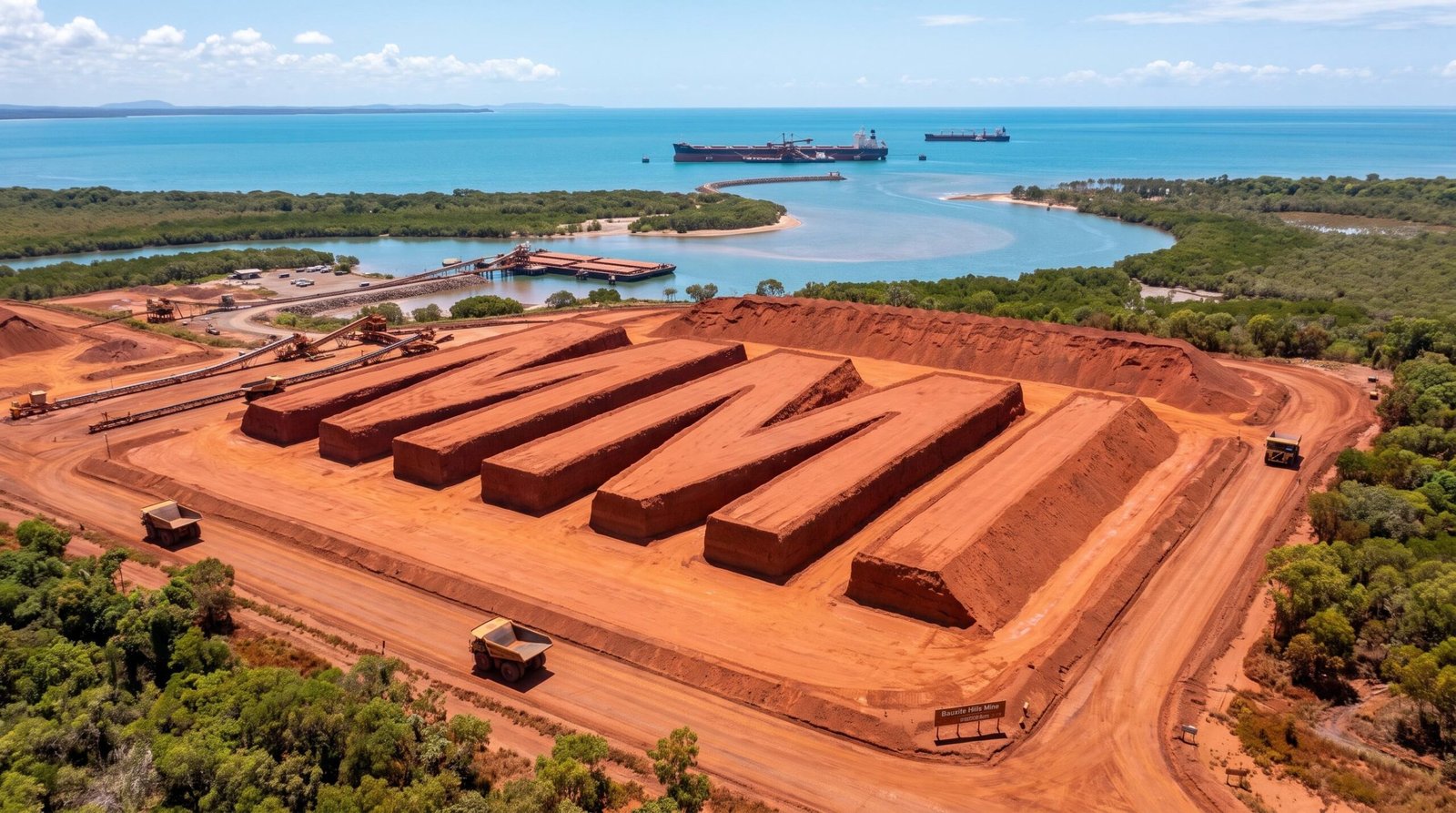
Metro Mining Limited reported a mixed performance in the third quarter of 2026, with operational setbacks tempering results but management expressing cautious optimism for a stronger finish to the year. The Australian bauxite producer shipped approximately 2.1 million wet metric tonnes (WMT) of bauxite during Q3, marking a 17% increase from the previous quarter. However, this volume fell short of the company’s initial expectations, prompting a revision of its full-year shipment guidance.
Following the quarterly results, Metro Mining adjusted its 2026 shipment target to a range of 6.0 to 6.5 million WMT, down from earlier forecasts. The revised guidance reflects a combination of factors that challenged production earlier in the year, including a cyclone in the first quarter and equipment-related setbacks. Despite these hurdles, management reiterated that the Bauxite Hills Mine’s processing system retains an annual capacity estimated between 7 million and 8 million tonnes, underscoring the potential for growth once operational issues are fully resolved.
Production showed signs of recovery in the latter half of October, with output exceeding 30,000 tonnes per day after improvements were made to address operational and shipping channel constraints. The company had faced a reportable, though not serious, incident involving a barge grounding in the shipping channel, which necessitated dredging and channel bed-levelling to restore safe navigation depths. These efforts have been successful, allowing Metro Mining to operate at higher throughput levels.
An important development for the company is the implementation of a new dry-screening system. This technology aims to convert lower-grade or previously unsaleable bauxite material into saleable product, potentially increasing operational flexibility during the wet season and enhancing overall sales volumes. While the benefits of this system have yet to be fully reflected in financial results, management views it as a strategic step toward optimising production.
Financially, Metro Mining’s cash reserves decreased to approximately A$17 million by the end of September, down by about A$7 million from the prior quarter. Unit costs rose to around A$30 per tonne, influenced in part by higher diesel prices, which accounted for roughly A$1.20 per tonne of the increase. Nevertheless, the company achieved a 59% improvement in its earnings before interest, tax, depreciation and amortisation (EBITDA) margin compared to Q2, reaching approximately A$7 per wet metric tonne, albeit still below target levels.
Market conditions provided some support as well. The company reported a roughly 9% increase in realised bauxite prices in U.S. dollar terms from Q2 to Q3, which translated to about a 6.5% gain when measured in Australian dollars per wet tonne. This price improvement was bolstered by the signing of two new bauxite offtake contracts, covering a combined volume of 4.5 million WMT per annum for the 2027 to 2029 period, signalling sustained demand from key customers.
Metro Mining’s shares responded positively to the update, edging up to trade around A$0.76 on 29 October 2026. The modest share price gain reflects investor recognition of the company’s efforts to overcome earlier operational challenges and the potential for improved performance in the final quarter.
Looking ahead, company leadership emphasised a razor-sharp focus on maintaining consistent production and improving cash flow. They acknowledged the frustration over the year’s setbacks but expressed confidence that the mitigation measures implemented will enable Metro Mining to deliver better results. Investors are expected to closely monitor the company’s upcoming quarterly report and webinar for confirmation of the progress made and to assess whether Metro Mining can meet its revised guidance for 2026.