

Senator Warren Questions Big Tech on AI Tax Breaks and Lobbying

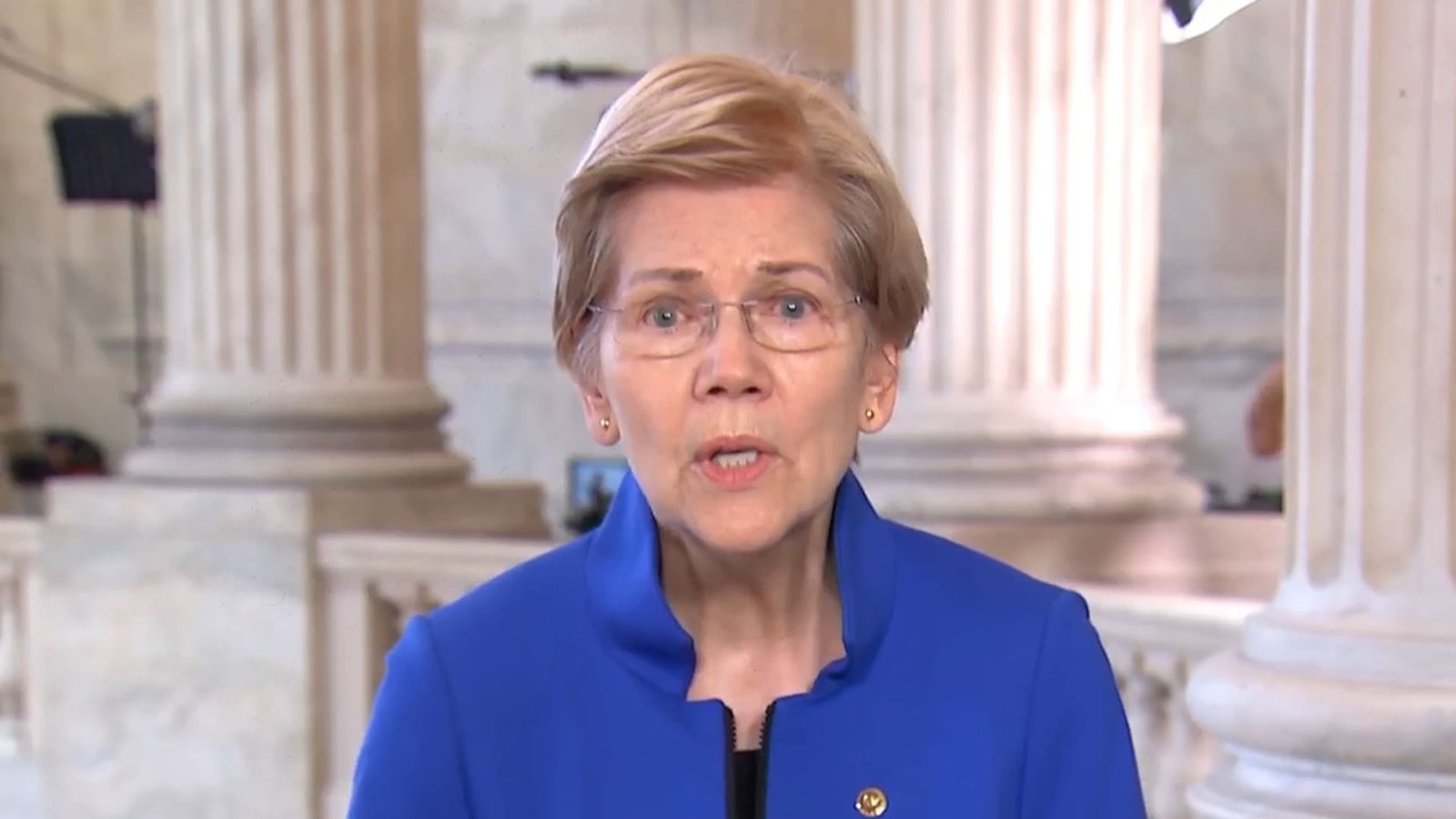
Senator Elizabeth Warren and several Democratic colleagues have asked the CEOs of Meta, Amazon, Google’s parent Alphabet, and Microsoft to explain their use of tax breaks linked to artificial intelligence (AI) and data centre investments. The letters, sent on 27 September 2026, request details about the tax deductions these companies have claimed, as well as their lobbying activities before the 2025 “One Big Beautiful Bill” tax law was passed.
The senators want answers by 12 October 2026. They point out that while these companies have seen their profits hold steady or grow, their current tax expenses have dropped sharply. For example, Meta’s federal income tax fell from about $9.6 billion in 2024 to roughly $2.8 billion in 2025, despite similar profits. Amazon and Microsoft also reported large declines in their current tax expenses over recent years.
Warren and her colleagues are concerned that the tax law, supported by Republicans and President Trump, includes generous tax breaks that encourage big tech firms to invest heavily in AI and data centres while substantially reducing their tax bills. This includes a 100% first-year depreciation allowance for qualifying property, which lets companies deduct the full cost of certain investments immediately.
These tax incentives have become a political issue ahead of the 2026 midterm elections. Democrats are emphasising the need for more regulation and fair taxation of AI development, amid public worries about job losses, rising utility bills linked to data centres, and the growing power of tech giants. Warren has also proposed taxing AI companies directly, including a tax on the energy use of data centres, to ensure communities benefit from this technology.
The White House has said that Amazon, Google, Meta, and Microsoft signed a pledge to manage the energy costs of their data centres so households are not burdened. However, the senators remain sceptical and are pressing for more transparency.
So far, representatives for the four companies have not responded to requests for comment on the inquiry. The situation is unfolding as lawmakers try to balance encouraging innovation with protecting consumers and ensuring tax fairness.