

Google Photos’ AI Virtual Closet Rolls Out on Android and iOS in Select Countries

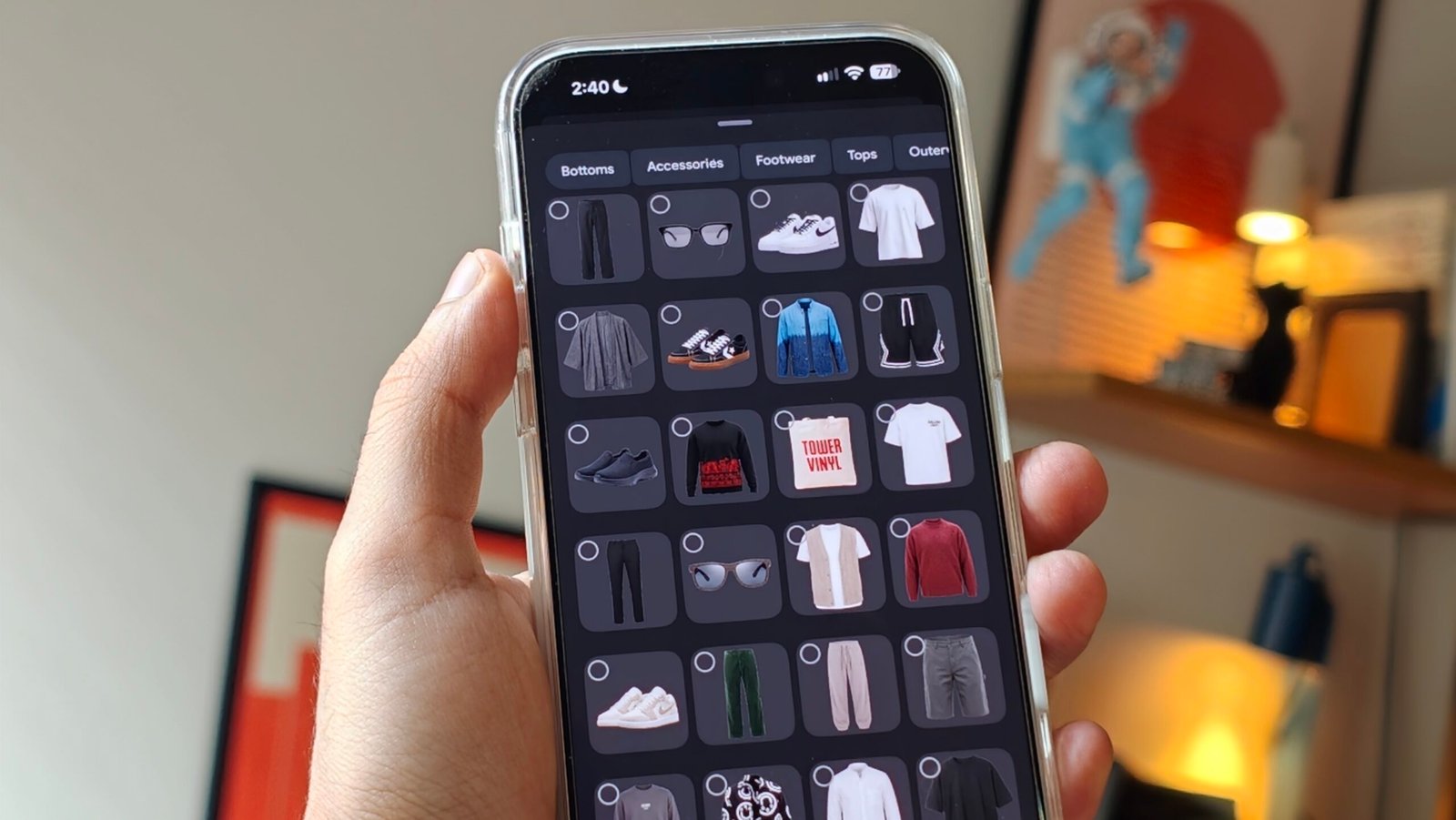
Google has launched a new feature in Google Photos that builds a virtual wardrobe from your photos. Inspired by the digital closet from the 1995 movie “Clueless,” this tool uses artificial intelligence to identify clothes you’ve worn in photos and organise them into a digital collection. You can then mix and match items to create outfits and even preview how they might look on you.
The feature started rolling out on Android in June for users in the United States, Brazil, and India. As of late September, it is also available on iOS in those countries. However, access is gradual and limited to eligible users, including those subscribed to Google’s AI Pro or Ultra plans, or those with enough photos in their library. It requires Android 10 or newer for Android users, while official iOS eligibility details are less clear.
Once set up, Google Photos scans your photos from the past four years to spot clothing items, which it sorts into categories like tops, bottoms, skirts, and jewellery. You can create outfits by selecting up to six pieces and save or share them. The app also offers a “try it on” feature that uses generative AI to show you wearing the chosen outfit. While this can be helpful for planning your look, early testing found the try-on function often struggled to generate images reliably, sometimes producing errors or failing to load.
Google emphasises that your clothing data isn’t shared with retailers or third parties, aiming to keep your style information private. The wardrobe feature comes alongside other Google Photos updates, such as improved photo editing tools and new AI-powered photo sharing options.
While this virtual closet could make getting dressed easier and more fun, it’s still a work in progress. Some users have reported issues, especially those using Google Workspace accounts, where the feature may not fully work or show warnings. If you’re curious, keep an eye out for the feature in your Google Photos app if you’re in the supported countries and meet the eligibility requirements.