

Heritage, Culture and Sport Should Be Seen as Economic Drivers, Says Minister McKenzie

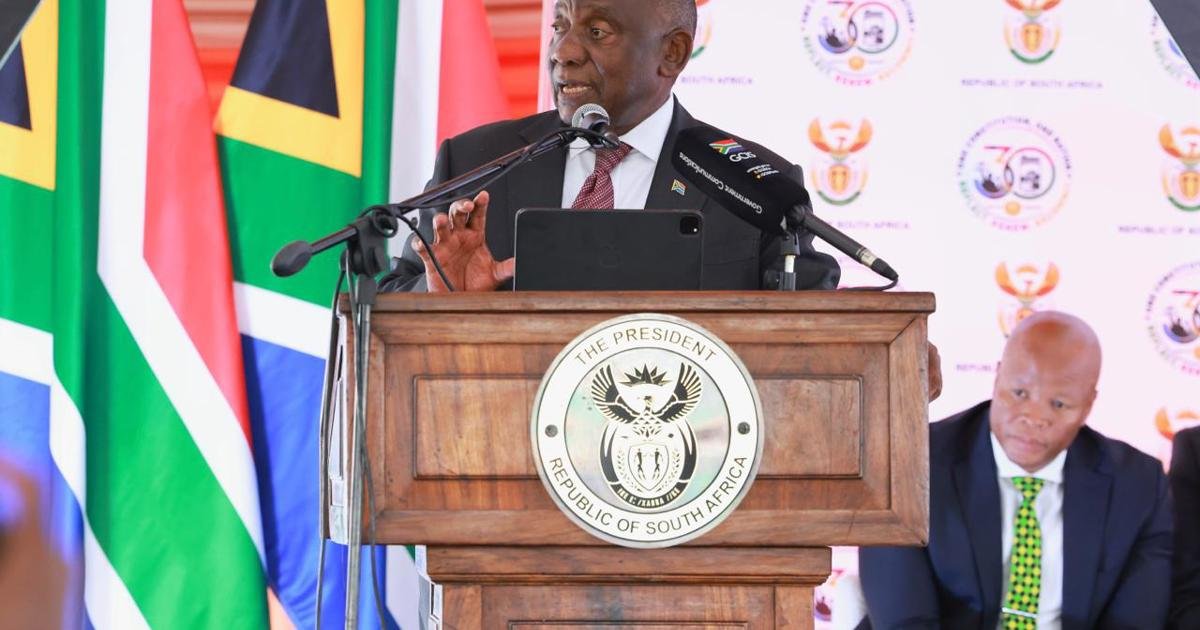
At the national Heritage Day celebration in Oudtshoorn on 24 September 2026, Minister of Sport, Arts and Culture Gayton McKenzie called for heritage, culture and sport to be recognised as important economic sectors. He said these areas are not just about entertainment but have real potential to create jobs and generate income, especially for young people.
McKenzie pointed out that government has often treated these sectors as leisure activities, missing the bigger picture of their business value. He used Oudtshoorn as an example, a town rich in history, minerals and natural attractions like caves. While the town faces economic challenges, its heritage and cultural assets could be better used to boost local development.
The Heritage Day event took place at Bongolethu Sport Stadium under the theme “Celebrating Our Living Heritage: Strengthening the Ties That Bind Us.” President Cyril Ramaphosa led the celebrations and delivered the keynote speech. The event was free to the public and could accommodate up to 5,000 people.
The venue for the national Heritage Day event changed twice before settling in Oudtshoorn. It was initially planned for KwaZulu-Natal to coincide with the Zulu nation’s uMkhosi weLembe festival, but the department decided to separate the two events to avoid overshadowing the cultural celebration. Then the event was moved to George but was relocated again to Oudtshoorn after George was unable to make the necessary arrangements on short notice. Oudtshoorn accepted the invitation despite the tight timeline.
This move also offers a chance to highlight the Klein Karoo region’s cultural and tourism attractions. The department emphasised that Heritage Day is a moment for South Africans to celebrate their diverse cultures and reflect on their role in nation-building.
While McKenzie’s remarks align with government views of culture and sport as contributors to economic growth, the details of how this recognition will translate into policy or funding changes remain unclear. The day’s celebrations underscored the value of heritage beyond just tradition, pointing to its role in providing jobs and supporting local economies.