

Nearly Two Million Evacuated as Typhoon Dujuan Brings Severe Weather to Eastern Japan

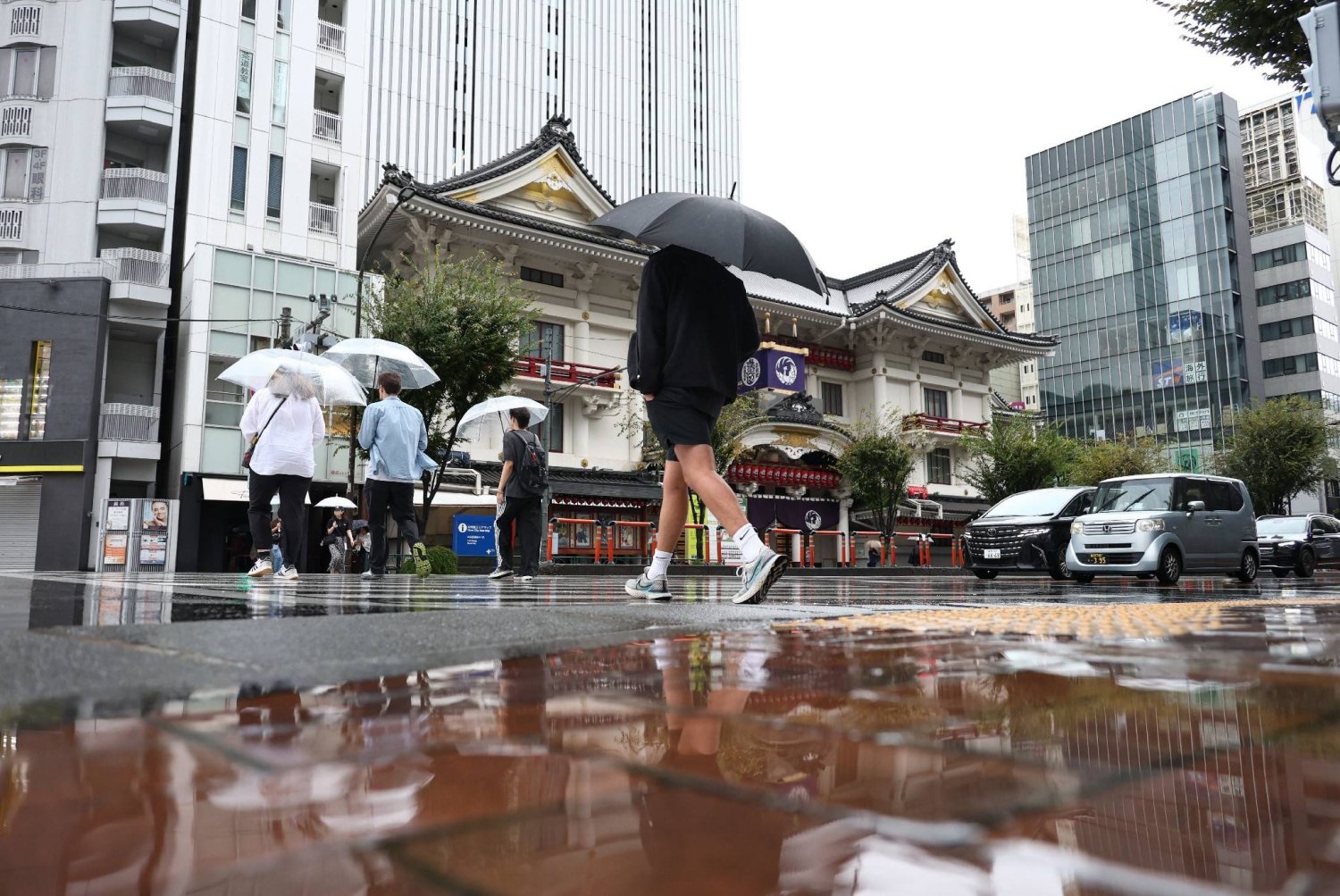
Typhoon Dujuan has prompted evacuation instructions affecting nearly two million people across eastern Japan, as it brought heavy rain, strong winds, and flooding risks during the country’s Silver Week holiday period. The storm, tracking along Japan’s Pacific coast, caused widespread disruption including power outages, transport cancellations, and event postponements.
SANDF Welcomes Over 2,500 New Recruits Following Historic Joint Basic Training Intake
According to Japan’s Fire and Disaster Management Agency, evacuation instructions covered 1,908,645 residents as of 8 p.m. JST on September 21. These orders spanned prefectures including Saitama, Ibaraki, Chiba, Tokyo, Kanagawa, and Shizuoka. The agency also reported one death in Nichinan, Miyazaki Prefecture, and ongoing rescue operations following landslides in Kanagawa Prefecture.
The Japan Meteorological Agency issued a Level 5 special landslide warning for Oshima Town in Tokyo, indicating an imminent life-threatening situation. Elsewhere, Level 4 warnings for landslides and flooding were in place in parts of the Kanto region, including Shinagawa Ward and Toshima Village, though some evacuation advisories were later lifted as conditions improved.
Typhoon Dujuan, the 25th named storm of the year, brought sustained winds estimated around 120 to 130 km/h, with gusts reaching up to 194 km/h at times, and heavy rainfall exceeding 300 millimetres in the Izu Islands and parts of Kanto and Tokai regions. The storm did not make a confirmed landfall on Honshu but skirted the eastern coastline, causing significant flooding and landslide threats rather than direct impact.
Disruptions were widespread: more than 50,000 households experienced power outages, hundreds of domestic flights were cancelled by Japan Airlines and All Nippon Airways, and rail services were suspended on key lines in Chiba, Ibaraki, and western Tokyo. Public events, including concerts at the Rock in Japan festival and programming at the Tokyo Game Show, were also cancelled for safety reasons.
Local governments established disaster-response headquarters to coordinate relief efforts, while residents were urged to stay vigilant, monitor weather updates, and follow evacuation guidance. Authorities emphasised the importance of early evacuation, especially for vulnerable populations, as the storm carried risks of flooding, landslides, and violent winds.
The typhoon’s severity has been linked to the ongoing “super El Niño” phenomenon, which has warmed Pacific waters and intensified storm activity this year. While climate change is not conclusively increasing the number of typhoons, it is contributing to stronger storms with heavier rainfall due to warmer ocean temperatures and increased atmospheric moisture.
As conditions began to improve in some areas, evacuation orders were lifted and shelters closed, but officials continued to advise caution given the potential for residual hazards. The full extent of damage and recovery needs is expected to become clearer in the coming days.