

Phil Vickery’s Transition from Rugby to Bodybuilding Amid Brain Health Challenges

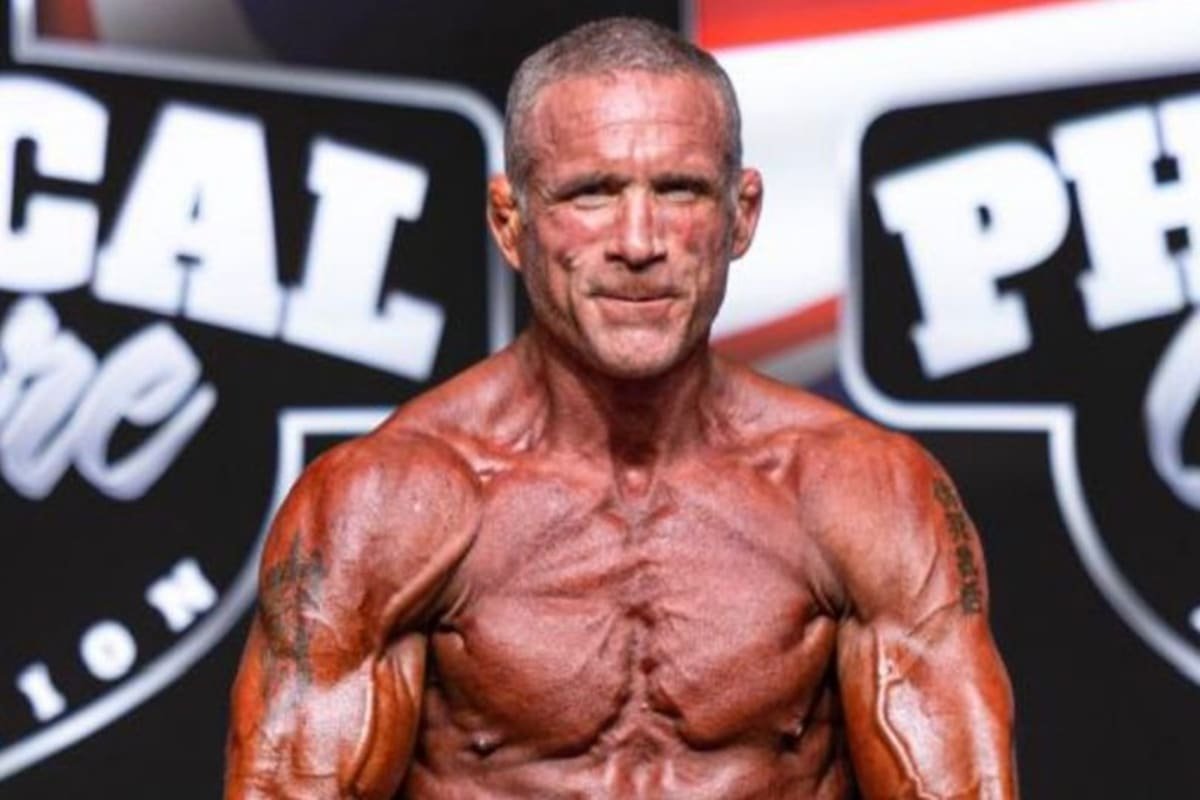
Phil Vickery, the former England rugby captain and 2003 World Cup winner, has embarked on a remarkable new journey as a competitive bodybuilder while managing significant health challenges linked to his rugby career. Now 50, Vickery has openly discussed his transformation and his probable diagnosis of chronic traumatic encephalopathy (CTE), a brain condition associated with repeated head impacts common in contact sports.
Vickery began bodybuilding about six or seven years ago after struggling physically and mentally following his retirement from professional rugby. Training at the Wolfpack gym in Gloucester under coach Chris Bradley, he found a renewed sense of purpose and camaraderie. Initially hesitant to compete, his coach encouraged him to enter a bodybuilding contest, which he did, overcoming nerves and self-doubt. In October 2026, Vickery took part in a Physical Culture Association (PCA) event in Hull, sharing photos of his participation on social media and reflecting on how weight training has helped him both physically and mentally.
His transformation goes beyond physical fitness. Vickery has been living with cognitive difficulties linked to probable CTE, a condition currently understood to result from repeated head impacts. Although definitive diagnosis of CTE can only be confirmed through post-mortem examination, Vickery’s brain scan and symptoms suggest he is affected. He has spoken candidly about memory problems and the emotional challenges he faces, emphasizing his determination to manage his condition positively.
To support his health, Vickery is undergoing baseline brain testing and has started oxygen treatment as part of his efforts to maintain wellbeing. Despite these hurdles, he remains committed to living life fully and embracing his new role in bodybuilding, which provides him with a sense of belonging and accomplishment reminiscent of his rugby days.
Vickery’s story also highlights broader concerns about player safety in rugby. He is among approximately 1,000 former rugby players involved in ongoing legal action against World Rugby, the Rugby Football Union (RFU), and the Welsh Rugby Union. The claimants allege that the governing bodies failed to protect players from long-term brain injuries caused by repeated concussions and head impacts. These injuries include conditions such as persistent post-concussion syndrome, CTE, early-onset dementia, Parkinson’s disease, epilepsy, and motor-neurone disease. The governing bodies deny any breach of duty of care, maintaining that risks were inherent in the sport. The litigation remains complex and is evolving, with recent court judgments noting changes in legal representation among claimants.
Reflecting on his rugby career, Vickery expresses no bitterness. He acknowledges the risks players faced but says he would play again if given the chance. His primary hope is that former players receive proper care and support as they confront health issues later in life. Vickery has emphasised the importance of raising awareness about brain injuries and ensuring that the voices of affected players are heard.
Phil Vickery’s transition from rugby champion to bodybuilder illustrates the complex interplay between sport, health, and personal resilience. His openness about probable CTE and his commitment to bodybuilding reveal a determination to adapt and thrive despite the challenges posed by his condition. His journey sheds light on the ongoing debate around brain health in contact sports and the need for continued support for former athletes.