

Senator Susan Collins Secures Partial Tariff Relief on Canadian Goods Ahead of Midterms

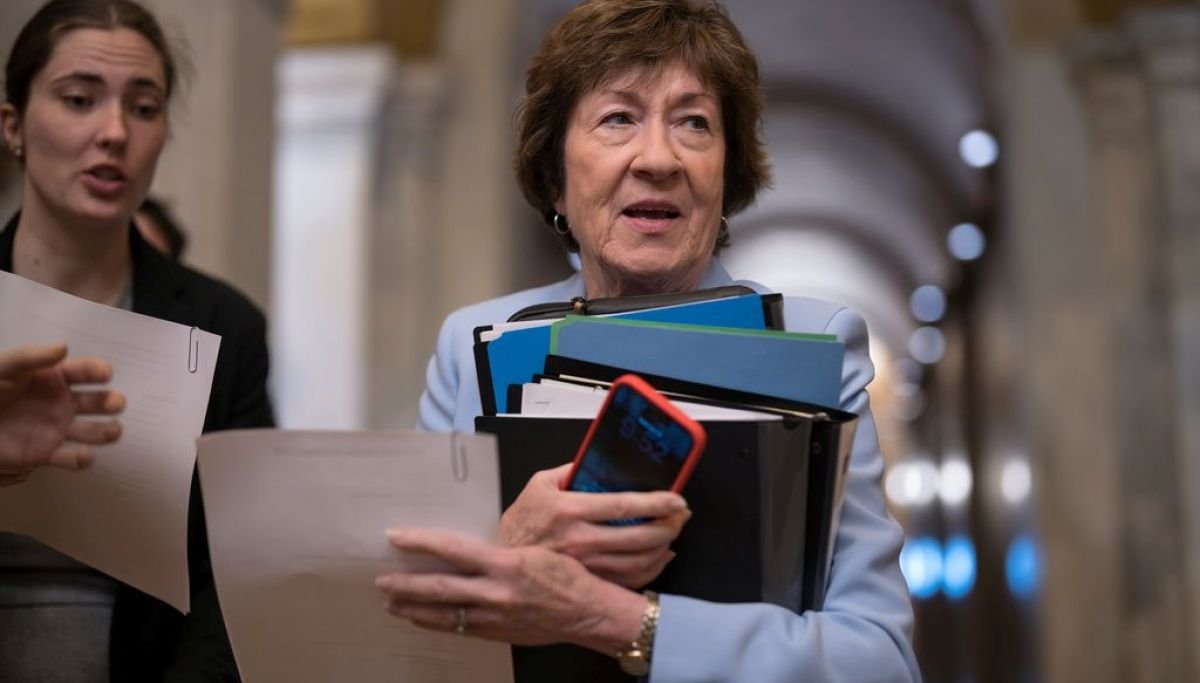
In a significant development just days before the 2026 US midterm elections, President Donald Trump signed a proclamation on October 23, 2026, modifying the scope of tariffs imposed on Canadian products. This move exempts certain Canadian goods from the 50% tariffs enacted earlier in the year, offering relief to sectors vital to Maine’s economy and potentially bolstering Senator Susan Collins’s tight reelection campaign.
The tariffs, originally imposed in August 2026 following a collapse in trade negotiations between the United States and Canada, targeted approximately $20 billion worth of Canadian imports. These measures were a response to perceived discriminatory trade practices by Canada, particularly related to motor vehicles and other products. Canada retaliated with its own tariffs on American goods, escalating tensions and impacting businesses on both sides of the border.
Senator Collins, a five-term Republican representing Maine, had repeatedly lobbied the Trump administration to ease the tariff burden on products crucial to the state’s agricultural and manufacturing sectors. On October 23, she announced that the administration agreed to exempt nine specific categories of Canadian goods from the tariffs, effective October 30, just four days before the midterm elections.
The exempted categories include corrugated paper cartons and boxes; plastic boxes, cases and crates; plastic packing bags and sacks; refrigeration and freezing equipment; agricultural cleaning, sorting and grading machinery; filling, sealing, closing and labelling machinery; packing and wrapping machinery; certain non-adhesive plates, sheets, film, foil and strip; and seaweed and algae products for human consumption. These goods are particularly important to Maine’s blueberry, potato, apple, and seaweed industries, many of which rely on Canadian-sourced equipment and packaging materials that have no affordable or readily available American alternatives.
While the administration removed these products from the tariff list, it simultaneously added other Canadian goods to maintain overall pressure. New tariffed items include carpets, valves, waste products, and various other categories. The White House stated that these adjustments serve to better protect American commerce while continuing to counter Canada’s discriminatory trade practices.
The timing of the tariff modifications has drawn considerable attention. Collins is engaged in a highly competitive race against Democrat Troy Jackson, with the outcome seen as pivotal for control of the Senate. The rollback on certain tariffs is viewed by some observers as a strategic move to assist Collins by addressing voter concerns about rising costs and economic disruption linked to the trade dispute.
Democrats have criticised the action as a last-minute political manoeuvre. Senator Ron Wyden, the top Democrat on the Senate Finance Committee, described it as a desperate attempt to salvage Collins’s campaign, highlighting widespread opposition to Trump’s tariff policies.
Despite the exemptions, the broader US-Canada tariff dispute remains unresolved. Many Canadian products, including automobiles, steel, and aluminium, continue to face high tariffs. Canada has maintained retaliatory tariffs on a range of American goods, although it has exempted American seafood in a move to protect Maine’s fishing industry.
The episode reflects a growing unease among some Republicans about the impact of Trump’s tariff policies, especially in states where cross-border trade is significant. Reports indicate other Republican candidates in border states like Michigan are also seeking relief from tariff-related economic pressures.
For now, the tariff exemptions provide some targeted relief to Maine’s farmers and businesses dependent on Canadian imports, but the overall trade tensions and political ramifications are likely to persist in the weeks ahead.