

FIFA President Gianni Infantino Maintains Strong Global Support Amid FFE Controversy

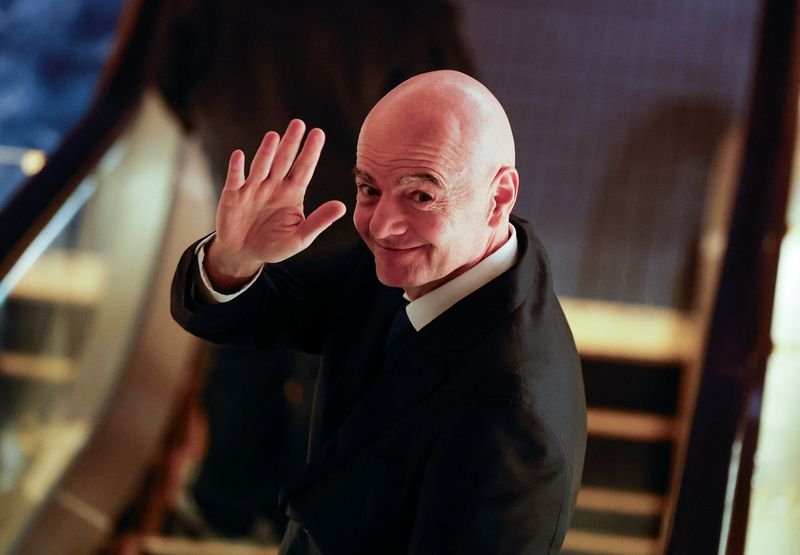
FIFA President Gianni Infantino has dismissed calls for his resignation following the collapse of his controversial FIFA Forward Enterprise (FFE) proposal, asserting that he continues to enjoy the backing of the majority of the world’s football associations. Speaking in an interview from Baku on October 24, 2026, Infantino said he had not considered stepping down and highlighted endorsements from key football confederations, notably the Asian Football Confederation (AFC) and all African football associations.
The FFE plan, which aimed to introduce private investment into FIFA’s commercial rights, including those linked to the FIFA World Cup, was withdrawn after widespread criticism. The proposal sparked significant concern over governance and transparency, particularly among European football bodies such as UEFA and some member associations. UEFA and others condemned the initiative as a breach of trust and called for an independent review and fundamental reforms within FIFA’s leadership structure.
In the interview, Infantino emphasised the diversity of opinions within FIFA’s 211 member associations but underscored the importance of respecting the will of the “vast, vast majority.” He recounted recent travels to Tokyo and Cape Verde, where he received full endorsement from the AFC and African nations respectively, strengthening his position ahead of the presidential election scheduled for March 2027.
Infantino acknowledged errors in how the FFE proposal was communicated and managed, apologising for these during a FIFA Council meeting in mid-October. At that meeting, FIFA also presented a new plan to boost football development funding to $6.35 billion for the 2027-2030 cycle, a significant increase intended to support grassroots and long-term projects worldwide. This initiative is subject to approval by FIFA’s governing bodies and member associations in the coming months.
Despite the withdrawal of the FFE plan, UEFA and several European national associations remain critical of Infantino’s leadership. UEFA’s representatives described the aborted sell-off as a “profound failure of judgement” and an abuse of presidential power. They maintain that the withdrawal alone does not restore their trust in FIFA’s governance and continue to demand a transparent investigation into the matter. UEFA has also pledged to work with other confederations to offer a credible alternative candidate should Infantino seek another term.
The controversy has exposed divisions within world football’s governing bodies, with European groups pushing for accountability and reform, while other regions rally behind Infantino. Concacaf, representing North and Central America and the Caribbean, initially criticised the FFE proposal for its lack of transparency and governance but welcomed its withdrawal. The confederation has called for FIFA to address accountability and leadership concerns through established institutional procedures.
The deadline for presidential nominations is November 18, 2026. To date, no alternative candidates have officially declared their intention to challenge Infantino, making his fourth term bid appear likely but not guaranteed. Infantino remains focused on uniting FIFA’s 211 member associations and advancing football development globally if re-elected.
As FIFA prepares for its 77th Congress in March 2027, the organisation faces the challenge of healing internal rifts and restoring confidence among its diverse membership while managing the legacy of the FFE controversy. The coming months will be critical in determining the future direction of football’s global governing body.