

OPINION: Let the people choose their mayors

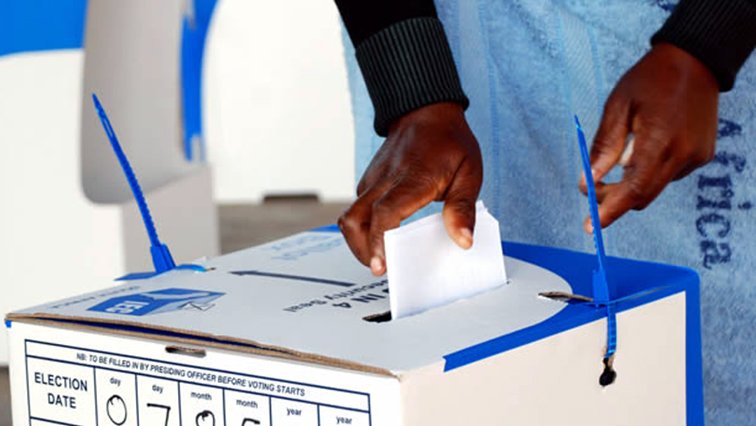
OPINION: Let the people choose their mayors. Skip to content Menu Home | OPINION: Let the people choose their mayors Person votes during elections.
What happened
Allowing voters to choose their mayors would send a powerful message that local government belongs to the people, not the political elite. Instead, parties select mayors, and municipal councils elect them after the election. Across the country, municipalities have experienced a revolving door of mayors. Coalition politics, internal factional battles, and party manoeuvring have often resulted in mayors being removed and replaced without any direct mandate from voters. A constitutional and electoral amendment allowing residents to vote for mayors would strengthen accountability.
A directly elected mayor would derive legitimacy from the people rather than from party caucuses or coalition agreements. In reality, many democracies around the world already allow citizens to elect their mayors directly, with positive results for accountability, visibility and voter engagement.
The wider picture
In the United States, residents in most major cities directly elect their mayors. So there is no compelling reason not to trust them to choose the individuals who run their cities. South Africans want to elect their mayors and policymakers directly; politicians must act now. The current election season demonstrates why reform is necessary. Image Credits : GCIS SABC News 16 September 2026, 09:00 [SAST] By Maswele Ralebona As South Africa heads towards the 2026 Local Government Elections (LGE), political parties are once again unveiling mayoral candidates for the eight metros and other municipalities.
The Democratic Alliance (DA), Economic Freedom Fighters (EFF), ActionSA, uMkhonto we Sizwe (MKP), Build One SA (BOSA) and others have all begun presenting their preferred faces to voters. Meanwhile, the African National Congress (ANC) has gone through an extensive process to identify potential mayoral contenders. But the growing spotlight on mayoral candidates raises an important democratic question: if political parties believe individual mayoral candidates matter enough to campaign on, why are ordinary citizens still denied the right to vote directly for them?
What has been reported
South Africans already elect ward councillors directly. Citizens know the person they are voting for, and that councillor is accountable to a clearly defined community. Yet when it comes to the mayor, arguably the most powerful political figure in local government, voters are largely sidelined. As a result, residents often learn only after voting who will govern their city. This disconnect has become one of local government’s biggest weaknesses. Residents who elected a council on one promise frequently find themselves governed by a mayor they never chose and cannot directly remove.
Political parties are investing considerable time and resources in announcing mayoral candidates well before polling day because they understand a simple reality: voters want to know who will run their city. This is why, whether it is Johannesburg, Tshwane, eThekwini or Cape Town, parties are increasingly centring local elections on mayoral hopefuls rather than abstract party brands.
What happens next
If voters are expected to evaluate these candidates, attend rallies, watch debates and assess their leadership credentials, then they should also have the power to elect them directly. In turn, the mayor would know that their political future depends on service delivery, clean administration and public confidence, not merely on maintaining favour with party structures. Such a system could also improve transparency. Citizens would have the opportunity to compare competing visions for their municipality. Candidates would need to present detailed plans on issues such as water provision, infrastructure maintenance, public safety, waste management and economic development.
Elections would become contests of ideas and leadership rather than internal party calculations. Those who oppose direct mayoral elections often present the idea as a dramatic departure from South Africa’s current local government model.