

Food Banks Face Crisis as Donations Drop and Costs Rise

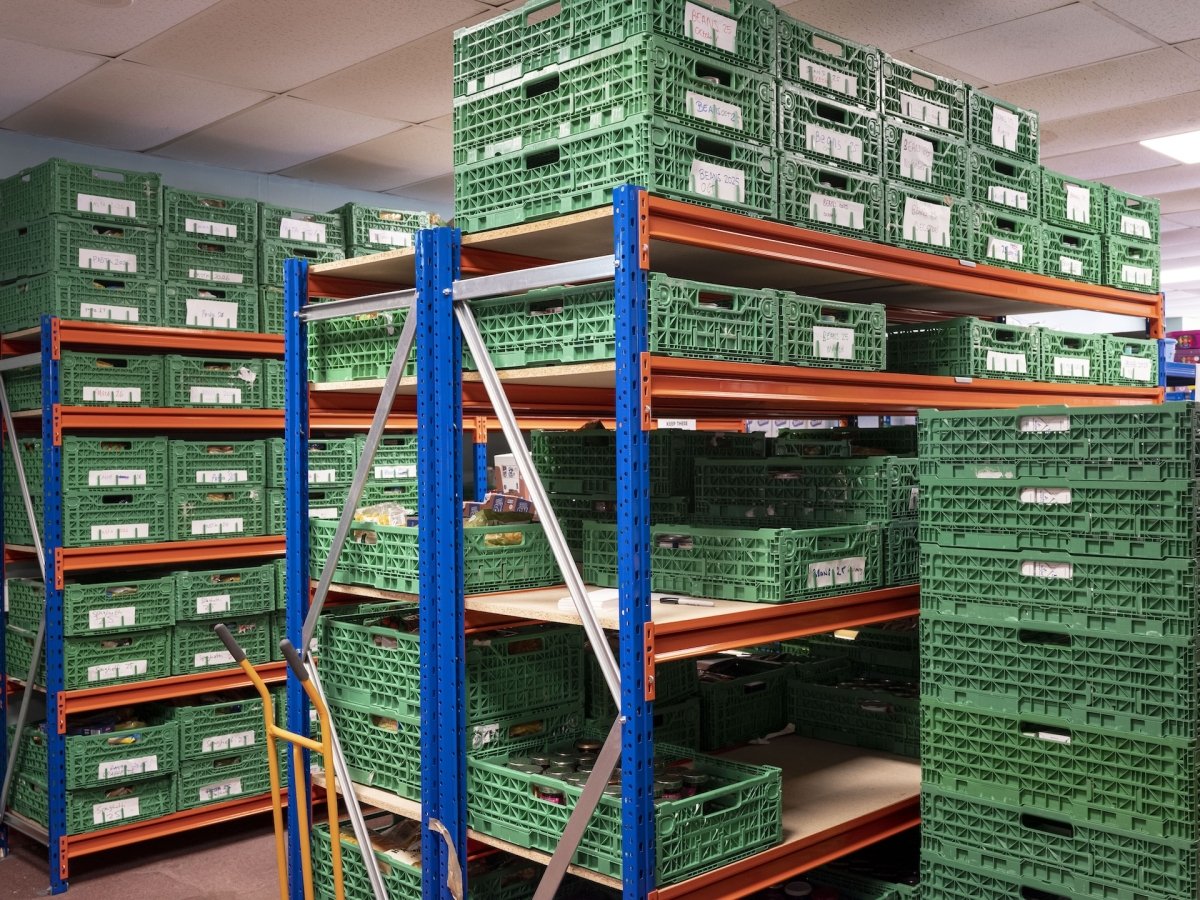
Food banks in Northern Ireland are struggling to keep up with demand as donations fall and operating costs rise. Some worry they may have to shut their doors if help doesn’t arrive soon.
At Enniskillen Foodbank, the project manager says they have enough funds to cover running costs for only about two more months. Meanwhile, the South-West Belfast Foodbank has had to cut down the size of the food parcels they give out because their stock is running low.
One big challenge is that many food banks now have to buy 30% to 50% of the food they hand out, instead of relying mostly on donations. This extra expense makes it harder for them to keep going.
Volunteers and staff feel the pressure as more families turn to food banks, often because they can’t afford basic items like food and heating. Rising energy bills have also hit charities, making it more expensive to stay open and provide support.
The Trussell Trust, a charity that supports many food banks, reports that over 67,000 food parcels were given out in Northern Ireland in 2025 alone. Across the UK, their network handed out more than 2.6 million parcels last year. Although this number is slightly down from the previous year, the need remains high.
Food banks are calling for more financial support from the public and government to avoid cuts in service or closures. They remind us that food banks are more than just places to get food—they offer comfort and hope to people going through tough times.
Those wanting to help can donate money or food to local food banks. Regular donations are especially important because they allow food banks to plan and keep their services running for longer.