

Andy Burnham Calls for Honest Debate on EU Free Movement

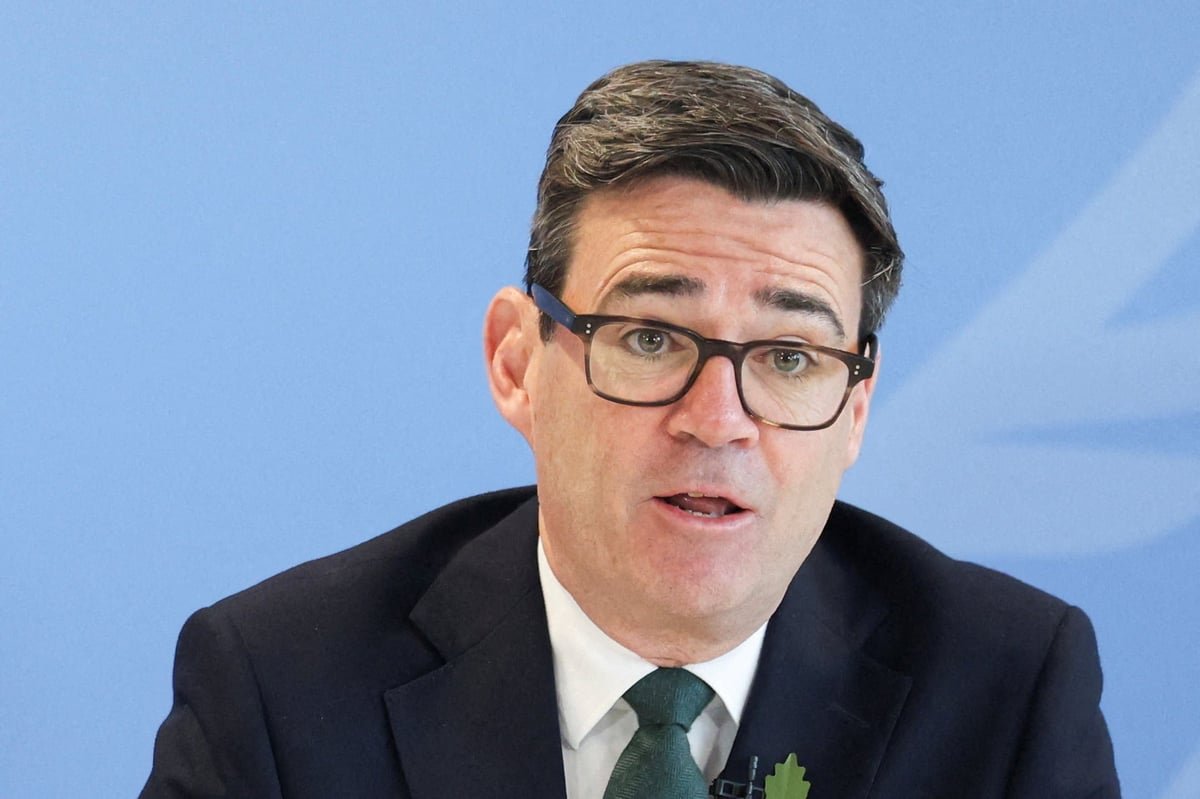
UK Prime Minister Andy Burnham has called for an open and honest discussion about the possibility of the UK returning to free movement with the European Union, a policy that allowed people to move freely between Britain and EU countries before Brexit.
Speaking in an interview with the Sunday Times in late October 2026, Burnham emphasised the need for a factual, evidence-based debate on the issue, rather than one driven by political opinions. He highlighted that migration patterns during the UK’s EU membership were different from those experienced today, noting that many migrants were younger individuals who stayed in the UK temporarily before returning home. Burnham described this as a “revolving door” migration that worked well for both migrants and British citizens who also lived and worked in Europe.
However, he acknowledged that free movement had presented significant challenges and that the balance of migration had changed since the UK left the EU. Burnham said it was important to have a clear and honest debate about these changes and what they mean for the country’s future relationship with Europe.
Burnham is considering several options for redefining the UK’s ties with the EU. These include rejoining the EU fully, joining the single market, or becoming part of the customs union. Single market membership would typically require accepting free movement of people. Despite this, Burnham explicitly ruled out the UK joining the Schengen Area, which allows passport-free travel across many EU countries, and adopting the euro currency.
These remarks come ahead of a planned UK-EU summit scheduled for 20 November 2026 in Brussels. At the summit, Burnham will meet with European Council President António Costa and European Commission President Ursula von der Leyen to discuss ways to enhance cooperation on trade, agriculture, security, migration, and crime. The UK government has stated that the summit will focus on practical cooperation to cut costs and red tape for British farmers and businesses, support industry, and boost economic growth.
Burnham plans to use the summit to present different options for the future UK-EU relationship to the British public. However, he has previously committed to Labour’s 2024 election manifesto, which ruled out the return of free movement, single market membership, or customs union membership. Any major changes to the UK’s relationship with the EU would likely require approval in a future general election, expected by 2029.
The prime minister’s openness to discussing free movement has sparked strong reactions. Nigel Farage, a prominent Brexit supporter and leader of Reform UK, described Burnham’s remarks as a “total betrayal” of voters who supported Brexit, including those in Burnham’s own constituency of Makerfield, which voted to leave the EU in 2016. Farage also disputed Burnham’s characterisation of earlier EU migration as different, calling it dishonest.
Similarly, Conservative shadow home secretary Chris Philp criticised the idea of returning to free movement, arguing that it would mean handing back control of UK borders and allowing uncontrolled migration from Europe. Philp reiterated that the British public voted to end free movement in the 2016 referendum and that there can be no return to it.
The debate over migration and free movement remains one of the most sensitive and politically charged topics in the UK. It was a central issue in the 2016 Brexit referendum and continues to influence political discourse and policy considerations today.