

COPE Signals Openness to Coalitions Ahead of 2026 Local Government Elections

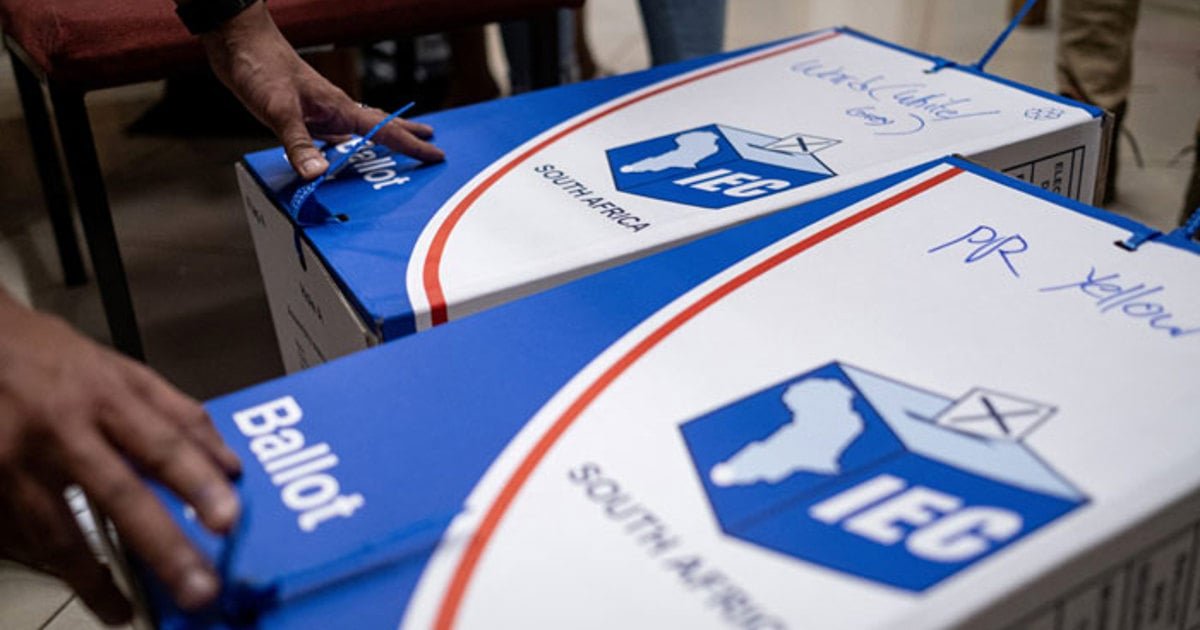
As South Africa approaches its local government elections scheduled for 4 November 2026, the Congress of the People (COPE) has indicated its readiness to engage in coalition talks with any political party. This position was articulated by COPE’s Gauteng provincial chairperson, Thomas Mofokeng, who emphasised that the party evaluates potential coalition partners based on shared interests rather than ideological alignment alone.
Coalition governments have become an entrenched feature of South Africa’s municipal landscape, particularly in major metropolitan areas such as Johannesburg and Tshwane. Recent polling data from multiple sources, including the Social Research Foundation, Markdata, Ipsos, and Sabi, suggest that many councils are likely to emerge from the 2026 elections without a clear majority. This scenario necessitates power-sharing arrangements, making coalitions a practical necessity rather than an exception.
Mofokeng’s comments came in the context of the Tshwane mayoral process, where COPE’s councillor Ofentse Moalusi was nominated as a mayoral candidate by a coalition led by the African National Congress (ANC) and the Economic Freedom Fighters (EFF). Moalusi’s nomination followed a contentious episode involving the withdrawal of a previous COPE councillor, Justice Sefanyetso, amid internal party disputes and questions regarding candidate vetting procedures. Sefanyetso’s removal highlighted ongoing challenges within COPE related to candidate eligibility and party discipline.
Despite these internal tensions, COPE maintains a pragmatic approach to coalition-building. Mofokeng noted that the party has previously supported the Democratic Alliance (DA) in several Western Cape municipalities, demonstrating flexibility in forming alliances across the political spectrum. He stressed that COPE’s decision to partner with any party hinges on identifying common goals that can advance effective municipal governance.
Political analysts and research institutions corroborate the growing importance of coalitions in South African local government. The Mapungubwe Institute for Strategic Reflection’s (MISTRA) Coalitions Barometer, which monitors coalition administrations across the country, reports that 80 hung councils and 179 coalition or minority administrations have been tracked between November 2021 and February 2026. This dataset underscores the complexity and fluidity of coalition politics, where stability varies but coalitions remain a dominant mode of governance.
Parliament is also responding to this evolving political environment. The Municipal Structures Amendment Bill (B23-2026) currently before Parliament aims to formalise procedures for coalition agreements and clarify processes related to the appointment and removal of municipal office bearers. These legislative efforts seek to enhance the stability and accountability of coalition governments.
With the election date officially gazetted by the Minister of Cooperative Governance and Traditional Affairs, Velenkosini Hlabisa, the Independent Electoral Commission (IEC) has closed the voters’ roll, marking the formal start of the election period. Voters should anticipate that no single party may secure outright control in many municipalities, resulting in coalition negotiations to form local administrations.
The success of these coalitions will largely depend on the willingness of parties to cooperate and prioritise service delivery amidst political diversity. While COPE’s openness to work with all parties, including the ANC, reflects this pragmatic stance, internal party disputes and candidate vetting controversies illustrate the challenges that underpin coalition politics behind the scenes.
For South African voters, coalitions represent both an opportunity and a challenge: an opportunity for diverse political voices to share power and influence municipal governance, and a challenge to ensure that such power-sharing arrangements translate into effective and stable service delivery. As the 2026 elections draw near, the dynamics of coalition formation will be closely watched by political stakeholders and the electorate alike.