

Airfares Rise Sharply as Fewer Passengers Fly, But Airlines Stay Confident

Air travel is facing a curious moment. This year, fewer people seem to be flying, yet airlines are reporting record revenues thanks to rising ticket prices. The main reason? Soaring fuel costs have pushed airlines to charge more, and passengers are mostly paying up without cutting back much on their travel plans.
Jet fuel prices have nearly doubled since early 2026. Back in February, before the conflict between the US and Iran began, fuel cost about $2.43 per gallon. Now, it’s over $4.60 per gallon—one of the biggest expenses for airlines. To cover these higher costs, airlines have raised fares sharply. In September, for example, US airline ticket prices were up more than 22% compared to the previous year.
Despite the higher prices, the number of people flying is not dropping dramatically. Data from different sources paints a mixed picture. The Transportation Security Administration (TSA) recorded about 2.9% fewer people passing through airport security checkpoints in the third quarter of 2026 compared to a year earlier, suggesting a slight decline in air travel.
On the other hand, United Airlines reported carrying 2.4% more passengers in the same period, and the Airlines Reporting Corporation (ARC), which tracks ticket sales through travel agencies, showed a 3.5% rise in passenger trips. These differences come from the way each source measures travellers—security checkpoint counts versus airline passenger counts and agency ticket sales—so the exact trend is not crystal clear.
Airline executives say they are choosing to focus on making more money per passenger rather than filling every seat. This means they prefer to keep fares high even if it means flying with some empty seats. Delta, American, United, Southwest, and other major US airlines have all emphasized protecting their profit margins by raising prices and managing capacity carefully.
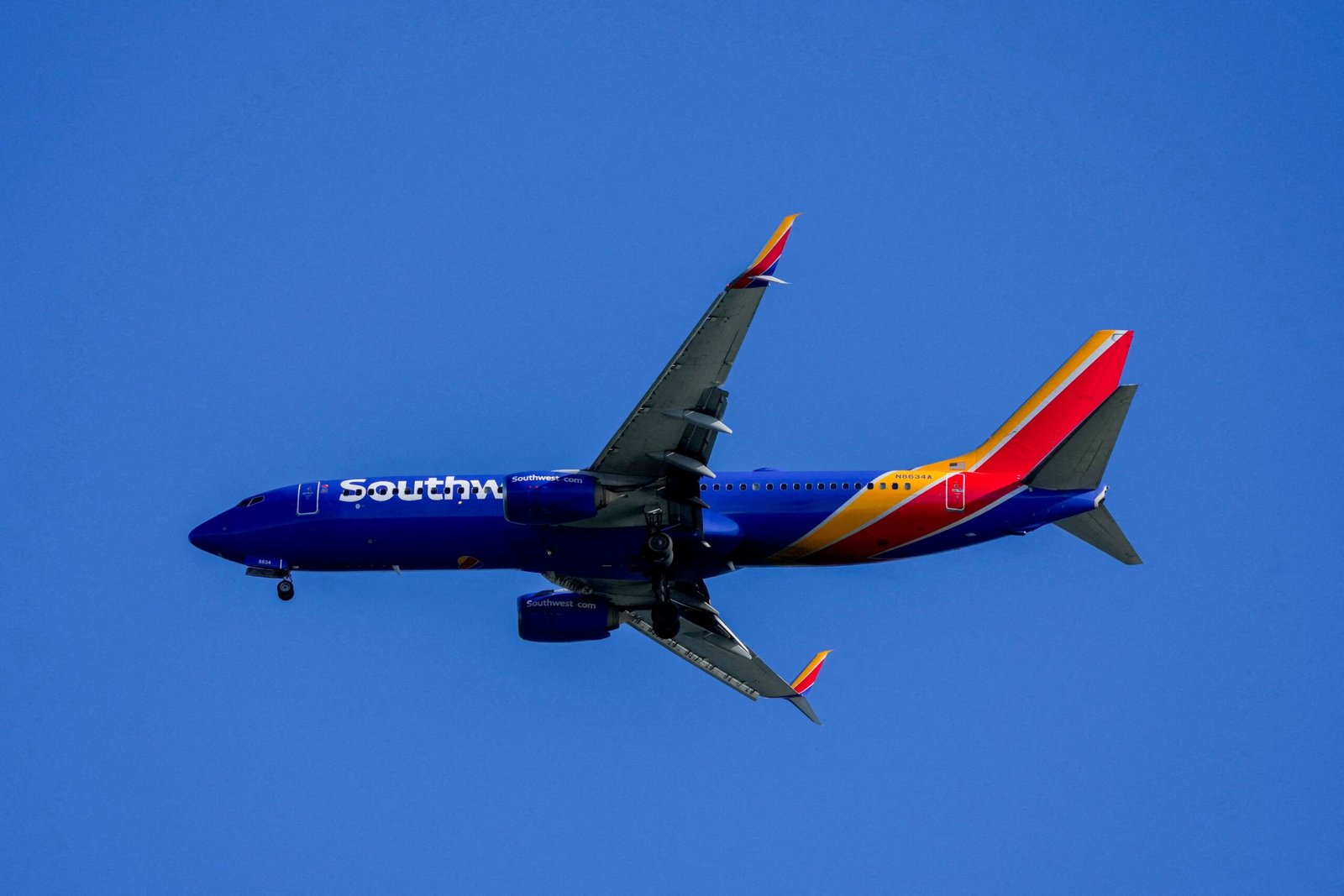
For example, American Airlines’ passenger planes flew less full in the third quarter than the previous year, but the revenue they earned per seat increased sharply. Southwest Airlines reported its highest-ever passenger revenue and ticket prices, although the number of passengers fell slightly.
The demand for premium seats like business and first class remains strong, helping airlines boost revenue. United Airlines said premium revenue grew 17% year over year, while American Airlines reported a 23% jump in premium revenue. Many travellers seem willing to pay more for a better experience, even as economy fares rise.
Still, all this comes with challenges. Higher fuel costs have squeezed profits, forcing some airlines to lower their earnings forecasts. Delta expects to absorb a $6 billion increase in fuel costs this year but still aims for significant profits. American Airlines reported a loss for the year despite higher revenues, mainly due to fuel expenses.
Looking ahead, airlines plan to increase the number of flights in early 2027, which might make it harder to keep fares high. But they say they will continue to manage capacity carefully to protect profits. Some carriers have also slowed down growth plans or cut back on expanding their fleets to avoid flooding the market with too many seats.
In short, airfares have gone up a lot, fewer people may be flying, but airlines are making more money per passenger. They believe travellers are still willing to pay for the convenience and premium services they offer. Whether this balance will hold as fuel prices stay high and competition returns remains to be seen.