

What to Expect in Chancellor John Healey’s First Budget on 28 October

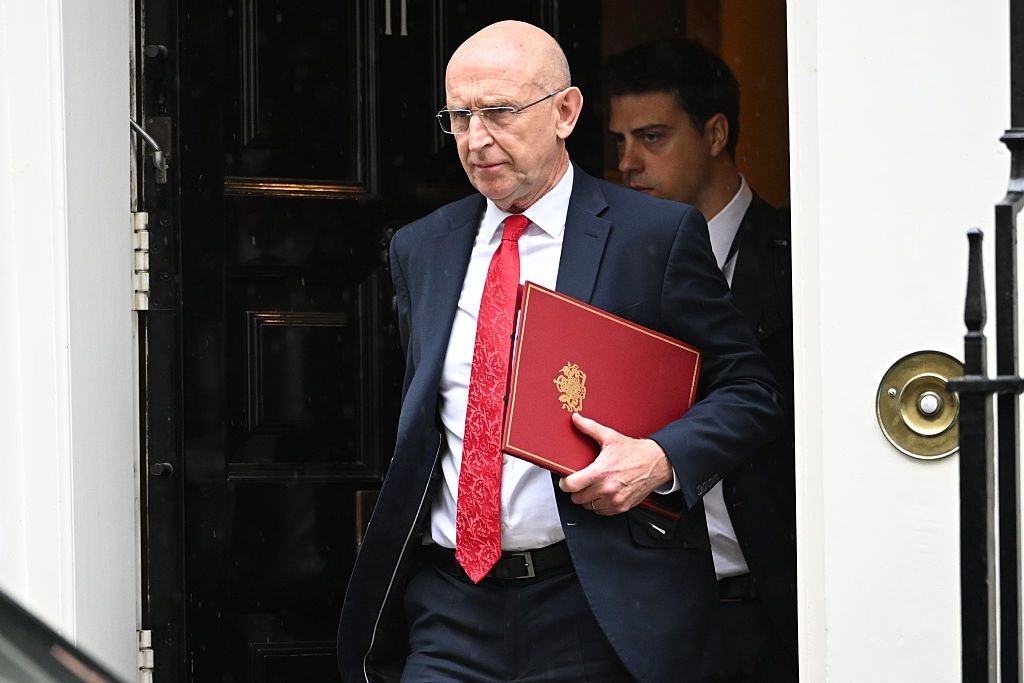
Chancellor John Healey is set to deliver his first UK Budget on 28 October. This will outline the government’s plans for taxes and spending, but many details remain uncertain as Healey faces a tough balancing act.
The government wants to support households and invest more in defence and regional growth. At the same time, it has promised not to raise income tax, National Insurance, VAT, or corporation tax rates, as committed in Labour’s 2024 manifesto.
Healey has said he aims to stick to fiscal rules, which include not borrowing to pay for day-to-day spending by the end of this parliament and getting government debt to fall as a share of national income. But rising borrowing costs and global economic uncertainty, including the impact of the war in the Middle East, make this challenging.
To create room for spending without raising those main taxes, the government is considering other options. These could include changes to capital gains tax, property taxes (such as the so-called mansion tax), or even a wealth tax. However, no specific changes have been announced yet, and Healey has declined to comment on tax policy ahead of the Budget to avoid speculation.
Alongside tax plans, the Budget may detail further support for jobs and skills. The government has already committed to using the National Wealth Fund to support 130,000 new jobs and expand local apprenticeship programmes. There is also a focus on devolving more investment power to regions to help stimulate local economies.
One new housing scheme called “Your First Home” aims to help first-time buyers by requiring just a 2.5% deposit, coupled with a government loan covering 20% of the property’s value. This could make it easier for people to get on the property ladder.
Healey’s government also recently removed VAT from domestic electricity bills as a short-term cost-of-living measure. Longer-term energy support, fuel duty, and other cost-of-living issues are expected to be addressed in the Budget.
Overall, the Budget will come amid economic pressures from high inflation, borrowing costs, and uncertain global events. The Office for Budget Responsibility will publish its economic forecast the same day, which will help clarify the government’s financial position.
For now, Healey remains focused on balancing the need to invest in growth and public services with maintaining fiscal discipline, but the details will only become clear once the Budget is announced.