

More Students Staying at Home to Cut University Costs

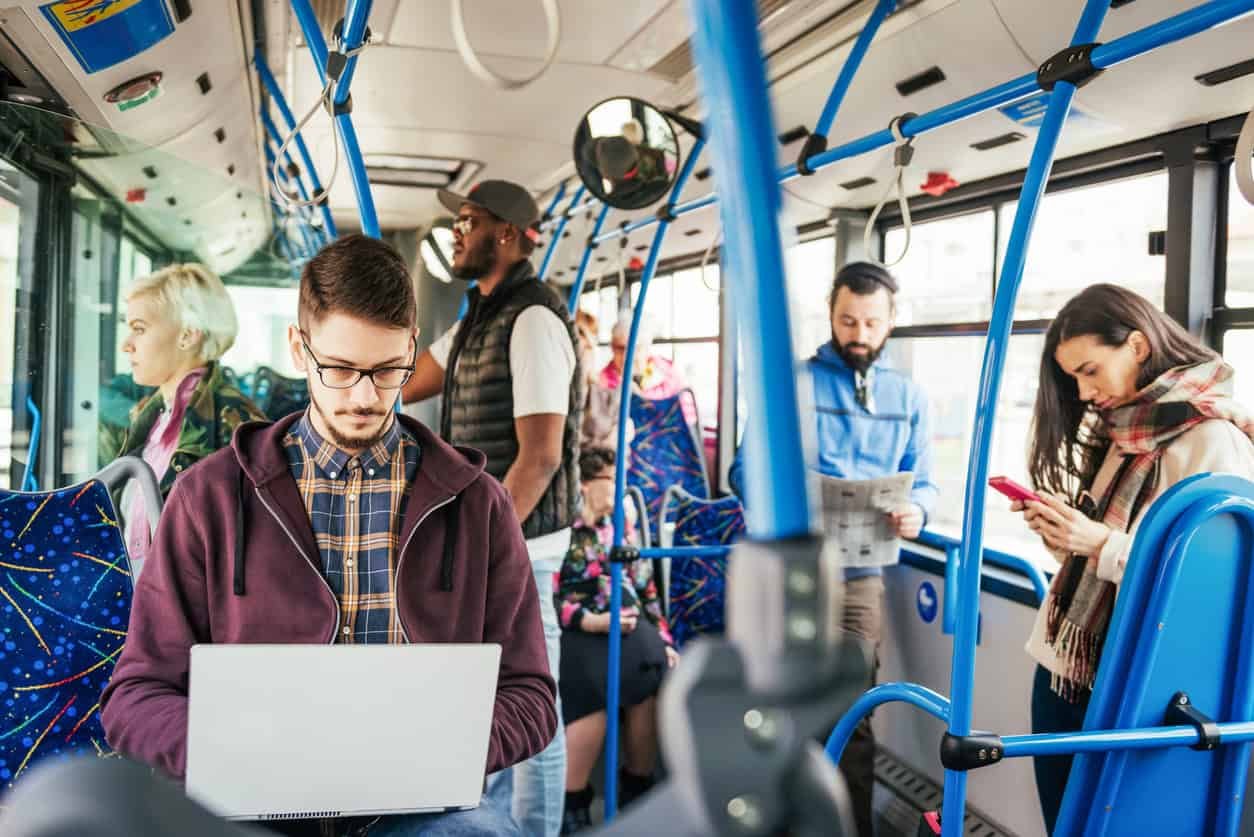
Going to university has often meant moving out and living independently. But these days, many young people are choosing—or needing—to stay at home and commute to campus instead. The main reason? The rising cost of living and expensive student accommodation.
Data from the Universities and Colleges Admissions Service (UCAS) shows that the number of students planning to live at home while studying has grown significantly. In 2017, about 535,000 students intended to live at home during their studies. By 2026, that number is expected to rise to around 748,000, nearly a 40% increase.
Staying at home helps students save money on rent and other living costs. For example, Bethany Fearn, a law student, explains that living at home and driving to university is much cheaper than living on campus. She also says she still feels involved in university life despite not living in halls.
Another student, Ez Spring, who studies sports therapy, drives 40 minutes each way but finds benefits in living at home. She enjoys being close to family and keeping a part-time job. However, commuting can have its challenges, including long travel times and dependence on transport links.
The Higher Education Policy Institute notes there are over 700,000 commuter students in the UK. While living at home reduces accommodation costs, many still face financial pressures, which can affect their mental health. Reliable and affordable transport is crucial to support these students.
Universities are aware of this trend and are adjusting. Some are reducing the number of required days on campus or offering different accommodation options to help. But the rising cost of living remains a big factor pushing more students to live at home.
UCAS also shows that students from disadvantaged backgrounds are more likely to stay at home. For example, over half of students from the most disadvantaged areas plan to live at home, compared to less than 20% from the least disadvantaged.
Government support, like maintenance loans, is higher for students living away from home, but many still find it hard to cover all costs. This growing trend of commuter students could change how universities and students approach university life in the years ahead.