

Why It Seems Like Great White Sharks Are Overrunning Maine

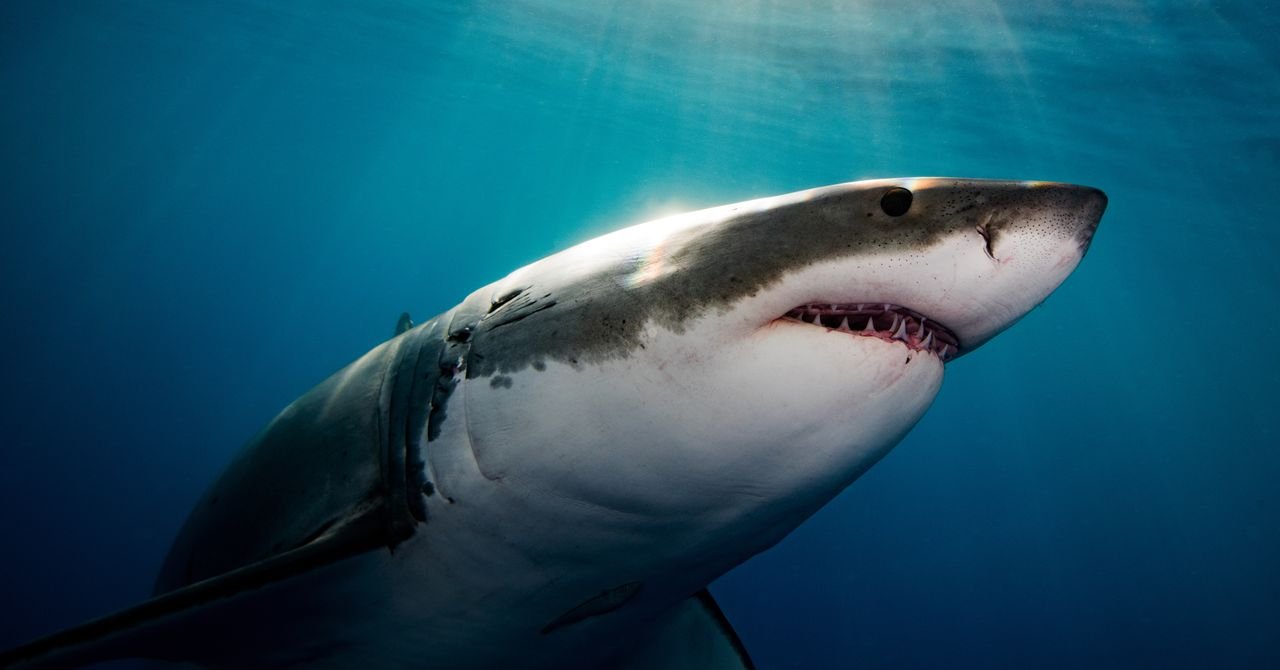
Why It Seems Like Great White Sharks Are Overrunning Maine. It was a busy summer for shark sightings along the rest of the East Coast, but Maine, in particular, seems to have had a great white bonanza.
What happened
The incident is one in a long line of great white sightings off the coast of Maine this year. The sharks followed beachgoers through the end of summer: A great white was spotted off Wells Beach over Labor Day weekend, while a fisherman caught another on the holiday about 30 miles down the coast. But Davis and Walter Golet, an associate professor at the University of Maine School of Marine Science who collaborates on shark research, both believe that there were more great whites off the coast this summer compared to decades past.
While climate change has driven massive changes in the ocean, including pushing many species northward as waters warm, its direct effect on great white sharks is a little more murky. Davis says that the knock-on effects of climate change—like warmer ocean temperatures changing certain prey species’ habitat range—are more likely to impact great whites than the hotter ocean temperatures do. While a bunch of sharks cruising the Maine coast may seem ominous, it’s actually a sign of a conservation success story.
Wilfert, a lifeguard of 55 years, told local news outlet WFSB that he first thought he’d gotten caught on a boat propeller, but the real culprit was a great white shark.
The wider picture
But experts told WIRED that the reason for our recent glut of shark encounters is a lot more complicated than just attributing them to climate change, especially when it comes to great whites. Instead, a successful conservation effort decades ago is likely starting to pay dividends, coupled with more people bringing technology that can spot sharks to the beach. When Steven Spielberg’s classic movie Jaws came out in 1975, great whites were in trouble. Great whites males take 26 years to reach adulthood, while females can take up to 33 years.
That timeframe aligns with when federal protections were put in place and could help explain why more sharks are showing up off of Maine. Some research has suggested that great whites could suffer from very hot ocean temperatures by causing them to overheat and forcing them to slow down or move to colder water to seek food. But James Sulikowski, the director of the Coastal Oregon Marine Experiment Station at Oregon State University, emphasizes that great whites can control their body temperature, which enables them to withstand much larger ranges in ocean temperatures than other shark species.
Prey species may “hang around a little bit longer because the water is going to be a little bit warmer,” he says, which could mean great whites spend more time in areas they previously would’ve been in for only a few months.
What has been reported
Skip to main contentSave this storySave this storyLifeguard Greg Wilfert was swimming off the coast of Scarborough, Maine, in August when he was yanked underwater by a force tugging on his rescue buoy. A dozen sightings were reported in a two-day period near Pine Point Beach in southern Maine in August. The waters off the coast of Maine are some of the world’s fastest-warming, and the Atlantic has seen a series of marine heat waves.
In the 1990s, federal protections were instated for both the sharks and for gray seals, one of their key prey species. Maine’s state shark monitoring system uses a technology called acoustic telemetry, which outfits the animal with a tag that emits a unique electronic signature. Underwater stations can then pick up on that signal and log the tagged sharks, helping track their movement up and down the coast. Maine’s program is less than a decade old, and “not every shark is tagged,” says Matthew Davis, a shark expert at Maine’s Department of Natural Resources.
Research generally backs this up: Multiple studies have found that protections for both sharks and seals helped to increase populations along the East Coast.
What happens next
All three experts say that the raft of shark sightings in Maine this summer may just be a result of people going outside with better, more technologically advanced eyes on the ocean. “I think we’re all sort of a prisoner of our own timeline. ”CommentsBack to topJoin the discussionCommentsBack to topYou Might Also LikeIn your inbox: WIRED's most ambitious, future-defining storiesAI slop backlash is actually having an impactBig Story: The cop who took on FlockThe rise of the 1am job interviewWatch: I stole a car by hacking this hidden deviceMolly Taft is a senior writer for WIRED, covering climate change, energy, and the environment.
“Everyone you talk to is like, ‘Shit, man. ’”Molly TaftA One-Two Punch Has Atlantic Hurricane Season on the RopesEl Niño coupled with Saharan dust is making this year’s hurricane season a dud. Molly TaftHow an Orangutan Breeding Program Is Creating a Baby BoomThe success of a program linking zoos across the US has created social media stars and generated a wave of interest in how to protect the endangered great apes in the wild.
Caroline ReillyWith a Better Understanding of Physics, We Could Predict Volcanic Eruptions“There’s no reason we can’t think that, at some point in the future, we can have volcano forecasts that are like weather forecasts. ”Robin George AndrewsHow Rising Temperatures Likely Contributed to Nepal’s Deadly FloodClimate change is causing glaciers to retreat and become less stable, upping the odds of catastrophic collapses. The Conspiracy Theories Are More Rampant Than EverExperts say conspiracy theorizing about the identity and motive of Charlie Kirk’s killer will likely continue for a long time to come.
“China is very unlikely to join a global agreement, as you know,” Sacks wrote.
The report has been compiled by The Daily Waves using information reported across wired.com, theguardian.com. Details are presented according to the information available at the time of publication and may change as authorities, organisers or other relevant parties provide updates.