

Kevin Warsh Pushes for Overhaul of Fed Inflation Metrics Ahead of Key Policy Shift

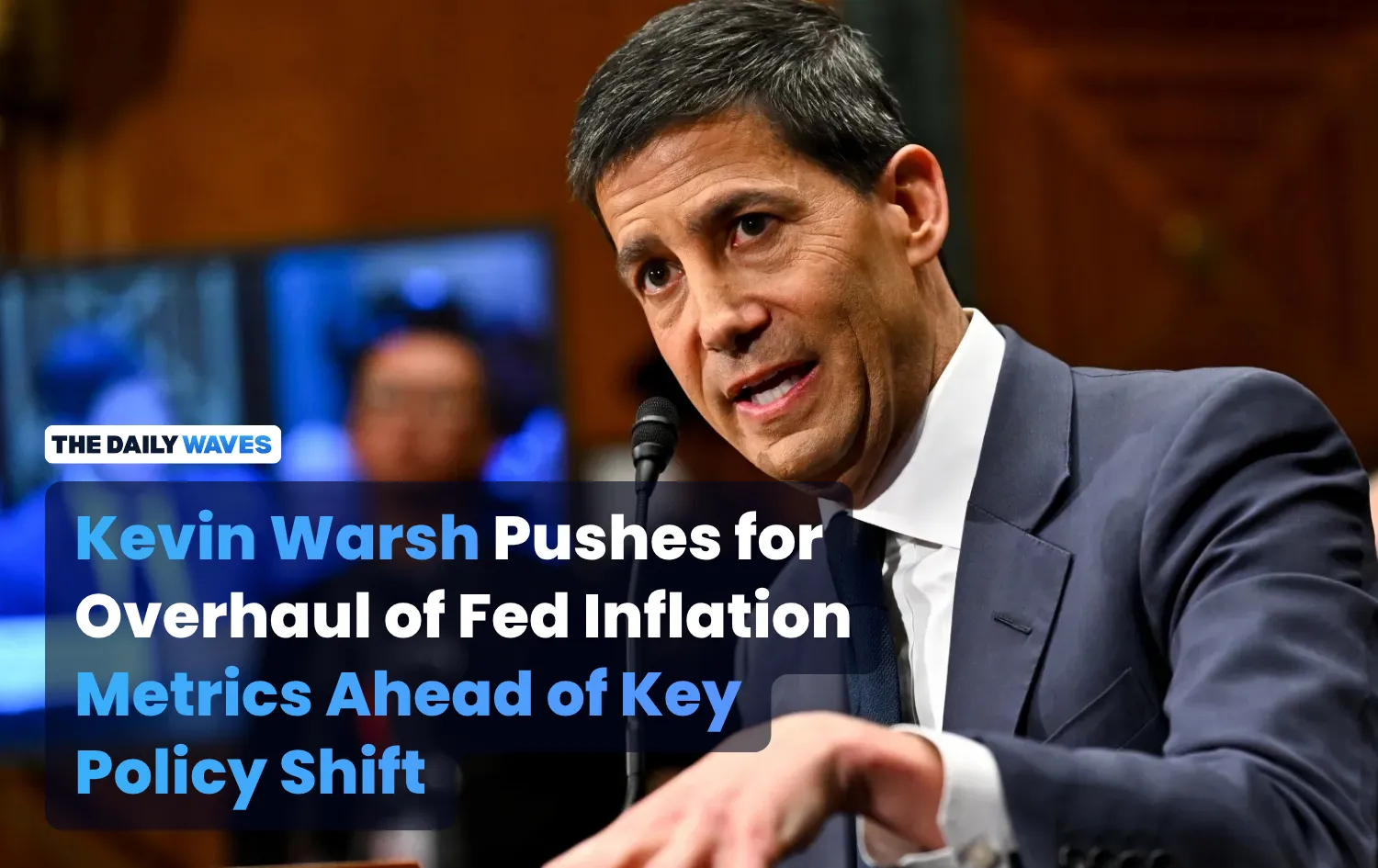
A potential shake-up in how the U.S. tracks inflation is taking center stage as Kevin Warsh outlines a new vision for monetary policy. During his confirmation hearing, the Federal Reserve chair nominee signaled he wants a fundamental rethink of how price pressures are measured.
At the heart of the debate is the Personal Consumption Expenditures index, the Fed’s preferred inflation benchmark. Warsh argued that the index offers only a partial picture of price trends, particularly when volatile categories such as food and energy are stripped out.
His alternative centers on so-called “trimmed” inflation measures. These metrics filter out extreme price movements—both upward and downward—to present what proponents view as a clearer signal of underlying inflation. Regional Federal Reserve banks, including Dallas and Cleveland, already publish versions of these indicators.
Recent data suggests these trimmed measures paint a more optimistic picture. Readings from the Dallas Fed and Cleveland Fed show inflation levels below the standard core PCE figure, indicating price pressures may be easing more than headline numbers suggest.
Warsh’s position has drawn both interest and skepticism. Loretta Mester noted that while examining multiple data points is standard practice, relying too heavily on selective measures could introduce bias. Trimmed metrics, she warned, may systematically understate inflation due to the way they exclude outliers.
The implications extend beyond academic debate. Inflation data directly informs decisions at the Federal Reserve, shaping whether policymakers raise interest rates to cool the economy or ease conditions to support growth.
Market participants are especially sensitive to any shift in methodology. Analysts caution that adopting alternative metrics could be interpreted as moving the goalposts—particularly if traditional indicators remain elevated.
Warsh has also proposed a broader data overhaul. He suggested leveraging vast datasets, potentially analyzing billions of price points across both government and private sources, to produce a more precise median measure of inflation.
Beyond measurement changes, Warsh reiterated his preference for a smaller central bank balance sheet. He argued that reducing the Fed’s holdings over time could allow for lower interest rates while maintaining control over inflation. In his view, rate adjustments remain a more effective and equitable tool than large-scale asset holdings, which tend to benefit investors more directly.
Any such changes would require consensus within the Federal Open Market Committee, meaning Warsh would need support from fellow policymakers to implement his agenda.
With inflation still running above target and economic uncertainty lingering, the debate over how to measure price growth is gaining urgency. Warsh’s proposals, if adopted, could reshape not just policy decisions—but how markets interpret the health of the U.S. economy.