

Iran Conflict Could Drive Food Prices Higher, But Shoppers May Not Feel It Yet

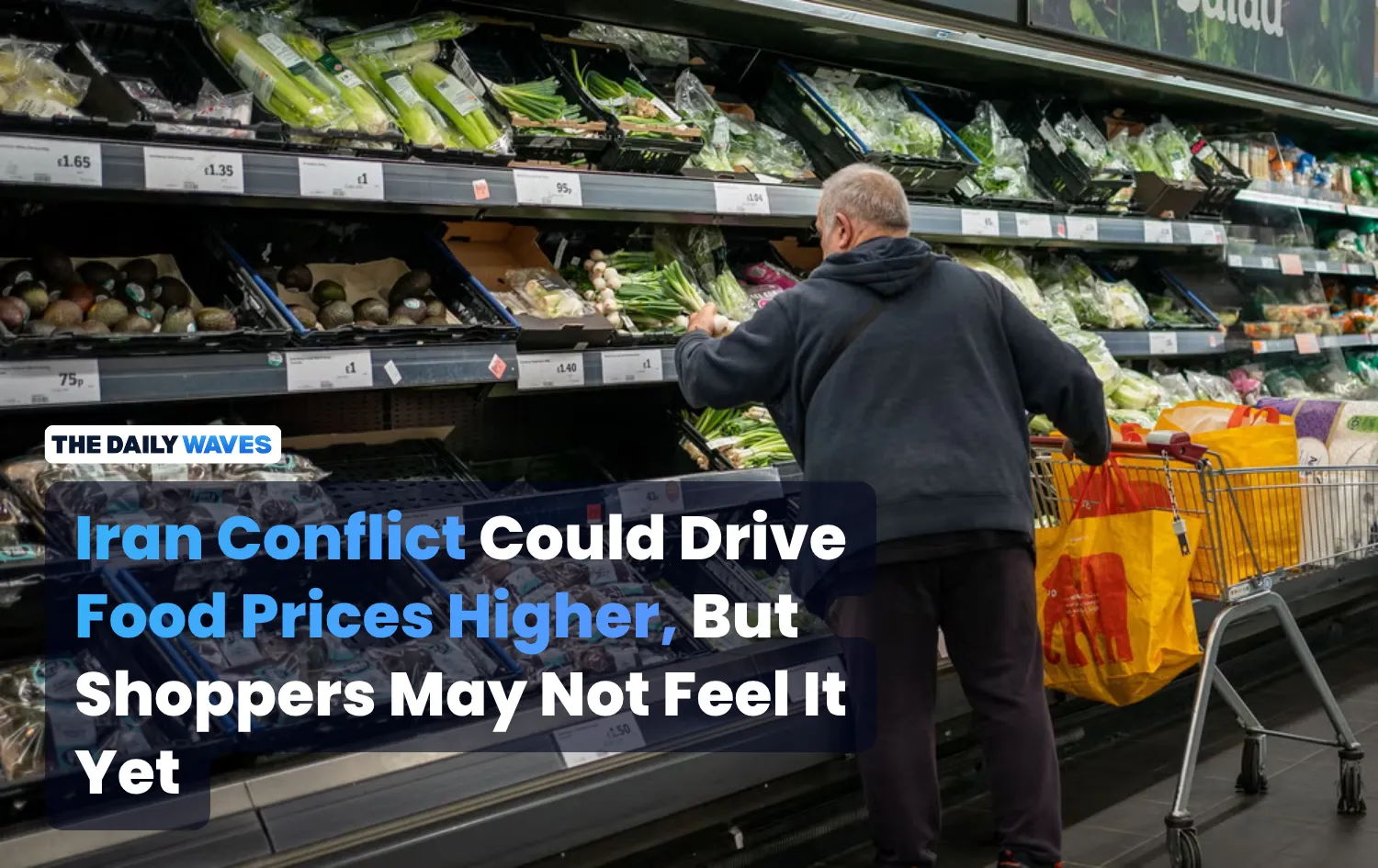
Rising tensions linked to the Iran conflict are shaking global energy and commodity markets. Yet shoppers scanning supermarket shelves may not see immediate price spikes. The reason lies in how costs move through the food supply chain.
At the center of the disruption is the Strait of Hormuz, a critical corridor for global trade. Roughly a quarter of the world’s seaborne oil and a significant share of fertilizer shipments pass through this narrow passage. Any blockage creates ripple effects across multiple industries, particularly agriculture.
Higher oil prices quickly translate into increased costs for fuel, transportation, and electricity. Farmers depend heavily on diesel for machinery, while refrigerated transport keeps perishable goods stable during transit. Packaging costs also climb, as petrochemicals play a central role in food production and distribution.
Despite these pressures, grocery bills tend to react slowly. Economists note that price shocks at the production level often take months—sometimes more than a year—to filter down to consumers. Current projections suggest food-at-home inflation could rise between 3% and 6% over the next 12 to 18 months if the conflict persists.
Some categories may feel the strain earlier than others. Dairy products stand out due to their reliance on constant refrigeration and transport, making them particularly sensitive to fuel costs. Even so, the full impact remains difficult to quantify in the short term.
Fertilizer presents another layer of complexity. While prices are climbing, many North American farmers had already secured supplies for the current planting season before the conflict escalated. That buffer delays the effect on crop production and, ultimately, retail food prices.
The more significant shift could emerge in the next planting cycle. If elevated fertilizer costs persist into 2027, farmers may adjust planting decisions or scale back usage, potentially tightening supply and pushing prices higher down the line.
Fuel costs, however, remain the most immediate variable to watch. Although some farmers locked in diesel prices earlier in the year, future purchases—especially heading into the next harvest season—could come at a premium, squeezing margins and influencing pricing decisions.
Economists emphasize that this is not a sudden shock but a gradual build. Unlike gasoline prices, which can shift within days, food inflation typically unfolds over longer periods due to contracts, inventory cycles, and production timelines.
In practical terms, that means households may avoid an immediate hit at checkout counters. Still, if current conditions persist, the cumulative effect is likely to show up in grocery bills over the next year.