

OpenAI Introduces Stronger Account Protection for ChatGPT Users

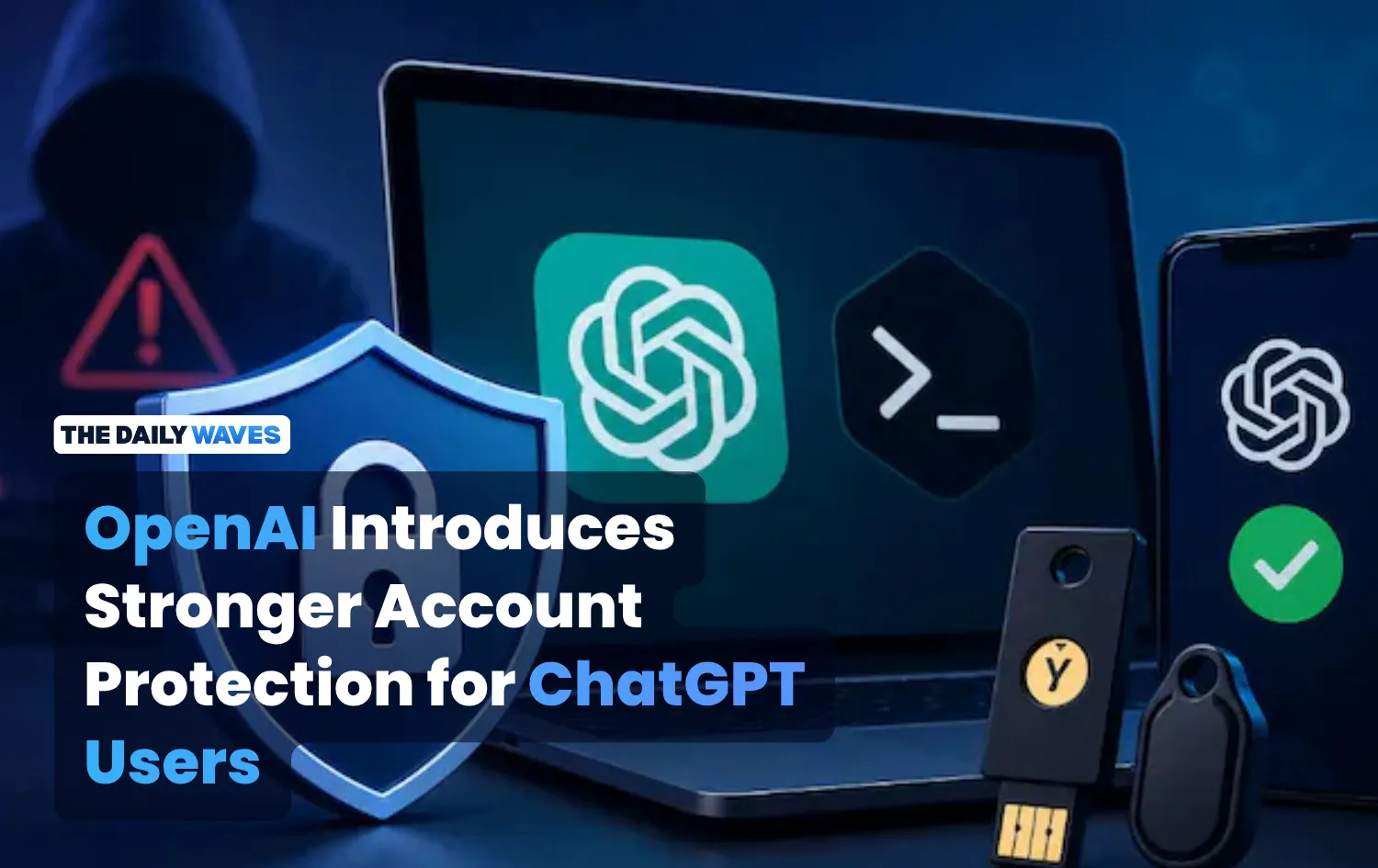
ChatGPT security is getting a serious upgrade as AI platforms face rising threats. OpenAI has introduced a new protection layer aimed at locking down sensitive accounts and reducing the risk of breaches.
The company’s new system, called Advanced Account Security (AAS), is an optional feature designed for users who need higher levels of protection. While it targets high-risk individuals such as journalists, researchers, and public officials, the tools are available to anyone looking to secure their account.
A key part of this rollout is a partnership with Yubico, a well-known name in hardware-based authentication. Together, the companies are introducing co-branded security keys that connect directly to ChatGPT accounts, adding an extra layer of defense against phishing attacks.
The two devices — the YubiKey C NFC and YubiKey C Nano — function as physical login tools. Instead of relying only on passwords, users must have the key in hand to access their account. Each device carries a unique cryptographic signature, making it extremely difficult for attackers to gain unauthorized entry.
This move comes as phishing attempts targeting chatbot users continue to grow. Conversations within AI platforms often include sensitive personal or business information, making them an attractive target for cybercriminals looking for exploitable data.
OpenAI says the goal is to significantly reduce unauthorized access across its platform. The timing also reflects a broader shift across the AI industry, where security is becoming a central priority. Competitors like Anthropic have also started investing heavily in cybersecurity-focused tools and models.
There is, however, a tradeoff. Hardware keys provide strong protection, but they also introduce risk if lost. Without the physical device, users may not be able to recover their accounts, potentially losing access to stored conversations permanently.
Even with that downside, the update signals a clear direction. As AI tools become more embedded in daily workflows, securing access is no longer optional — it’s essential.