

EU Cracks Down on Meta Over Weak Child Safety Controls on Instagram and Facebook

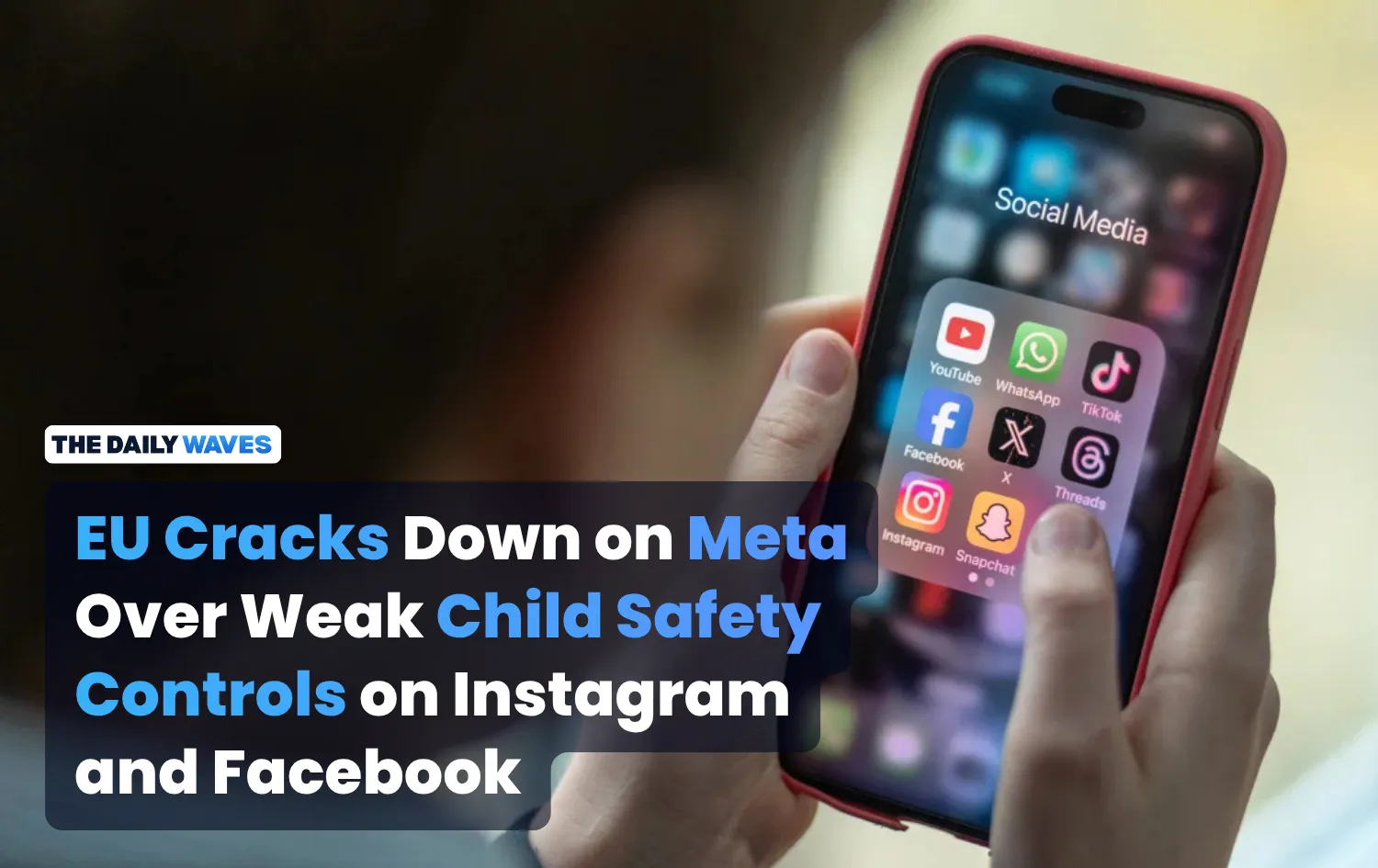
The pressure on Meta is rising in Europe, and this time it centers on child safety. Regulators believe the tech giant is falling short in blocking young children from accessing its platforms — a concern that could lead to significant financial penalties.
The European Commission has released early findings claiming that Instagram and Facebook are not meeting the standards required under the Digital Services Act. At the heart of the issue is Meta’s inability to properly prevent children under 13 from creating and using accounts, despite clear rules banning them.
Meta’s policy states that users must be at least 13 years old. In practice, enforcement appears weak. During account setup, users only need to enter a birth date. There are no meaningful verification steps, which makes it easy for younger users to bypass restrictions by entering false information.
Regulators also highlighted flaws in Meta’s reporting system. While users can flag accounts belonging to underage children, the process is cumbersome and inefficient. Accessing the reporting form can take multiple steps, and even after submission, action is inconsistent. In many cases, reported accounts remain active without further checks.
These gaps have led the Commission to conclude that Meta has not done enough to detect, assess, or reduce risks linked to underage users. Authorities are now pushing the company to strengthen its safeguards, focusing on prevention, detection, and removal of accounts belonging to children under 13.
Meta has already introduced updates aimed at younger audiences, including enhanced protections for teen accounts and stricter content filtering. However, regulators argue these changes miss the core problem — stopping underage users before they gain access in the first place.
If the findings are confirmed, Meta could face a substantial fine. Under EU law, penalties can reach up to 6% of a company’s global annual revenue. With Meta reporting around $200 billion in revenue during 2025, the financial impact could be significant.
This case signals a broader shift in how regulators are handling big tech platforms. Child safety is becoming a central battleground, and companies may soon need far stronger verification systems to remain compliant.