

Stock Market Delivers Best Month Since 2020 as Tech and Industrials Rally

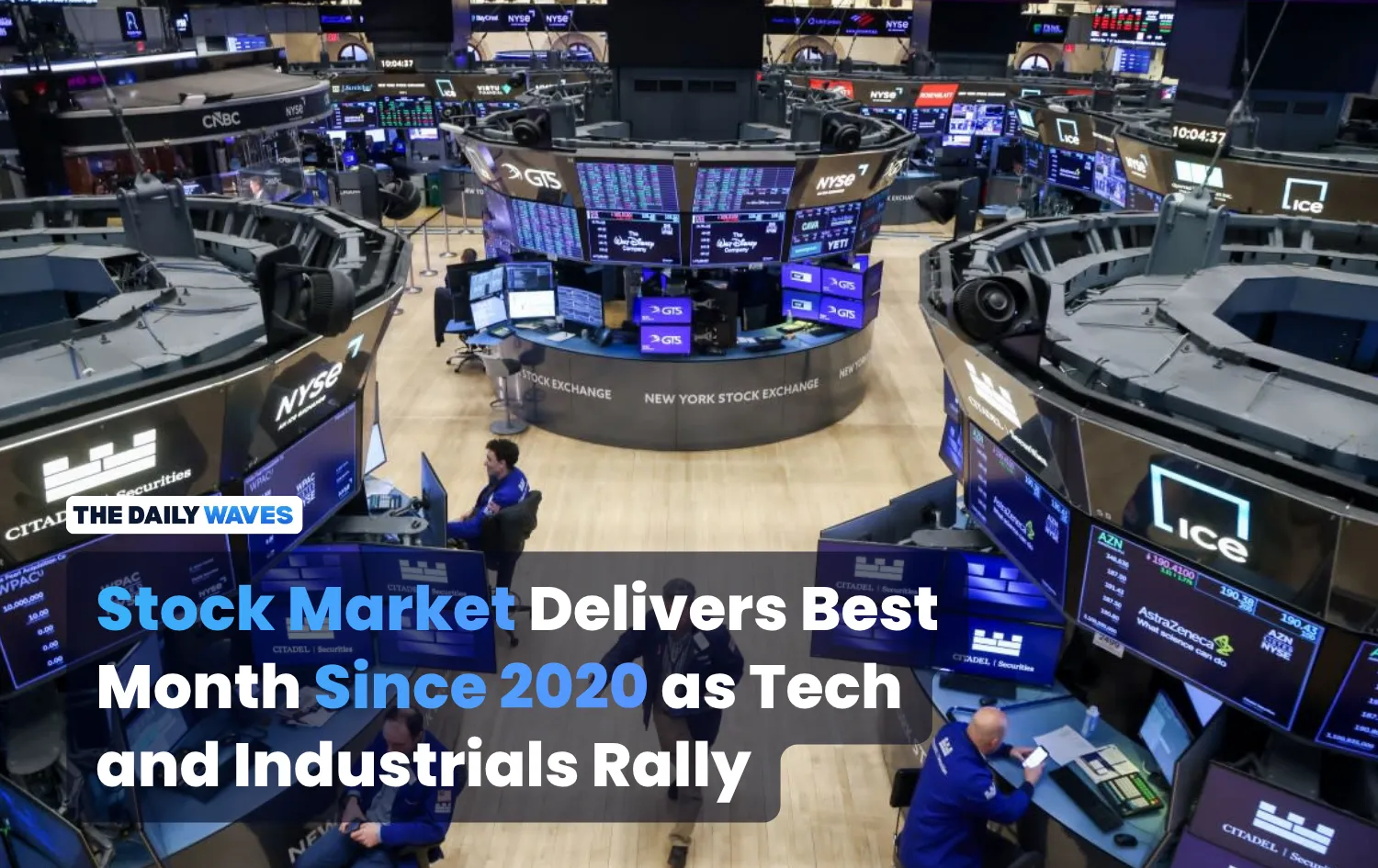
Wall Street wrapped up April with a powerful surge, brushing aside geopolitical tensions and volatile oil prices as major indices delivered their strongest performance in years.
The S&P 500 climbed to a record close above 7,200, capping a remarkable month that saw the index jump more than 10%. Gains extended across the board, with the Nasdaq Composite posting an even sharper rise, while the Dow Jones Industrial Average also recorded solid growth.
Driving much of the upside was a wave of strong corporate earnings. Alphabet delivered a standout performance, with its cloud division hitting record levels. CEO Sundar Pichai highlighted how artificial intelligence is accelerating growth across the business, reinforcing investor confidence in the sector. The stock surged sharply following the announcement.
Industrial heavyweight Caterpillar also impressed markets. Strong demand for construction and power equipment pushed earnings higher, prompting the company to lift its full-year outlook. Shares climbed to record territory, reflecting renewed optimism around infrastructure and industrial activity.
In healthcare, Eli Lilly gained ground after raising its earnings forecast. Continued demand for its obesity treatments remains a key growth driver, adding another pillar of strength across sectors.
Still, not every tech name joined the rally. Meta Platforms and Microsoft both came under pressure after signaling higher spending on artificial intelligence infrastructure. Investors are increasingly questioning how quickly these massive investments will translate into meaningful returns.
The debate around AI spending continues to dominate market thinking. Concerns remain about whether heavy capital outlays will eventually produce high-margin growth or force a reassessment of valuations across the tech sector.
What makes April’s rally particularly notable is that it unfolded alongside significant turmoil in global energy markets. Rising tensions involving Iran disrupted oil flows through the strategically critical Strait of Hormuz, sending crude prices sharply higher at times.
Despite these shocks, oil prices ultimately stabilized, easing some of the pressure on inflation expectations. Markets appeared to look past the immediate risks, focusing instead on earnings strength and economic resilience.
Economic data offered a mixed picture. Growth in the U.S. economy picked up compared to late 2025 but fell short of forecasts, while unemployment claims declined, pointing to continued labor market strength. Meanwhile, Treasury yields edged slightly lower, signaling a degree of caution beneath the surface.
The key takeaway for investors is clear: strong earnings and AI-driven optimism are currently outweighing geopolitical risks. Yet with oil tensions unresolved and questions lingering around tech spending, volatility could quickly return.
For now, the market’s momentum remains intact — but it is walking a fine line between confidence and caution.