

Microsoft Surface Laptop 8 Leak Hints at Powerful Intel Upgrade Ahead of Launch

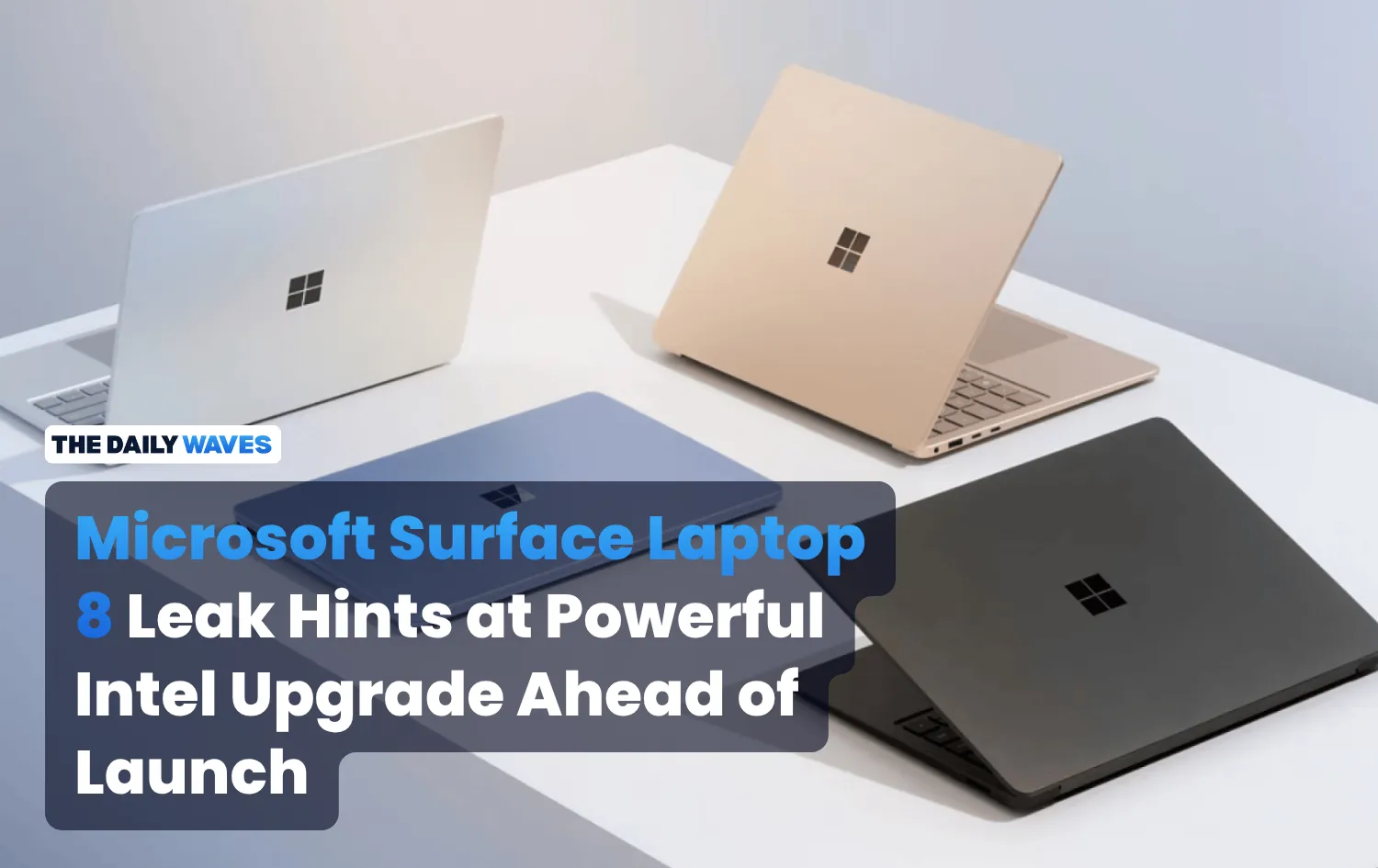
Microsoft’s next Surface Laptop may have just revealed itself ahead of schedule — and the early details point to a serious performance boost aimed at business users.
A yet-to-be-announced model surfaced briefly in benchmark listings, giving a rare look at what’s coming next. The device, identified as the 8th Edition of the Microsoft Surface Laptop, appeared in results tied to Geekbench 6 before being quickly taken down.
Even though the listing didn’t stay live for long, it exposed key hardware details that paint a clear picture of Microsoft’s direction.
At the core of the new laptop is an Intel Panther Lake processor, specifically a high-end Core Ultra X7 368H chip paired with Arc B390 graphics. The configuration also includes 32GB of RAM, positioning the device firmly in premium territory. Performance scores suggest it competes closely with other high-end Windows laptops and even holds its ground against Apple’s MacBook Air M5 in demanding multi-core workloads like video editing.
The leaked name — “Surface Laptop for Business 13.8in 8th Edition Intel” — signals a continued split in Microsoft’s strategy. Intel-powered models appear to remain focused on enterprise customers, while consumer versions may lean on ARM-based chips.
That approach isn’t new. The current generation launched with Qualcomm processors first, followed by Intel variants later. This time, reports suggest Microsoft could reverse that rollout, bringing Intel models to market earlier, with Snapdragon-based versions arriving later in the year.
The timing lines up with broader changes inside the company. Microsoft recently increased pricing across its Surface lineup, citing rising component and memory costs. A hardware refresh would help justify those higher price points while keeping the lineup competitive.
For now, Microsoft is staying quiet. The company has not officially confirmed any new Surface devices for 2026, and representatives declined to comment on the leak.
Still, benchmark appearances like this rarely happen by accident. If anything, they tend to signal that launch hardware is already deep in testing — and that an official reveal may not be far off.